
Medical note: This article is for education only and does not replace medical advice from your pediatrician. Read our Medical Disclaimer.
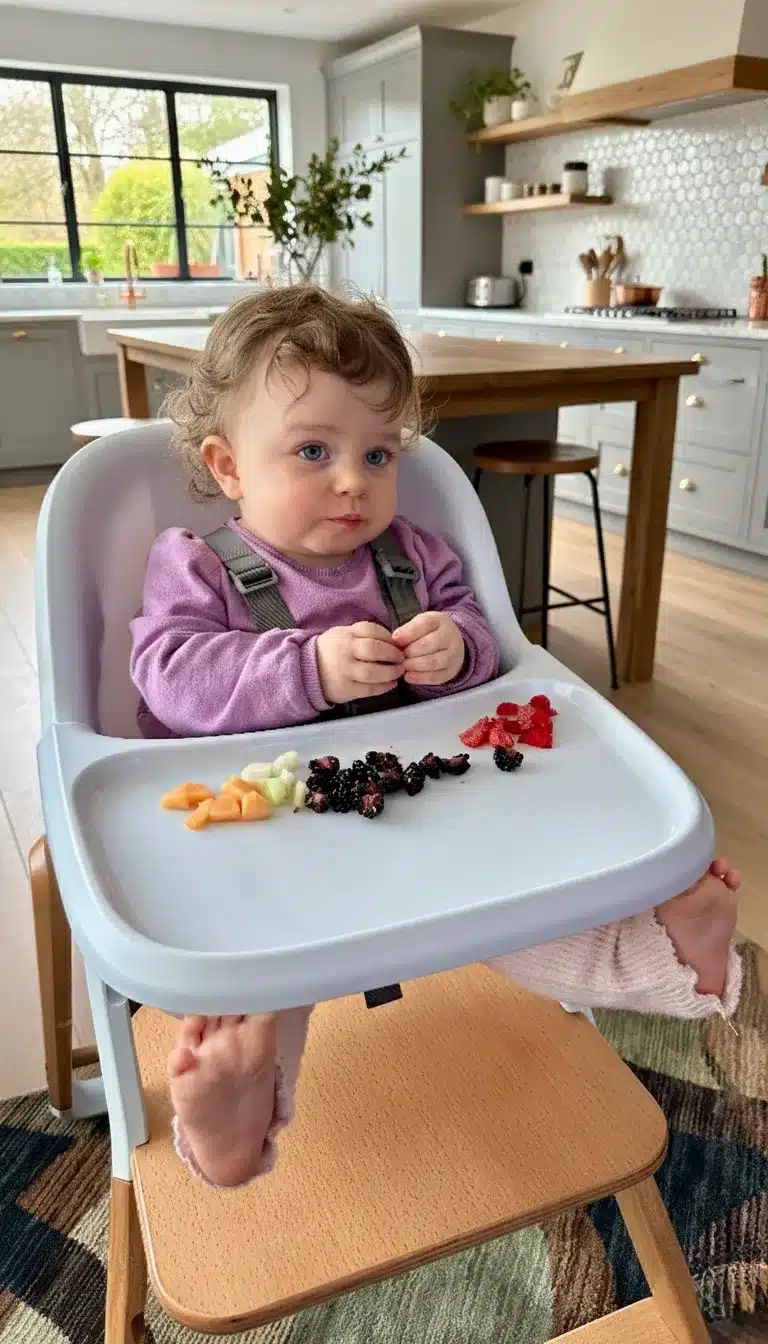
Your baby is sitting in the high chair, mouth open, waiting, and you are holding a spoon with no real idea if what is on it is actually good for them. Every parent hits this moment: shelves full of baby food jars, conflicting advice from every corner, and a real fear of getting it wrong during a stage that shapes so much of your child’s future health.
The healthy foods for babies you choose in these first two years do more than fill a tiny stomach, they build brain connections, immune strength, and eating habits that can last a lifetime. Understanding baby nutrition in the first two years does not have to feel overwhelming once you know exactly what your baby needs at each stage, and that is exactly what this guide is here to give you.
This comprehensive baby nutrition guide for the first two years will walk you through everything you need to know about feeding your infant and toddler from six months to two years old.
Disclosure: This post contains affiliate links. If you make a purchase through these links, we may earn a small commission at no additional cost to you. This helps us keep providing free, quality content for parents everywhere.
Written by Kelly, Childcare Specialist, and Peter, Researcher and Child Development Advocate.
Table of Contents
Why Baby Nutrition Matters So Much

The first two years of life represent a critical window for nutritional development. During this period, your baby’s brain grows faster than at any other time in their life, reaching approximately 80% of its adult size by age two. The healthy foods for babies you introduce now directly impact their cognitive development, immune system strength, and future food preferences.
According to pediatric nutrition experts, babies need a balanced combination of proteins, healthy fats, complex carbohydrates, vitamins, and minerals. Unlike adults, babies require higher fat content in their diet to support rapid brain development and growth. This is why breast milk or formula remains essential during the first year, even after introducing solids. When selecting healthy foods for babies, focus on nutrient density rather than quantity.
Curious how nutrition connects to the milestones you’re already tracking? ➡️ Baby Milestones: What to Expect in the First Year
The Importance of Iron-Rich First Foods for Infants

Iron deficiency is one of the most common nutritional concerns in infancy. Babies are born with iron stores that typically deplete around six months of age, making it essential to introduce the right first foods for infants starting solids at six months. Iron supports brain development, immune function, and helps prevent anemia.
Excellent iron sources include pureed meats, iron-fortified infant cereals, lentils, and beans. Many parents start with iron-fortified rice or oatmeal cereal mixed with breast milk or formula. As your baby becomes more comfortable with textures, you can introduce ground beef, chicken, or turkey.
Combining iron-rich foods with vitamin C sources, like pureed sweet potato or mashed butternut squash, enhances iron absorption. According to pediatric nutrition experts at the American Academy of Pediatrics, iron is one of the most critical nutrients during the first year of life. See the AAP’s full guidance on iron-rich nutrition ➡️here
Is Your Baby Really Ready for Solids?
Most pediatricians recommend introducing solid foods around six months of age, though some babies may show readiness signs slightly earlier or later. Signs of readiness include sitting up with minimal support, showing interest in food, and losing the tongue thrust reflex that automatically pushes food out of the mouth.
Introducing new textures always carries some choking risk, here’s how to recognize the warning signs early: ➡️ 7 Silent Choking in Babies Signs Every Parent Must Know
Understanding the progression of healthy foods for babies helps parents plan nutritious meals confidently. The following comprehensive guide breaks down exactly what to feed your baby at each stage of development.
Complete Timeline: Healthy Foods for Babies by Age
| Age Range | Food Texture | Best Healthy Foods for Babies | Portion Size | Frequency | Key Nutrients |
|---|---|---|---|---|---|
| 6 months | Smooth purees | Iron-fortified cereal, sweet potato, avocado, banana, pureed meats | 1 to 2 tablespoons | 1 to 2 times daily | Iron, healthy fats, vitamin C |
| 7 to 8 months | Thicker purees, mashed | Ground beef, chicken, lentils, beans, mashed fruits, cooked vegetables | 2 to 4 tablespoons | 2 to 3 times daily | Protein, iron, fiber, B vitamins |
| 9 to 11 months | Soft chunks, finger foods | Soft cooked veggies, pasta, shredded chicken, cheese cubes, soft fruits | 4 to 6 tablespoons | 3 times daily plus snacks | Calcium, protein, zinc, vitamin D |
| 12 to 18 months | Chopped family foods | Eggs, whole grain bread, yogurt, tofu, cooked fish, berries | 1/2 to 3/4 cup | 3 meals plus 2 snacks | Omega-3, calcium, protein, antioxidants |
| 18 to 24 months | Regular family meals | All family foods appropriately sized, balanced meals | 3/4 to 1 cup | 3 meals plus 2 to 3 snacks | Complete nutrition, variety of all food groups |
This comprehensive timeline shows how healthy foods for babies evolve from smooth purees to family meals. Remember that every baby develops at their own pace, so use this guide as a general reference while following your baby’s individual readiness cues. Always consult your pediatrician before introducing new foods, especially if your family has a history of food allergies.
Baby-Led Weaning vs. Traditional Purees
Baby-led weaning, where babies self-feed soft, appropriately sized pieces of whole food from the very start, has become one of the most talked-about approaches to healthy foods for babies, and many parents wonder whether to skip purees altogether. Research comparing the two approaches has found no meaningful difference in nutrient intake or growth outcomes between babies who start with purees and those who go straight to finger foods, so the choice comes down to what fits your family, not what’s nutritionally superior.
Purees give you more control over texture progression and let you track exactly how much your baby eats, which can offer reassurance in the early weeks. Baby-led weaning lets your baby set the pace and practice chewing and self-regulation from day one, though it can mean messier meals and, for some families, more anxiety about choking, even though research shows gagging, a normal, visible reflex, is far more common than true choking when foods are prepared in age-appropriate shapes and sizes.
Many families land somewhere in the middle: starting with a few spoon-fed purees while also offering soft finger foods like avocado spears or steamed sweet potato sticks alongside them. There is no requirement to pick one method and stick with it exclusively.
The First Month of Solids
Begin with single-ingredient purees, the gentlest first foods for infants starting solids, to identify any potential allergies or sensitivities. Popular first foods include sweet potato, avocado, banana, and iron-fortified cereal. Offer one new food every three to four days, watching for any allergic reactions such as rashes, vomiting, or diarrhea. This spacing matters because reactions do not always appear immediately, some show up hours later or even the next day, so waiting out the full window before introducing the next new food makes it much easier to identify exactly which one caused a reaction if something does come up.
Six to Nine Months: Expanding the Menu
This phase is crucial for introducing diverse healthy foods for babies. Once your baby has tried several single-ingredient foods, you can start combining flavors and building toward more nutritious baby meals for a picky eater. This is an excellent time to introduce:
Vegetables: Carrots, peas, green beans, butternut squash, and zucchini provide essential vitamins and fiber. Steam or roast vegetables until soft, then puree or mash based on your baby’s texture tolerance.
Fruits: Apples, pears, peaches, and berries offer natural sweetness and important nutrients. Always cook harder fruits like apples until soft to prevent choking hazards.
Proteins: Pureed chicken, turkey, beef, fish, beans, and lentils, some of the most reliable first foods for infants starting solids, supply crucial amino acids for growth. Start with smooth textures and gradually increase thickness as your baby’s chewing skills develop.
Grains: Oatmeal, quinoa, brown rice, and whole wheat pasta provide energy and B vitamins. These complex carbohydrates keep babies satisfied longer than simple sugars.
Nine to Twelve Months: Finger Foods and Self-Feeding
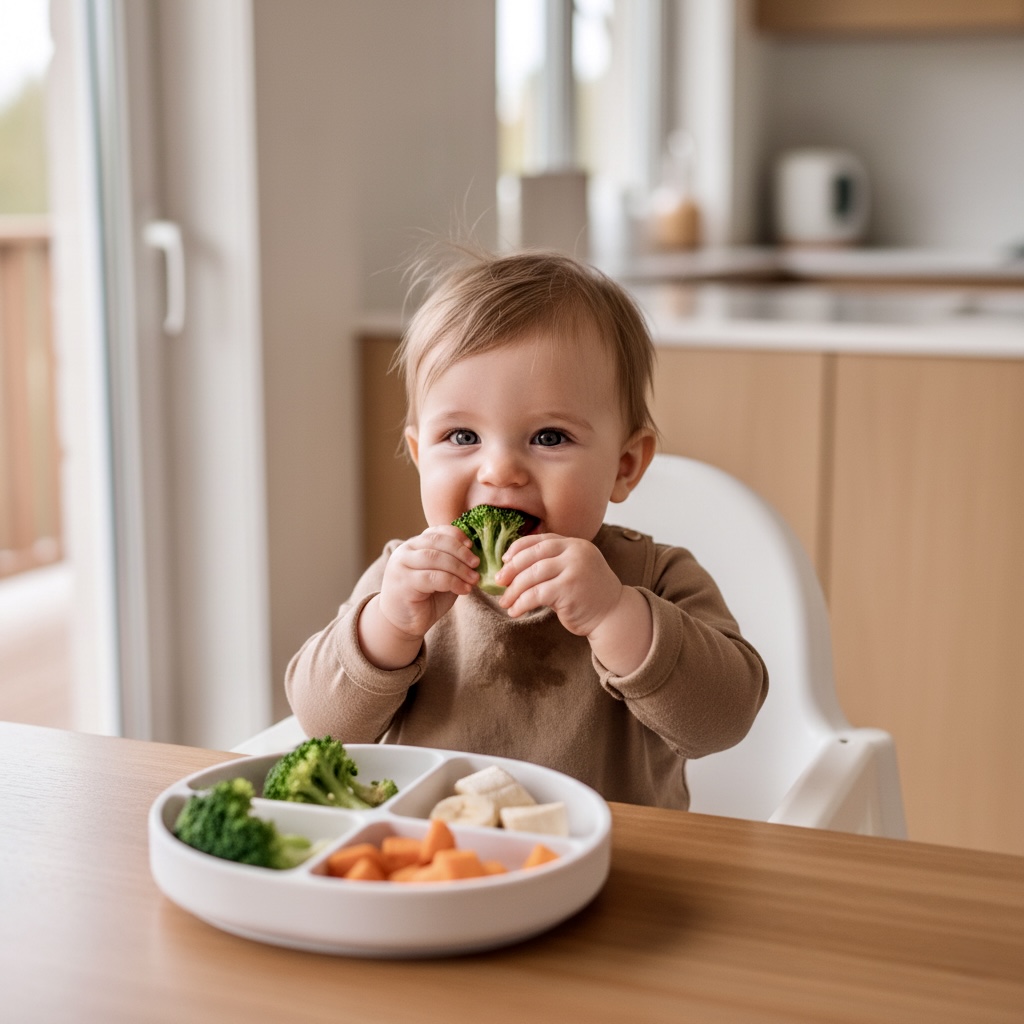
As your baby approaches their first birthday, a key moment in baby nutrition in the first two years, they will likely show interest in self-feeding. This developmental stage is perfect for introducing soft finger foods that encourage independence and fine motor skill development. Nutritious baby meals for a picky eater at this stage might include.
Small pieces of soft-cooked vegetables, shredded chicken, scrambled eggs, small pasta shapes, soft fruits cut into manageable pieces, and whole grain toast strips. Always supervise meals and ensure foods are appropriately sized and soft enough to prevent choking.
From Purees to the Family Table
Between one and two years old, toddlers can eat most foods the family enjoys, with some modifications for safety and nutrition. Toddler meal ideas for busy parents should focus on nutrient-dense options that support their continued rapid growth and high energy needs.
Building Balanced Toddler Meals
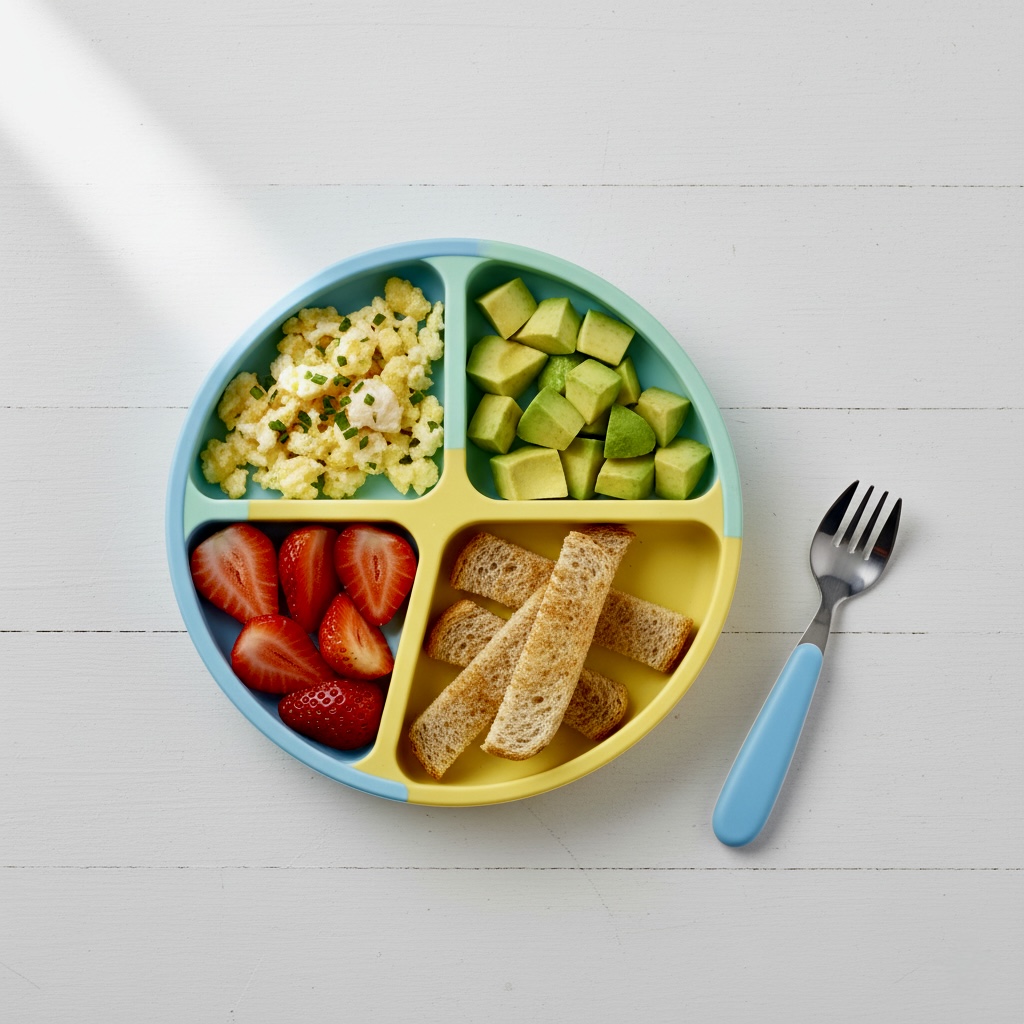
Every meal should include elements from multiple food groups. A balanced plate, one of the simplest toddler meal ideas for busy parents, might contain a protein source, a whole grain, a fruit or vegetable, and a healthy fat. Scrambled eggs with whole wheat toast, sliced strawberries, and a small amount of avocado, for example, checks every one of those boxes in under ten minutes.
Healthy Fats: Essential for Brain Development
Despite common misconceptions, toddlers need adequate healthy fats for proper brain and nervous system development. Excellent sources, and easy toddler meal ideas for busy parents, include avocados, nut butters (if no allergies), full-fat yogurt, cheese, olive oil, and fatty fish like salmon. Avoid low-fat dairy products for children under two unless specifically recommended by your pediatrician.
Calcium and Vitamin D for Strong Bones
Calcium and vitamin D work together to build strong bones and teeth, both key pillars of baby nutrition in the first two years. Dairy products like whole milk, yogurt, and cheese are excellent calcium sources. If your child has dairy allergies or intolerances, fortified plant-based milks, leafy greens, and calcium-set tofu can provide adequate calcium. Many pediatricians recommend vitamin D supplementation, especially in areas with limited sunlight exposure.
Everyday Foods That Are Actually Risky
While offering a variety of first foods for infants starting solids is important, certain foods pose risks for young children and should be avoided:
Honey should never be given to babies under 12 months due to botulism risk. Added sugars and sweeteners are unnecessary and can establish poor eating habits. Whole nuts and hard, raw vegetables present choking hazards. Cow’s milk as a primary beverage before 12 months can interfere with iron absorption. Highly processed foods with excessive sodium should be limited. Fruit juice offers little nutritional value and can cause tooth decay and excessive calorie intake.
Foods to Avoid: Safety Guidelines for Healthy Foods for Babies
| Food Item | Age to Avoid | Reason | Safe Alternative |
|---|---|---|---|
| Honey | Under 12 months | Risk of botulism | Mashed banana for sweetness |
| Whole nuts | Under 4 years | Choking hazard | Nut butters (if no allergies) |
| Popcorn | Under 4 years | Choking hazard | Soft puffed rice cereal |
| Raw carrots | Under 12 months | Choking hazard | Steamed, soft carrot pieces |
| Whole grapes | Under 4 years | Choking hazard | Quartered grapes |
| Cow’s milk as main drink | Under 12 months | Can interfere with iron absorption | Breast milk or formula |
| Added salt and sugar | Under 24 months | Unhealthy habit formation | Natural flavors from herbs and spices |
| Fruit juice | Under 12 months (limit after) | Tooth decay, empty calories | Whole fruits, water |
| Hot dogs, sausages | Under 4 years | Choking hazard, high sodium | Well-cooked, finely chopped meats |
| Hard candy | Under 4 years | Choking hazard, tooth decay | Soft fruit purees |
Knowing which foods to avoid is just as important as knowing which healthy foods for babies to offer. These restrictions are primarily about safety and establishing good nutritional habits. As your child grows and develops better chewing skills, many of these foods can be gradually introduced in safe forms.
When Feeding Gets Hard: What to Do
Picky Eating
Most toddlers go through phases of picky eating. This is a normal developmental stage related to growing independence. Continue offering healthy options without pressure, model good eating habits, and remember that repeated exposure often turns a rejected food into one of your toddler’s regular toddler meal ideas for busy parents. Research shows children may need to try a new food 10 to 15 times before accepting it.
As your toddler takes over more of their own meals, the right gear makes a real difference: ➡️ 15 Amazing Baby Essentials Every Parent Needs in 2025
Food Allergies and Intolerances
Current guidelines recommend introducing common allergens like peanuts, eggs, dairy, and fish between six and twelve months to potentially reduce allergy risk. However, if your family has a strong history of food allergies, an important factor in baby nutrition in the first two years, consult your pediatrician before introducing these foods. Watch for signs of allergic reactions including hives, swelling, vomiting, difficulty breathing, or severe diaper rash.
Constipation
Constipation is common in the early days of trying first foods for infants starting solids. Ensure your baby drinks adequate fluids and include fiber-rich foods like prunes, pears, whole grains, and vegetables as part of a steady baby nutrition routine for toddlers. If constipation persists, consult your healthcare provider.
Planning Meals Without Losing Your Evenings
Planning nutritious baby meals for a picky eater, a core part of baby nutrition in the first two years, doesn’t need to be complicated or time consuming. Here are practical strategies:
Batch cooking and freezing purees in ice cube trays saves time. Baby-led weaning allows babies to self-feed appropriately sized pieces of family foods. Offering the same foods in different preparations keeps meals interesting. Including your baby at family mealtimes encourages social eating habits. Keeping healthy snacks and other nutritious baby meals for a picky eater readily available prevents last-minute unhealthy choices.
A Sunday batch-cooking session of two or three proteins and a handful of steamed vegetables can cover an entire week of toddler meal ideas for busy parents without a single weeknight scramble. Freeze portions flat in labeled bags so they thaw quickly, and rotate what you serve alongside the base protein so the same lunch never feels repetitive. Ten minutes of prep on a slow afternoon buys back real time on the nights you have none to spare.
Does Your Baby Still Need Milk or Formula?
Even after introducing solids, breast milk or formula remains a significant nutrition source during the first year. Between six and twelve months, babies should consume approximately 24 to 32 ounces of breast milk or formula daily. After 12 months, whole cow’s milk can replace formula, though some parents continue breastfeeding alongside solid foods.
Many parents worry that starting solids means milk becomes optional, but the opposite is true during this window. Breast milk and formula still deliver the fat, calories, and antibodies your baby’s brain and immune system depend on, even as they explore new first foods for infants starting solids. Think of solids at this stage as practice and exposure, not replacement, with milk carrying most of the nutritional weight until closer to the first birthday.
The 7 Essential Healthy Foods for Babies (And Why Each One Matters)
Certain nutrient-dense foods provide exceptional benefits for your baby’s rapidly developing brain. Incorporating these healthy foods for babies into nutritious baby meals for a picky eater optimizes cognitive development during this critical growth period.
1. Omega-3 Rich Foods for Neural Development
Fatty fish like salmon, sardines, and mackerel contain DHA (docosahexaenoic acid), a crucial omega-3 fatty acid that makes up a large share of the brain’s structural fat. Research on infant nutrition consistently links adequate DHA intake with improved cognitive function, better visual acuity, and stronger problem-solving skills later in childhood.
For babies between 6 and 12 months, offer well-cooked, flaked fish 2 to 3 times weekly. Ensure all bones are removed and fish is thoroughly cooked to safe internal temperatures. If your family avoids fish, chia seeds, flaxseeds, and walnuts (ground or as butter) provide plant-based omega-3 alternatives, though they contain ALA rather than DHA.
2. Blueberries and Antioxidant-Rich Berries
Blueberries earn their superfood status through exceptionally high antioxidant content, particularly anthocyanins that protect developing brain cells from oxidative stress. Research on antioxidant-rich diets suggests that regular berry consumption during early childhood supports memory formation and learning capacity.
Introduce mashed or pureed berries around 8 to 10 months, watching for any allergic reactions. Fresh or frozen berries work equally well, making this brain-boosting food accessible year-round. Mix berries into yogurt, oatmeal, or serve as finger food once your baby can handle small, soft pieces.
3. Eggs: Complete Nutrition for Growing Brains
Eggs provide choline, a nutrient essential for memory development and brain cell communication. The yolk contains most of the choline, along with vitamins A, D, E, and B12. One egg daily provides significant nutritional benefits for babies over 6 months.
Prepare eggs thoroughly cooked (scrambled, hard-boiled, or as an omelet) to eliminate salmonella risk. Eggs’ versatility makes them ideal for incorporating into various nutritious baby meals for a picky eater. Many babies who initially reject plain scrambled eggs accept them mixed with vegetables or cheese.
4. Iron-Fortified Baby Cereal: The First Iron Boost
Iron-fortified baby cereal is often the very first food doctors recommend once your baby is ready for first foods for infants around six months. It replaces the iron stores babies are born with, which begin running low right around this age, and mixing it with breast milk or formula keeps the texture familiar while introducing something new. Oatmeal and multigrain versions offer more fiber than plain rice cereal, and stirring in a spoonful of pureed fruit can help a hesitant eater accept it.
5. Avocado: The Easiest First Food
Avocado is one of the easiest first foods for infants starting solids to try, since it needs no cooking and mashes to a smooth, safe texture straight from the peel. Its healthy fat content supports the rapid brain growth happening in these early months, something leaner purees cannot offer on their own. Serve it plain, mixed into cereal, or later as a thicker chunk once your baby is ready for finger foods.
6. Sweet Potato: A Natural Favorite
Sweet potato is a favorite starter food for good reason, it is naturally sweet, easy to digest, and rich in vitamin A for eye and immune development. Steaming and mashing it yourself takes only a few minutes and lets you control the texture as your baby grows more confident with chewing.
7. Beans and Lentils: Plant-Based Protein
Beans and lentils are an affordable, plant-based way to add iron, fiber, and protein to your baby’s plate, and they mash easily into the soft textures younger babies need. Rinse canned varieties well to cut down on added sodium, or cook dried beans in batches to freeze for later.
How Much Water Does Your Baby Need?
Water can be introduced alongside healthy foods for babies when starting solids, though milk remains the primary fluid source during the first year. Offer small amounts of water with meals, especially during hot weather or if your baby seems thirsty. After 12 months, toddlers should drink 16 to 24 ounces of whole milk and additional water throughout the day. Limit milk intake to prevent it from replacing nutrient-rich solid foods.
Overhydration is a real, if lesser known, risk before 6 months: too much water can dilute a baby’s sodium levels and interfere with nutrient absorption from milk. Once solids are established, a few sips from an open cup at mealtimes is enough, there is no need to hit a strict daily number. Let thirst, not the clock, guide how much you offer.
Turning Mealtime Battles Into Wins
Establishing healthy eating habits extends beyond just offering nutritious baby meals every single day. The mealtime environment surrounding healthy foods for babies significantly impacts your child’s relationship with food. Eat meals together as a family whenever possible. Minimize distractions like television or tablets during meals. Allow your child to determine how much they eat based on hunger cues. Avoid using food as reward or punishment. Make mealtimes pleasant and pressure-free experiences.
None of this needs to be perfect. Some nights the plate comes back untouched, and that is not a failure on your part, it is a normal, temporary phase almost every toddler passes through. What sticks with your child long after the food itself is forgotten is the feeling that the table was a calm, safe place to be.
Conclusion
The healthy foods for babies and toddlers you introduce during baby nutrition in the first two years establish foundations for lifelong habits. Focus on offering a variety of whole, minimally processed foods from all food groups. Remember that every child develops at their own pace, and what works for one baby may not work for another.
Be patient with the process of offering healthy foods for babies, trust your baby’s hunger and fullness cues, and don’t stress about occasional rejected meals. By providing consistent access to nutritious options in a positive environment, you are giving your child the best possible start for a healthy relationship with food.
Looking for comprehensive guidance on caring for your baby? Our book ‘How to Care for Children: From Birth to Age 2’ combines professional childcare expertise with evidence-based child development research. Written by Kelly and Peter, this guide provides clear, reliable advice rooted in real-world childcare. Available in English, Spanish, and Portuguese on Amazon.
Click the link below your preferred language to get your copy!



1. What are the best healthy foods for babies?
Incorporate a variety of fruits, vegetables, whole grains, lean proteins, and dairy into your baby’s diet. Foods such as pureed sweet potatoes, avocados, oatmeal, mashed bananas, and yogurt are excellent options that provide essential nutrients for growth and development. Rotating through several of these first foods for infants starting solids each week, rather than relying on the same two or three, gives your baby a wider range of vitamins and helps build acceptance of new flavors early on.
2. How can I ensure my baby is receiving balanced nutrition?
Aim to include a mix of healthy foods for babies from all food groups to create balanced meals. Gradually introduce new flavors and textures to help your baby adapt and enjoy a range of healthy foods. It’s important to remain attentive to their preferences and nutritional needs. If you are ever unsure whether a week of meals is balanced, a quick check with your pediatrician or a registered dietitian can offer real peace of mind.
3. Are there any foods to avoid in my baby’s diet?
Avoid foods that pose choking hazards, such as whole grapes, nuts, popcorn, and hot dogs. Also skip added sugars, honey, and salt before 12 months, since these offer no nutritional benefit and can be harmful. Always check with your pediatrician for guidance specific to your baby.
4. When should I start giving healthy food for babies?
Most pediatricians recommend starting solid foods around 6 months of age, when your baby shows signs of readiness such as sitting up independently, showing interest in food, and losing the tongue thrust reflex. Starting earlier than 4 months is generally discouraged, since a baby’s digestive system and swallowing reflexes are usually not ready before then.
5. How much healthy food for babies should I offer at each meal?
Start with 1 to 2 tablespoons per meal and gradually increase based on your baby’s appetite. By 12 months, most babies eat about 3 to 4 tablespoons per meal, three times daily, plus snacks. Let your baby’s appetite lead the portion, a baby who turns away or closes their mouth is signaling they are full, not being picky.
6. Is it okay to repeat the same meals every day?
While repetition helps with acceptance, variety is what turns everyday meals into genuinely nutritious baby meals for a picky eater. Rotate between different proteins, vegetables, fruits, and grains throughout the week to ensure diverse nutrient intake. A simple weekly rotation of two or three proteins and four or five vegetables is usually enough to avoid both boredom and nutrient gaps.
7. What are the best first healthy foods for babies?
Iron-fortified cereals, pureed sweet potato, avocado, banana, and pureed meats are excellent first foods. These provide essential nutrients like iron, healthy fats, and vitamins needed for development. Introducing one new food at a time, a few days apart, also makes it far easier to spot an allergic reaction if one occurs.
8. How do I know if my baby is eating enough overall?
Monitor your baby’s growth during pediatric checkups, watch for adequate wet diapers (6 to 8 per day), and observe their energy levels. Babies naturally regulate their intake, so trust their hunger cues. A baby who is alert, gaining weight steadily, and hitting developmental milestones is almost always getting what they need, even on days when they eat less than usual.
