
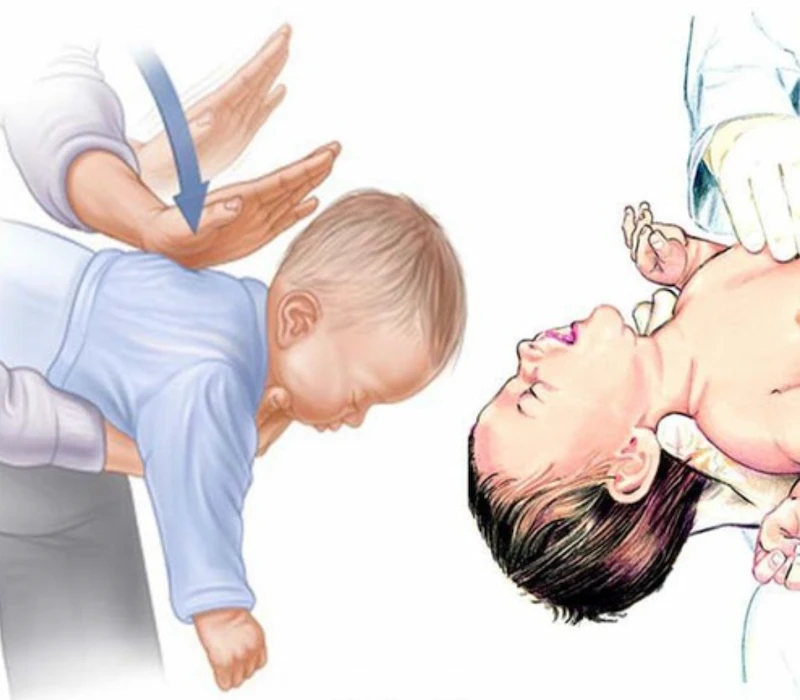
Silent choking in babies presents a unique emergency situation that catches many parents completely off-guard. This comprehensive guide will equip you with the essential knowledge to identify, respond to, and prevent these life-threatening situations that affect thousands of infants each year.
When it comes to silent choking in babies, every second counts, and recognizing the warning signs can mean the difference between life and death. Unlike the dramatic choking scenes we see in movies, silent choking in infants is a terrifying reality that occurs without the telltale coughing or crying sounds parents expect to hear.
Disclosure: This post contains affiliate links. If you make a purchase through these links, we may earn a small commission at no additional cost to you. This helps us keep providing free, quality content for parents everywhere.
Written by Kelly, Childcare Specialist, and Peter, Researcher and Child Development Advocate.
Table of Contents
Age-Specific Choking Risks and Prevention
Newborns to 6 Months
During this stage, babies are not yet eating solid foods, but silent choking risks still exist. Small objects left within reach during tummy time are among the most common hazards, along with loose bedding, stuffed animals in sleep areas, and pacifier parts that become detached. Older siblings can unknowingly introduce danger by dropping small toys near the baby, and even small clothing accessories like buttons can become a serious threat if they come loose.
The best prevention at this age is environmental control. Keep the baby’s space completely clear of small objects, inspect pacifiers and bottle nipples regularly for signs of wear, and never leave a newborn unattended with older children who may not understand the risk.
6 to 12 Months
This is when infant airway obstruction risks increase dramatically. As babies begin exploring solid foods and gain mobility, the combination of curiosity and underdeveloped chewing skills creates serious hazards. Chunks of meat or cheese must always be cut into tiny, soft pieces. Whole berries should be quartered, grapes halved at minimum. Crackers and cookies that break into large, hard pieces pose a real risk, as do sticky foods like peanut butter unless spread in a very thin layer. Raw vegetables are not appropriate at this age under any form.
If you are practicing baby-led weaning, the rule is simple: if you cannot squish the food easily between two fingers, it is not safe for your baby. Offer stick shapes that baby can grasp but that are too large to fully fit in the mouth, reducing the risk of accidental swallowing before the food is ready.
12 to 24 Months
Toddlers face a different set of choking risks driven by their growing independence and desire to feed themselves. Running or playing while eating is one of the most common causes of choking at this age, because movement diverts attention from chewing. Lying down during meals or eating in a car seat while traveling removes the postural control babies need to swallow safely. Accessing older siblings’ snacks is another frequent hazard, because foods that are perfectly safe for a five-year-old can be dangerous for a toddler with a much smaller airway.
The most effective prevention at this stage is firm, consistent mealtime rules: sitting down only, no talking with a full mouth, small bites, and always supervised by an adult. These habits take time to establish but become second nature with repetition.
Prevention focus: Establish strict mealtime rules: sitting down only, no talking with mouth full, taking small bites, and always supervised by an adult.
The American Academy of Pediatrics offers detailed guidance on overall baby safety, including sleep environments and choking prevention: AAP Safe Sleep Guidelines: Discussing Overall Baby Safety
What Is Silent Choking in Babies?
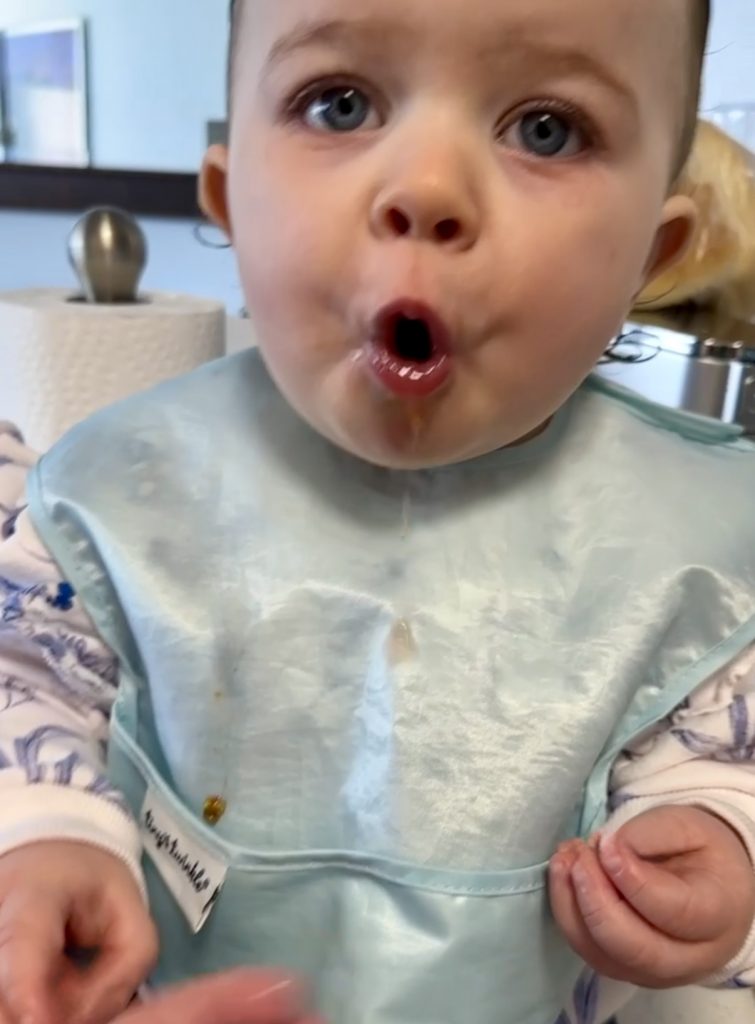
Silent choking babies experience complete airway obstruction, preventing them from making any sound whatsoever. Unlike partial choking where babies might cough, cry, or make noise, silent choking creates a medical emergency where the infant cannot breathe, speak, or cry for help.
This infant airway obstruction occurs when food, toys, or other objects completely block the baby’s trachea (windpipe). The silence is what makes this condition so dangerous parents may not immediately realize their child is in distress because there are no obvious audible warning signs.
The Science Behind Silent Choking
When baby choking signs involve complete obstruction, the vocal cords cannot vibrate to produce sound. The baby’s natural reflexes to cough or cry are rendered ineffective, creating a silent emergency that requires immediate intervention.
7 Critical Silent Choking Babies Warning Signs
Silent choking in babies does not announce itself. There is no cough, no cry,
no obvious signal that something is wrong. What you will see instead are
physical signs that appear within seconds and demand an immediate response.
Knowing these seven warning signs before an emergency happens is the single
most important thing a parent or caregiver can do.
How to Identify Silent Choking in Babies
1. The Universal Choking Sign
Babies old enough may instinctively grab their throat with both hands. This baby safety emergency signal is often the first visible indication that something is seriously wrong.
2. Inability to Cry or Make Sounds
A baby who was recently making noise but suddenly becomes silent while eating or playing may be experiencing silent choking babies symptoms. The absence of crying during apparent distress is a major red flag.
3. Blue or Purple Skin Color (Cyanosis)
Watch for cyanosis around the lips, face, and fingernails. This infant airway obstruction symptom indicates oxygen deprivation and requires immediate action.
4. Panicked Facial Expression
The baby’s eyes may appear wide and frightened, with a look of panic or terror. This expression often accompanies baby choking signs and indicates the infant’s awareness of their inability to breathe.
5. Weak or Absent Cough
While typical choking involves forceful coughing, silent choking babies may produce only weak coughing sounds or no cough at all, despite obvious signs of distress.
6. Loss of Consciousness
If the baby safety emergency continues without intervention, the infant may become unconscious due to lack of oxygen. This is a critical stage requiring immediate professional medical assistance.
7. Difficulty Swallowing or Drooling
Excessive drooling or apparent difficulty swallowing, especially during mealtime, can indicate infant airway obstruction and potential choking risks.
Tip: Babies under 1 year are especially at risk because they explore with their mouths and have small airways.
Immediate Response to Silent Choking Babies
The American Red Cross offers infant CPR and choking relief courses both in-person and online. Taking this course before your baby starts solid foods is one of the most practical steps you can take as a parent: American Red Cross Infant CPR Course
What to Do? First Aid for Silent Choking in Babies
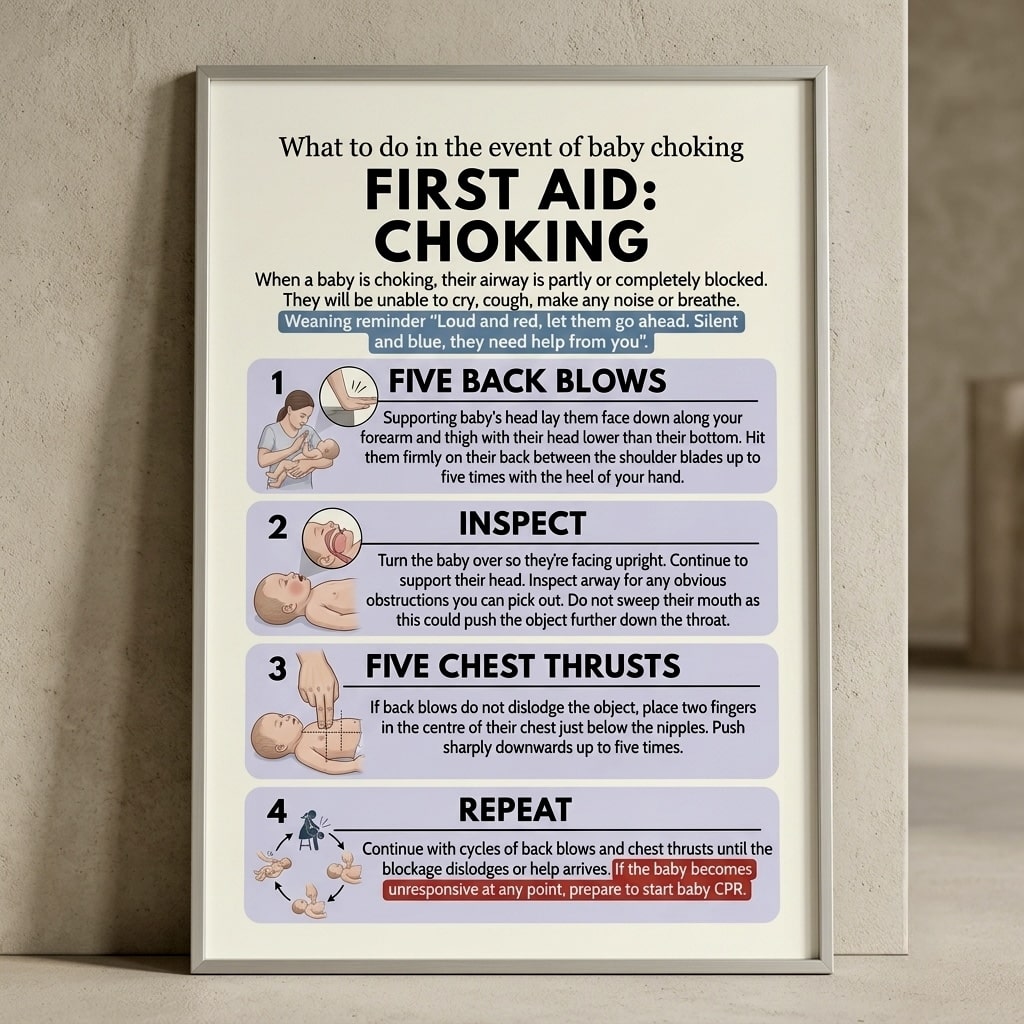
For Infants Under 12 Months
Step 1: Assess the Situation Quickly determine if the baby is experiencing silent choking babies symptoms by checking for the warning signs listed above.
Step 2: Position the Baby Place the infant face-down along your forearm, supporting their head and neck. Ensure the baby’s head is lower than their chest to utilize gravity.
Step 3: Deliver Back Blows Using the heel of your hand, deliver five sharp blows between the baby’s shoulder blades. These back blows help dislodge the obstruction causing baby choking signs.
Step 4: Check the Mouth Look inside the baby’s mouth for visible objects. If you can see something, try to remove it with your finger. Never perform blind finger sweeps, as this can push the obstruction deeper.
Step 5: Chest Thrusts If back blows don’t work, turn the baby face up and perform five chest thrusts using two fingers placed just below the nipple line.
When to Call Emergency Services
Call 911 immediately if the baby loses consciousness at any point during the incident. If silent choking symptoms persist after your first attempts at back blows and chest thrusts, do not stop to reassess, call for help while continuing the procedure. If you cannot dislodge the obstruction within 30 seconds, or if the infant shows any signs of severe airway obstruction such as no air movement, complete limpness, or turning blue, emergency services must be called without delay. Every second without oxygen increases the risk of permanent injury.
Prevention Strategies for Baby Safety Emergency
Age-Appropriate Food Guidelines
Not all foods carry the same risk, and understanding which ones pose the greatest danger helps you make safer choices at every meal. The foods below are responsible for the majority of choking incidents in babies and toddlers under three years old. Avoiding them entirely or preparing them safely dramatically reduces the risk of infant airway obstruction.
High Risk Foods to Avoid:
- Whole grapes (cut into quarters)
- Nuts and seeds
- Hard candies
- Popcorn
- Raw vegetables (carrots, celery)
- Hot dogs (cut lengthwise and into small pieces)
Creating a Safe Environment
Choking hazards are not limited to mealtimes. Many of the objects that end up in a baby’s mouth come from the floor, from older siblings’ toys, or from household items that adults handle every day without thinking twice. A few consistent habits at home can eliminate most of these risks before they become emergencies.
Baby Proofing for Choking Prevention:
Start by removing any small objects from areas where your baby plays or crawls. This includes coins, batteries, small toy parts, and anything that fits inside a toilet paper roll, which is the standard size reference used by pediatricians for choking hazards. Inspect all toys regularly for loose parts, torn seams, or broken pieces, and discard anything that has deteriorated. Keep older children’s toys stored separately and out of reach. Clean floors consistently, because a single missed button or coin can end up in a baby’s mouth within seconds.
Common Mistakes Parents Make
Mistake 1: Assuming All Baby Food Is Safe
Many foods marketed for babies still pose choking prevention babies risks. Even puréed foods can be dangerous if baby takes too large a mouthful or isn’t sitting upright properly.
Solution: Always test food texture yourself. If it doesn’t easily dissolve or can’t be mashed against the roof of your mouth, it’s not appropriate for your baby’s developmental stage.
Mistake 2: Not Knowing CPR
Many parents delay learning infant CPR, thinking they’ll take the class eventually. In a baby safety emergency, every second counts, and there’s no time to Google instructions.
Solution: Take an infant CPR certification course before your baby starts solid foods. Refresh this training annually as recommendations can change.
Mistake 3: Relaxing Supervision Around Experienced Eaters
Parents often become less vigilant once babies seem comfortable with eating, but choking can happen to any child at any meal.
Solution: Maintain the same level of supervision regardless of your baby’s eating experience. Never leave room during mealtime, even just for a second.
Mistake 4: Giving Food to Keep Baby Quiet
Using snacks to occupy babies during car rides, shopping, or other activities when you can’t provide full attention creates significant infant airway obstruction risks.
Solution: Only offer food when you can provide complete supervision. Plan activities around meal and snack times rather than using food as a convenience tool.
Mistake 5: Following Older Parenting Advice
Grandparents and older relatives may suggest foods or practices that were common decades ago but are now known to be dangerous.
Solution: Politely educate family members on current safety guidelines. Provide them with written information on safe foods and choking prevention babies strategies.
After a Choking Incident: What Comes Next
Immediate Medical Evaluation
Even if you successfully dislodge an obstruction and your baby appears completely fine, medical evaluation is not optional. Silent choking in babies can leave behind minor airway injuries that are not immediately visible, including small tears in the tracheal lining or inflammation that develops over the following hours.
Partial obstructions sometimes remain after the main object is cleared, and these can cause breathing difficulties later. Any unusual lethargy, refusal to feed, or persistent crying after an episode are babies warning signs that should be assessed by a medical professional as soon as possible.
Go to the emergency room without waiting if your baby lost consciousness at any point, if you are unsure whether the obstruction was fully cleared, or if your baby has any difficulty breathing after the incident. Extreme lethargy or any signs of respiratory distress in the hours following the incident are also babies warning signs that warrant immediate attention. When in doubt, go. A false alarm is always better than a missed complication
When to seek immediate emergency care:
- Baby lost consciousness during incident
- You’re unsure if obstruction was completely cleared
- Baby has difficulty breathing after incident
- Unusual behavior or lethargy following choking
- Any signs of respiratory distress
Psychological Recovery for Parents
The most practical steps are usually the simplest: talking about the experience with someone you trust, refreshing your first aid training so you feel more prepared, and allowing yourself time to process what happened.
Learning to recognize babies warning signs before another emergency happens is one of the most empowering things a parent can do after a choking scare. Seeking short-term counseling is a reasonable and healthy choice if anxiety around mealtimes persists beyond the first few weeks.

Even if the object is expelled, take your baby to the doctor to check for airway injury or lingering blockages.
Healthy coping strategies:
- Talk about the experience with supportive friends or family
- Consider short-term counseling if anxiety persists
- Join parent support groups to process feelings
- Review what you did right to boost confidence
- Update your emergency preparedness to feel more in control
Rebuilding Confidence in Feeding
After a choking scare, many parents instinctively revert to offering only smooth purées, which feels safer but can delay the development of chewing and swallowing skills babies need as they grow. Staying informed about choking prevention babies guidelines helps rebuild that confidence gradually. Start with textures you feel most comfortable offering and keep portions small. Make sure your baby is upright, calm, and alert during meals. Pay attention to your own anxiety, because babies are sensitive to caregiver stress and may become tense at the table if they sense it.
Gradual reintroduction:
- Start with foods you feel most comfortable offering
- Keep portions very small initially
- Ensure baby is in optimal position (upright, calm, alert)
- Watch for your own anxiety cues that might stress baby
- Celebrate successful meals without incident
Teaching Older Babies About Safety
As babies approach toddlerhood, simple safety concepts can be introduced in a way they can understand. Start with one clear rule: food stays at the table. Model careful chewing yourself, because toddlers learn through imitation far more than instruction. Encourage small bites consistently and praise the behavior when you see it. Recognizing babies warning signs early and teaching age-appropriate safety habits at home are two of the most effective choking prevention babies strategies available to any parent.
Proper Feeding Techniques
How a baby is positioned, how food is prepared, and how closely meals are supervised all play a direct role in choking prevention. These practices are not complicated, but they need to be consistent. A single lapse in supervision during mealtime is enough for a choking incident to occur, even with foods that are normally safe.
Safe Feeding Practices:
Always supervise mealtime without exception, even when your baby seems like a confident eater. Ensuring babies sit fully upright while eating is one of the most effective choking prevention babies measures, because posture directly affects how safely food moves through the airway. Introduce new foods one at a time and in small quantities so you can observe how your baby handles each texture. Cut all foods into pieces no larger than half an inch, and for round foods like grapes or cherry tomatoes, always cut lengthwise rather than across.
For a broader look at keeping your home safe for babies and toddlers, including room-by-room childproofing strategies, see our complete guide: Toddler Safety: Essential Tips to Keep Your Child Safe and Secure
If you suspect silent choking in a baby:
- Stay calm but act immediately.
- Call emergency services
- For babies under 1 year:
- Place baby face down on your forearm, supporting head and neck.
- Deliver 5 firm back blows between the shoulder blades.
- Turn the baby face up and perform 5 chest thrusts using two fingers in the center of the chest.
- Repeat until the object is expelled or help arrives.
🚨 Never perform the Heimlich maneuver on babies under 1 year old. 🚨
Take a look these articles: ➡️ National Safety Council Choking Prevention
Conclusion
Understanding silent choking in babies and learning how to react can make the difference between life and death. Unlike typical choking, where coughing and crying signal distress, silent choking in babies gives you no warning sounds, only the physical signs covered in this guide: the hands at the throat, the sudden silence, the change in color, the panicked expression. Recognizing these seven signs the moment they appear, without hesitating to second-guess yourself, is what allows you to act within seconds rather than minutes.
Prevention remains your strongest tool against infant airway obstruction. Cutting foods properly, supervising every meal without exception, and keeping small objects out of reach are the foundation of real choking prevention babies can rely on before an incident ever happens. But preparation matters just as much: taking an infant CPR course before your baby starts solid foods means that if a baby safety emergency ever comes, your hands already know what to do, even if your mind goes blank with fear.
You do not need to feel afraid every time you feed your baby. You need to feel prepared. That preparation, combined with the vigilance you already bring to caring for your child, is what keeps mealtimes safe.
Looking for comprehensive guidance on caring for your baby? Our book ‘How to Care for Children: From Birth to Age 2’ combines professional childcare expertise with evidence based child development research. Written by Kelly and Peter, this guide provides clear, reliable advice rooted in real world childcare. Available in English, Spanish, and Portuguese on Amazon.
Click the link below your preferred language to get your copy!



1. What is the difference between regular choking and silent choking in babies?
Regular choking involves partial airway obstruction where babies can still cough, cry, or make sounds as they try to clear the blockage. Silent choking occurs when the airway is completely blocked, preventing any sound production. The baby cannot cough, cry, or breathe, making it a true medical emergency requiring immediate intervention. Silent choking is more dangerous because parents may not immediately realize their baby is in distress due to the absence of audible warning signs.
2. What are the most common causes of silent choking in babies?
The most common causes include: whole grapes or cherry tomatoes, chunks of meat or cheese, hard candies, nuts and seeds, popcorn, raw vegetables like carrots, hot dogs cut into rounds, and large pieces of soft foods like bananas. Non-food items like small toy parts, coins, buttons, and balloons also frequently cause choking. Babies under 12 months are especially vulnerable because they explore everything with their mouths and have small airways.
3. How quickly must I act if I suspect silent choking?
You must act within seconds. Brain damage from oxygen deprivation can begin within 4-6 minutes. If you notice silent choking signs like inability to cry, blue skin color, panicked expression, or loss of consciousness, immediately begin back blows and chest thrusts while someone calls 911. Do not wait to see if the baby will cough it up on their own, complete airway obstruction requires immediate intervention.
4. Can I perform the Heimlich maneuver on a baby?
No, never perform the Heimlich maneuver on babies under 12 months old. Their internal organs are too delicate and the technique can cause serious injury. Instead, use the infant choking protocol: 5 back blows between shoulder blades with baby face-down on your forearm, then 5 chest thrusts with baby face-up. Alternate between these techniques until the object is expelled or emergency services arrive.
5. What should I do immediately after successfully clearing a choking obstruction?
Even if your baby appears fine after you clear the obstruction, seek immediate medical evaluation. Silent choking can cause hidden injuries like airway inflammation, minor tears, or lingering partial obstructions. Additionally, medical professionals need to ensure no fragments remain in the airway and check for any complications. Always err on the side of caution with baby safety emergencies.
6. How can I practice infant choking first aid without a real emergency?
Take a certified infant CPR and choking relief course through organizations like the American Red Cross, American Heart Association, or local hospitals. These courses use infant mannequins to practice proper technique. Many courses offer both in-person and online options. Practice regularly (every 6-12 months) to maintain muscle memory. Never practice choking relief techniques on a real baby as this could cause injury.
7. At what age do babies become less susceptible to choking?
Choking remains a significant risk throughout childhood, but risk decreases as children develop better chewing skills, understand safety rules, and have larger airways. The highest risk period is 6 months to 3 years old. However, children under 5 years should still avoid high-risk foods like whole grapes, hard candies, and popcorn. Supervision during meals remains important through preschool years and beyond.
8. Should I cut all foods into specific sizes to prevent choking?
Yes, for babies 6-12 months, cut foods into pieces no larger than 1/2 inch. For round foods like grapes and cherry tomatoes, quarter them lengthwise. For foods like hot dogs, slice lengthwise into strips, then cut into small pieces. Avoid giving hard, sticky, or slippery foods that can lodge in the airway. As babies develop better eating skills around 12-18 months, you can gradually introduce slightly larger pieces while maintaining close supervision.
Que legal!
Parabéns!
Tudo relacionado a bebês é muito importante as informações.
Muito obrigada.
Um abraço,
Thank you!
Parabéns!
Que legal!
Toda a informação a respeito de bebês é muito importante.
Muito obrigada.
Estarei sempre colocando mais posts. Espero que gostes também.
Fico feliz que tenhas gostado.
Um abraço.
Muito obrigada por ter dado uma olhada e comentar.
Deixe-me saber se você quer saber de algo que eu não tenha postado ainda, ok?
Um abraço,
Thank you!
This information is extremely helpful.
I will continue to follow your blog!
Thank you!
Really helpful and actionable advice here. Sharing this with new parents I know—this information could actually save a baby’s life.”
Thank you!