

Introducing solid foods for babies is one of the most exciting and simultaneously challenging moments in a baby’s first year of life. Parents face a flood of questions as this stage approaches: Is my baby ready? What is the safest food to start with? How much should I offer? And what if my baby refuses everything?
This comprehensive guide to introducing solid foods for babies walks you through every essential step: from recognizing signs that a baby is ready for solid foods of readiness to establish a healthy, varied feeding routine while ensuring safety at the table. Whether you are starting comparing Baby-Led Weaning (BLW) vs puree, you will find clear, evidence-based answers here, including how to safely cut fruits and vegetables and what to do if your baby gags or chokes.
The best first foods for babies must, without a doubt, be well-cooked and thoroughly mashed or soft. Keep in mind that babies have no teeth and do not know how to chew, so the food should have a purée-like consistency and be served in small portions at a time. Also, pay attention to the signs the baby gives that they are full. Do not force-feed them, as a baby’s stomach is very small.
Disclosure: This post contains affiliate links. If you make a purchase through these links, we may earn a small commission at no additional cost to you. This helps us keep providing free, quality content for parents everywhere.
Written by Kelly, Childcare Specialist, and Peter, Researcher and Child Development Advocate.
Table of Contents
When Is the Right Time for Starting Solid Foods for Babies?
The American Academy of Pediatrics (AAP) recommends starting solid foods for babies at around 6 months of age. This guideline is based on the maturity of the digestive system, kidney function, and neuromuscular development required for safe swallowing.
Starting solid foods at 6 months is the most widely supported recommendation worldwide. The World Health Organization (WHO) also endorses exclusive breastfeeding for the first 6 months, followed by the gradual introduction of complementary foods.
Starting before 4 months increases the risk of choking, digestive discomfort, respiratory issues, and a higher likelihood of obesity and chronic disease later in life. Waiting too long, past 7 to 8 months, can make texture acceptance harder and may create nutritional deficiencies, particularly in iron.
Age alone, however, is not the only factor. Signs that a baby is ready for solid foods must be observed before any food is offered, regardless of the calendar.
Curious about what other developmental leaps are happening around this age? Baby Milestones: What to Expect in the First Year walks you through every stage.
8 Signs Your Baby Is Ready for Solid Foods
Before offering any food, look for all of the following developmental signs. Most babies show them together around 6 months.
1. Steady head and neck control. Your baby holds their head upright without support. This is non-negotiable for safe swallowing.
2. Sits with minimal support. An upright, stable position in a high chair is essential to prevent choking when starting solid foods at 6 months.
3. Shows interest in food. Does your baby stare at your fork like it holds the answers to the universe? Watching you eat, leaning forward when food is near, or trying to grab what is on your plate are all part of this sign.
4. Tongue-thrust reflex has faded. Young babies instinctively push objects out of their mouths. When this reflex disappears, the baby can move food to the back of the mouth and swallow.
5. Doubled birth weight. Most babies reach double their birth weight between 4 and 6 months, which coincides with physical readiness.
6. Opens mouth when approached with a spoon. A strong behavioral sign, and one of the easiest to test at home: bring an empty spoon close and see what happens.
7. Chewing motions. Even without teeth, babies begin making up-and-down jaw movements that signal readiness for mashing and swallowing.
8. No longer satisfied with milk feeds alone. If a baby who previously slept well starts waking frequently and seems hungry after full breast or bottle feeds, it may be a sign that nutritional needs are growing.
What matters is the combination, not a perfect scorecard: steady head control, sitting with support, and loss of the tongue-thrust reflex are the three that matter most for safety, and none of the others should override them. When you observe all or most of these signs, the baby is ready for solid foods.
Best First Foods for Babies at 6 Months: Where to Actually Start
Selecting the best first foods for babies is a decision that directly affects nutrition, texture tolerance, and long-term eating habits. The most important principle: start with iron-rich options. By 6 months, a baby’s natural iron stores from birth begin to deplete. Breast milk alone does not supply sufficient iron at this stage, which is why the AAP specifically recommends prioritizing iron when starting solid foods for babies.
Iron-Rich First Foods
Iron-fortified oatmeal cereal. Iron-fortified oatmeal cereal, one of the best first foods for babies. Mix with breast milk or formula to achieve a smooth, thin consistency. Choose single-ingredient cereals with no added sugar or salt.
Meat purees. Chicken, turkey, and beef are among the best first foods for babies from a nutritional standpoint. They are excellent sources of heme iron, which is more easily absorbed than plant-based iron.
Legume purees. Another good option when learning how to introduce purees to a baby. Lentils, black beans, and chickpeas blended to a very smooth texture provide plant-based iron. Pair them with a small amount of vitamin C-rich food, such as pureed sweet red pepper, to enhance iron absorption.
Fruits and Vegetables
After establishing iron-rich foods, expand the menu with colorful produce:
Sweet potato. Naturally sweet, rich in beta-carotene, and easy to steam and blend. One of the most widely accepted first foods among babies.
Avocado. High in healthy fats that support brain development. Mash with a fork; no cooking required.
Peas. Rich in protein and fiber. Steam and blend, then strain for a smoother texture.
Banana. Soft, convenient, and nutrient-rich. Mash with a fork or blend with a small amount of liquid.
Butternut squash. Mild, sweet, and easy to digest. Roast or steam and blend until completely smooth.
Pears and apples. Steam or roast until very soft before pureeing. Both offer gentle fiber and natural sweetness.
How to Cut Fruits and Vegetables to Prevent Choking
How you prep your baby’s plate matters just as much as the ingredients you choose, when starting solid best first foods for babies. As your little one grows, their chewing and swallowing skills evolve rapidly, meaning your cutting technique needs to change too. Whether you are serving smooth spoonfuls or exploring finger foods through Baby-Led Weaning (BLW), safety always comes first.
4 to 6 months. At this early stage, stick to a completely smooth puree. Ensure there are absolutely no lumps, seeds, or skins, following the same approach used when learning how to introduce purees to a baby for the first time. To achieve the perfect starter consistency, simply thin the mixture with a little breast milk, formula, or water until it easily glides off the spoon.
7 to 12 months. Move to soft, mashed textures, then to pea-sized soft pieces your baby can pick up. Round fruits like grapes and cherry tomatoes must always be quartered lengthwise, never left whole or halved. Firm vegetables like carrots should be cooked until they mash easily between two fingers.
1 year. Pieces can grow slightly larger, roughly the size of a fingertip, but should still be soft enough to squash without effort, whether your baby has mostly eaten purees or explored baby led weaning vs purees along the way. Avoid coin-shaped slices of any firm food, hot dogs and sausages included, since that shape is the exact size and rigidity that blocks a toddler’s airway.
2 years. Most family foods are appropriate if cut small and soft, but grapes, cherry tomatoes, whole nuts, and popcorn remain choking hazards well past the second birthday and should still be cut, crushed, or avoided.
What to Do If Your Baby Chokes
Gagging and choking are not the same thing, and telling them apart quickly matters. Just as you watch for signs that a baby is ready for solid foods before offering that first bite, it helps to know these safety basics before you need them. A gagging baby is coughing, making noise, and turning red, their airway is doing its job. A choking baby cannot cough, cry, or make any sound, and may turn pale or bluish. That silence is the signal to act immediately.
Current guidelines from the American Heart Association and the American Academy of Pediatrics recommend the following for an infant under 12 months who cannot cough, cry, or breathe:
Hold the baby face-down along your forearm, supporting their head and jaw, with their head lower than their chest. Give five firm back blows between the shoulder blades using the heel of your hand. If the object does not come out, turn the baby face-up, still supported on your arm, and give five chest thrusts in the center of the chest, just below the nipple line. Keep alternating five back blows and five chest thrusts until the object clears or the baby becomes unresponsive.
Never use abdominal thrusts on a baby under one year, they can injure organs that are still developing. If the baby becomes unresponsive, call 911 immediately and begin infant CPR if you are trained to do so.
This information is not a substitute for hands-on training. Every parent introducing solid best first foods for babies should take a certified infant CPR and choking course before or shortly after starting, most hospitals and the Red Cross offer them in a single afternoon.
➡️ The right high chair makes every solid food introduction safer and more comfortable. See the top-rated baby essentials for feeding time, including a convertible high chair that adapts from 6 months to school age.

How to Start Solid Foods: 8 Proven Steps
The process of starting solid best first foods for babies does not need to be overwhelming, even though it can feel that way during the first few meals. Following a methodical approach, one that respects your baby’s own pace, reduces the risk of choking, allergic reactions, and negative mealtime experiences. The eight proven steps below are the same sequence recommended by pediatric feeding specialists, and they work whether you are leaning toward purees, baby led weaning, or a mix of both.
Step 1: Get timing right. Offer solids when your baby is alert and calm, mildly hungry but not starving. A baby who is overtired or already full from a milk feed is far less likely to engage, no matter how good the first food tastes. Mid-morning, after a partial breast or bottle feed, tends to work well for most families, since babies are typically well rested at that point in the day. If you noticed several signs that a baby is ready for solid foods earlier in the week, this is the moment to put that readiness to use.
Step 2: Start very small. How much should the first bite actually be? Just 1 to 2 teaspoons of a single-ingredient puree. The goal in these first weeks is exploration, not nutrition, so do not worry if most of it ends up on the bib. Breast milk or formula remains the primary food source throughout the entire first year.
Step 3: Introduce one food at a time. Wait 3 to 5 days before adding a new food, even if your baby seems to love everything you offer. This window allows you to identify any allergic reaction or intolerance before introducing the next ingredient, and it also gives you a clear picture of which foods your baby actually tolerates well. Keeping a simple running list, even just notes on your phone, makes this step far easier to track once you are juggling more than two or three foods.
Step 4: Watch for reactions. Signs of a food allergy include hives, facial swelling, vomiting, diarrhea, excessive fussiness, or difficulty breathing. Contact your pediatrician immediately if any of these occur, and do not offer that same food again until you have spoken with them.
There is no prize for finishing first.
Step 5: Stay calm and positive. Let your baby set the pace, even on the days when almost nothing gets eaten. Forcing food or reacting with anxiety when the baby refuses creates negative associations with mealtimes that can linger well past the first year.
Step 6: Progress texture gradually. Thin purees, then thicker purees, then soft mashed foods, then finely minced textures, and eventually soft finger foods, in that order and no faster. Rushing texture progression increases choking risk, so let your baby’s oral skills set the timeline, not the calendar.
Step 7: Introduce a cup for water. Small sips of water from an open cup or a straw cup can be offered alongside solids once your baby reaches this stage.
Step 8: Build a routine. As your baby becomes more comfortable with the introduction of best first foods for baby, I recommend establishing regular meal times, always around the same time each day. A routine helps the baby understand what to expect and reduces resistance at mealtime; plus, it makes meal planning much less stressful for you. At this stage, the hardest part is already behind you. I promise.
Baby Led Weaning vs Purees: Which Approach Is Best?
The discussion around baby led weaning vs purees has become one of the most talked-about topics in infant feeding. Both methods are supported by evidence, and both can lead to healthy, adventurous eaters when applied thoughtfully.
How to Introduce Purees to a Baby
Traditional spoon-feeding involves starting with very smooth, single-ingredient purees and gradually progressing to mashed, minced, and soft fork-mashed textures as the baby’s oral skills develop.
Learning how to introduce purees to a baby correctly means: blending to a very thin, smooth consistency for the first weeks, thickening gradually over the following months, and transitioning to soft lumps and finger foods by 8 to 9 months at the latest. Staying in smooth purees too long can delay chewing development and increase picky eating risk.

Advantages: Better control over texture and nutrition tracking. Lower choking concern for younger babies. Easier to estimate how much was actually swallowed.
Baby Led Weaning
Baby led weaning skips purees and offers age-appropriate soft finger foods from the start. The baby self-feeds, exploring shape, texture, and flavor at their own pace. Common early BLW foods include steamed broccoli florets, soft cooked carrot sticks, avocado slices, and ripe banana.
Research published in the journal Pediatrics indicates that baby led weaning may support better appetite self-regulation and may reduce the likelihood of picky eating later in childhood. It also encourages fine motor development and sensory exploration.
Considerations: Baby Led Weaning vs purees requires the baby to show all the signs that a baby is ready for solid foods clearly, not just a few, and must be practiced under close adult supervision. It is not recommended before 6 months and should always be discussed with a pediatrician.
Combination Feeding
Many families find success combining both approaches. Spoon-feeding iron-rich purees once per day, following the same principles behind how to introduce purees to a baby, while offering soft finger foods at another meal covers the nutritional benefits of purees while encouraging self-feeding skills from early on. There is no single correct method, and flexibility is one of the greatest tools a parent has during this stage.
Introducing Common Allergens Without the Fear Factor
Current guidelines from the AAP and the National Institute of Allergy and Infectious Diseases (NIAID) have reversed older recommendations on allergen timing. Early and regular introduction of the top allergens significantly reduces the risk of developing food allergies.
The nine major allergens to introduce during the early stages of starting solid foods for babies are:
Peanuts. One of the most important allergens to introduce early when starting solid foods for babies. For babies without severe eczema or existing egg allergy, peanut introduction is now recommended as early as 4 to 6 months. Offer smooth peanut butter thinned with breast milk or water. Never offer whole peanuts or thick peanut butter.
Eggs. Well-cooked scrambled eggs or pureed hard-boiled egg are appropriate. Introduce the white and yolk together.
Tree nuts. Almond butter, cashew butter, or sunflower seed butter, thinned to a completely smooth paste, work well.
Fish and shellfish. Pureed or finely flaked cooked salmon, cod, or shrimp follow the same how to introduce purees to a baby approach used for other early foods.
Wheat. Soft cooked pasta or wheat-containing cereals are easy ways to introduce wheat.
Soy. Smooth silken tofu is a convenient way to introduce soy protein early.
Dairy. While whole cow’s milk as a drink is not recommended before 12 months, plain whole-milk yogurt and soft pasteurized cheese can be introduced during the solid food period.
Sesame. A small amount of tahini (sesame paste) thinned with water is the safest form to offer.
Always introduce allergens at home during a regular mealtime when you can monitor your baby for at least 2 hours. Introduce one new allergen at a time with a gap of 3 to 5 days before the next.
Ready to build out a full, balanced menu beyond the first bites? 7 Essential Healthy Foods for Babies: Complete Guide has you covered.
Foods to Avoid During the First Year (Some May Surprise You)
While the variety of foods babies can explore while starting solid foods for babies is wide, certain items are strictly off-limits before 12 months:
Honey. In any form, including baked goods and herbal teas, honey must be avoided. It can contain Clostridium botulinum spores, which cause infant botulism, a serious and potentially fatal illness.
Whole cow’s milk as a main drink. Cow’s milk does not meet the complete nutritional needs of infants and is difficult for immature kidneys to process in large amounts. Breast milk or formula must remain the primary drink.
Added salt and sugar. Baby kidneys cannot handle excess sodium. Added sugar promotes poor dietary habits and early tooth decay. All baby food should be prepared without salt or sugar.
Choking hazards. One of the biggest safety concerns of starting solid foods for babies: whole grapes, raw carrots, raw apple chunks, whole nuts, popcorn, large meat chunks, and hard candy are serious choking hazards. Always cut foods into very small, soft pieces.
Unpasteurized cheeses and raw fish. Both carry bacterial contamination risks that are particularly dangerous for infants.
A Realistic Feeding Schedule for the First Months of Solids
Starting solid foods for babies follows a gradual progression. Below is a general schedule that works well for most families starting at 6 months:

Weeks 1 to 2: One solid feeding per day, 1 to 2 teaspoons of a single-ingredient puree, right in line with how to introduce purees to a baby safely from day one. Continue breast milk or formula on demand.
Weeks 3 to 4: Two feedings per day. Keep expanding through the best first foods for babies list, introducing a new one every 3 to 5 days. Increase to 2 to 4 tablespoons per meal.
Months 7 to 8: Three small solid meals per day. Progress textures to soft mashed and finely minced foods. This is usually when the baby led weaning vs purees decision becomes concrete, as you begin introducing soft finger foods alongside purees if using a combination approach.
Months 9 to 12: Three solid meals per day plus one to two snacks. Foods should be approaching family food textures, cut into small pieces. Breast milk or formula continues alongside all solids until 12 months.
Wondering how breastfeeding fits alongside solids during this transition? 12 Amazing Breastfeeding Benefits: Bonding, Nutrition, and Health Guide explains why it still matters.
Common Concerns When Starting Solid Foods at 6 Months
My baby spits everything out. The tongue-thrust reflex may still be partially active in the first week or two. This is entirely normal. Continue offering small amounts daily without pressure, and it typically resolves within 7 to 10 days.
My baby refuses vegetables every time. Research shows babies may need 8 to 15 exposures to a new food before accepting it. Do not abandon a vegetable after two or three refusals. Offer it regularly alongside accepted foods.
My baby seems constipated. Constipation is common during the transition to starting solid foods at 6 months. Offer pureed prunes, pears, or peaches, which have a natural laxative effect. Small sips of water alongside meals also help.
My baby gags frequently. Gagging is a normal protective reflex and is entirely different from choking. As long as your baby remains pink, continues breathing, and resolves the gag independently within seconds, it is normal. Stay calm, do not intervene unless the baby turns blue or silent.
My baby loses interest after the first few bites. This is common. Appetite varies day to day at this stage. Offer the meal, follow your baby’s cues, and end the session without frustration when disinterest appears.
My baby had a mild reaction to a new food. A little redness around the mouth after acidic foods like citrus or tomato is common and usually just skin irritation, not an allergy. True allergic reactions involve hives away from the mouth, swelling, vomiting, or breathing changes. If you only see mild redness that fades within an hour, it is safe to try that food again another day. If you are ever unsure, call your pediatrician before offering it a second time.
My baby is not gaining weight the way I expected. Weight gain often slows naturally once solids begin, since babies are eating less milk overall during the adjustment. This alone is not usually a concern. Bring it up at your baby’s next weight check if the slowdown continues for more than a few weeks, or sooner if your baby seems unusually tired or uninterested in feeding altogether.
If new eating habits are shaking up naps and bedtime too, this can help: Baby Sleep Schedule by Age 0 to 24 Months: Amazing Guide.
Conclusion
Starting solid foods for babies is a journey that unfolds over months, not days. There is no single correct approach, no perfect timeline, and no reason to compare your baby’s progress to any other child. What matters most is maintaining a calm and positive mealtime environment, and offering consistent variety from the beginning.
By prioritizing iron-rich foods, introducing allergens early, progressing textures at the right pace, and following every step of starting solid foods for babies outlined in this guide, you are giving your baby the nutritional foundation and mealtime confidence they need for years to come. Have a question about starting solid foods for babies, or a tip that helped your family through this stage? Leave a comment below. We read every single one.
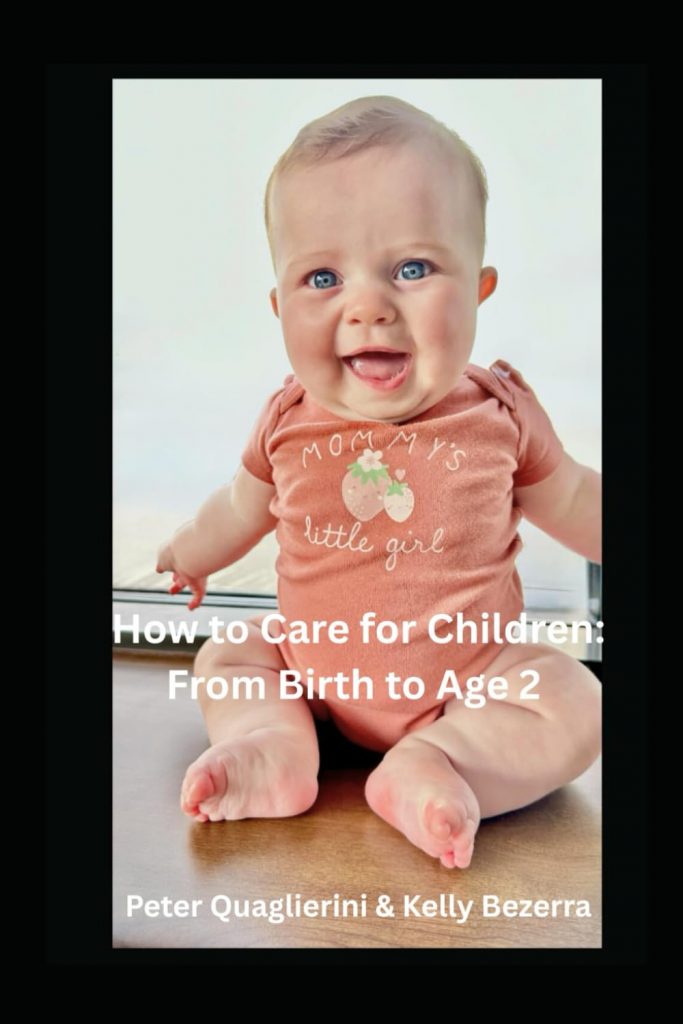
Looking for comprehensive guidance on caring for your baby? Our book ‘How to Care for Children: From Birth to Age 2’ combines professional childcare expertise with evidence based child development research. Written by Kelly and Peter, this guide provides clear, reliable advice rooted in real world childcare. Available in English, Spanish, and Portuguese on Amazon.
Click the link below your preferred language to get your copy!



1. Can I start solid foods before 6 months?
The AAP and WHO both advise against starting solid foods before 4 months and recommend waiting until around 6 months for most babies. Starting too early increases the risk of choking, digestive problems, and obesity, since a young baby’s digestive system and swallowing reflexes are simply not ready yet. Every baby develops on their own timeline, so always consult your pediatrician before beginning, especially if your baby was born premature.
2. What are the best first foods for babies at 6 months?
The best first foods for babies are iron-rich options such as pureed meats, iron-fortified oatmeal cereal, and pureed legumes, since iron stores from birth begin to decline right around 6 months. From there, a variety of fruits and vegetables like sweet potato, avocado, banana, and peas rounds out the menu and introduces new flavors and textures at a comfortable pace.
3. How do I know if my baby is ready for solid foods?
Signs that a baby is ready for solid foods include steady head control, the ability to sit with minimal support, loss of the tongue-thrust reflex, interest in food, and chewing motions. Most babies show several of these signs at once, usually around 6 months, rather than one in isolation. If you are only seeing one or two signs, it is worth waiting a few more weeks before offering that first spoonful.
4. Is baby led weaning vs purees better for my baby?
Neither method is universally superior when it comes to baby led weaning vs purees. Both can produce healthy, adventurous eaters, and the research supporting each approach is solid. Many families successfully use a combination approach, offering pureed iron-rich foods by spoon and soft finger foods for self-feeding at the same time, which tends to be the most forgiving option for busy households.
5. How do I introduce purees to my baby for the first time?
Learning how to introduce purees to a baby starts with offering 1 to 2 teaspoons of a single-ingredient, smooth puree during a calm moment when your baby is mildly hungry, never right after a full milk feed or when overtired. Increase the amount gradually over the following weeks as acceptance grows, and wait 3 to 5 days before adding the next new food so you can spot any reaction.
6. How many times a day should a 6-month-old eat solids?
Start with one small solid meal per day during the first two weeks, which is plenty while your baby is still learning to eat rather than to be fed. By weeks 3 to 4, increase to two meals. By months 7 to 8, most babies eat three small solid meals per day, always alongside breast milk or formula, which remains the main source of nutrition until closer to the first birthday.
7. Can I add salt or sugar to my baby’s food?
No. Added salt and sugar should be completely avoided during the entire first year. Baby kidneys are not mature enough to process excess sodium, and added sugar promotes poor dietary patterns and early tooth decay that can be hard to reverse later. This includes salt or sugar added during cooking at home, not just store-bought baby food.
