

Medical note: This article is for education only and does not replace medical advice from your pediatrician. Read our Medical Disclaimer.
The first year nutrition of your baby’s life is one of the most critical periods for growth, brain development, and building a strong immune system. A complete infant nutrition guide helps parents navigate every stage confidently, from exclusive breastfeeding in the early months to introducing solid foods and building a varied diet by month twelve. Understanding what your baby needs at each stage makes all the difference. Lactation or initiation of solid food presents different nutrients and feeding regimens desired at every stage of infancy dependent on the development of your infant. Recognizing these nutritional needs leads parents to plan well for healthy development.
For comprehensive guidance on your baby’s development, read our Ultimate Childcare Basics: Nurturing Children from the Start.
Disclosure: This post contains affiliate links. If you make a purchase through these links, we may earn a small commission at no additional cost to you. This helps us keep providing free, quality content for parents everywhere.
Written by Kelly, Childcare Specialist, and Peter, Researcher and Child Development Advocate.
Table of Contents
Tip 1: Trust Breast Milk or Formula Completely for the First 6 Months
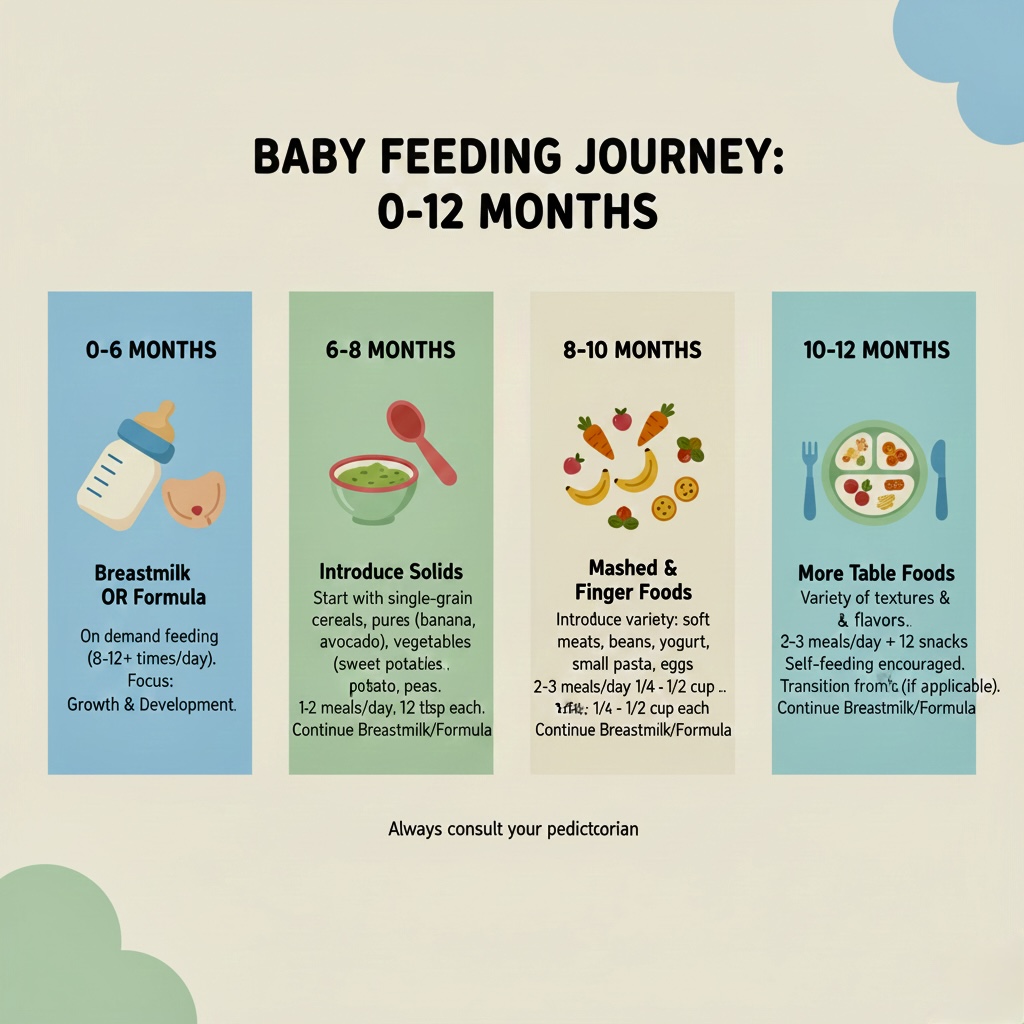
In the first 12 months, babies experience their fastest growth of their whole life. Their weight typically triples, their brain doubles in size, and their digestive tract matures to digest complex food. This phenomenal maturation needs careful nutritional support that shifts enormously from birth through their first year.
Research by pediatric nutrition specialists reveals that optimal nutrition not only during early infancy maintains growth but also influences eventual health outcomes like cognitive development, immunity, and even adult disease risk. Such understanding about critical periods allows parents to provide optimal nutrition throughout each stage of development.
According to research from the American Academy of Pediatrics, optimal nutrition during early infancy maintains growth and influences long-term health outcomes.
The Foundation: Birth to 6 Months Baby Feeding Schedule
During the first six months, your baby’s nutritional needs are perfectly met through breast milk or high-quality infant formula. This period requires no additional foods, water, or supplements under normal circumstances.
Breast Milk Excellence in Complete Infant Nutrition Guide: Breast milk is specifically formulated to accommodate your baby’s changing requirements. Its content even varies throughout the day and from development phase to development phase. Colostrum, the initial milk generated, is high in antibodies and offers very important immunity. Mature breast milk has just the right amount of proteins, fat, carbohydrates, vitamins, and minerals for optimal infant growth.
Formula Feeding: Supporting First Year Nutrition: For families who cannot breastfeed, modern infant formulas provide excellent nutrition. Choose iron-fortified formulas and follow preparation instructions precisely. The FDA strictly regulates infant formula to ensure it meets all nutritional requirements for healthy growth.
Proper feeding supports healthy development. Learn more about Baby Development: Important Milestones from Birth to 12 Months.

Feeding Patterns and Recognition:
- Frequency: Newborns typically feed 8-12 times per day, with feeding intervals gradually lengthening as they grow
- Growth indicators: Steady weight gain, appropriate diaper output (6+ wet diapers daily), and contentment between feeds
- Responsive feeding: Learn to recognize hunger cues (rooting, hand-to-mouth movements) and fullness signals (slowing sucking, turning away)
A predictable baby feeding schedule in these early weeks helps everyone settle into a rhythm, even though newborns rarely follow the clock exactly. Instead of counting minutes between feeds, watch the pattern over a full day. Most babies naturally cluster their feeds closer together in the evening and stretch longer during a nighttime sleep window. Writing down feeding times for the first week or two can help you and your pediatrician confirm the baby feeding schedule is working, without turning every feed into a stopwatch exercise.
Tip 2: Watch Your Baby’s Body, Not the Calendar, for Solid Food Readiness
While exclusive milk feeding continues until 6 months, this period involves watching for developmental signs that indicate approaching readiness for solid foods. Understanding these baby nutrition milestones helps parents time the introduction of solid foods appropriately.
Physical Development Markers:
- Head and neck control: Baby can hold head steady while sitting with support
- Sitting ability: Can maintain upright position with minimal assistance
- Hand-eye coordination: Beginning to reach for and grasp objects with intention
- Oral motor development: Loss of tongue-thrust reflex that automatically pushes food out
Behavioral Readiness Signs:
- Food interest: Watching family members eat with apparent curiosity
- Reaching behaviors: Attempting to grab food from others’ plates
- Chewing motions: Making chewing movements even without food
- Increased appetite: Seeming unsatisfied after milk feeds alone
These baby nutrition milestones rarely appear all on the same day, and that is completely normal. A baby might sit with support weeks before losing the tongue-thrust reflex, or show intense interest in your dinner plate long before their hands can actually grab a spoon. Rather than checking off a single sign, look at the whole picture across a week or two. When most of these baby nutrition milestones are present together, that is the real signal readiness has arrived, not any one behavior on its own.
Tip 3: Make Every First Bite Count With Iron Rich Foods
The introduction of solid foods marks a significant developmental milestone that requires patience, preparation, and understanding of nutritional priorities.
Critical Nutrient Focus: Around 6 months, babies’ iron stores from birth begin depleting, making iron-rich foods a priority. Zinc also becomes important for growth and immune function during this period.

Strategic Food Introduction:
- Iron-rich priorities: Pureed meats, iron-fortified cereals, well-cooked egg yolks, and mashed legumes
- Texture progression: Begin with smooth purees, gradually introducing slightly thicker consistencies
- Allergenic foods: Current guidelines encourage early introduction of common allergens like eggs, peanuts, and fish (in age-appropriate forms)
- Single ingredient approach: Introduce one new food every 3-5 days to identify potential allergic reactions
Introducing solid foods works best as a gradual process rather than a single milestone day. The first two weeks matter less for quantity and more for exposure, since the goal at this stage is helping your baby learn how to move food around their mouth and swallow safely. Babies typically eat only a spoonful or two at first, and that is expected. What matters for first year nutrition at this stage is consistency: offering iron-rich foods most days, even in small amounts, builds the habit and the palate at the same time.
Feeding Method Considerations:
- Traditional spoon-feeding: Allows careful control of texture and quantity
- Baby-led weaning: Allows baby to self-feed appropriate finger foods from the start
- Combined approach: Many families successfully combine both methods
Neither spoon-feeding nor baby-led weaning is inherently superior for introducing solid foods, and most pediatric nutrition guidance treats them as equally valid starting points. Spoon-feeding gives you more control over exactly how much iron-rich puree your baby gets in those early weeks, which can matter if you are watching iron intake closely. Baby-led weaning tends to support self-regulation and motor skills earlier, since the baby controls the pace entirely. Many families find a natural middle ground, offering purees for iron-dense foods early on while letting the baby explore soft finger foods alongside them.
Tip 4: Expand the Menu as Motor Skills and Appetite Grow
As babies develop better motor skills and digestive capabilities, their nutritional world expands significantly.
Texture and Skill Development:
- Fine motor progression: Developing pincer grasp allows for self-feeding of small, soft pieces
- Chewing ability: Improved oral motor skills handle increasingly complex textures
- Independence building: Encouraging self-feeding supports motor development and autonomy
As motor skills catch up with appetite, first year nutrition shifts from careful introduction to genuine variety. This is the stage where the baby feeding schedule starts looking more like a small version of the family’s own mealtimes, with distinct breakfast, lunch, and dinner moments instead of scattered feeds throughout the day.
Nutritional Diversification:
- Protein variety: Introduce various protein sources including fish, poultry, legumes, and dairy products
- Complex carbohydrates: Offer whole grain options and starchy vegetables
- Healthy fats: Include avocado, nut butters (if age-appropriate), and olive oil for brain development
- Flavor exposure: Introduce herbs and mild spices to expand palate preferences
Feeding Schedule Evolution: By 8-12 months, babies typically establish a pattern of 3 meals plus 1-2 snacks, with milk feeds continuing but gradually decreasing in frequency as solid food intake increases.
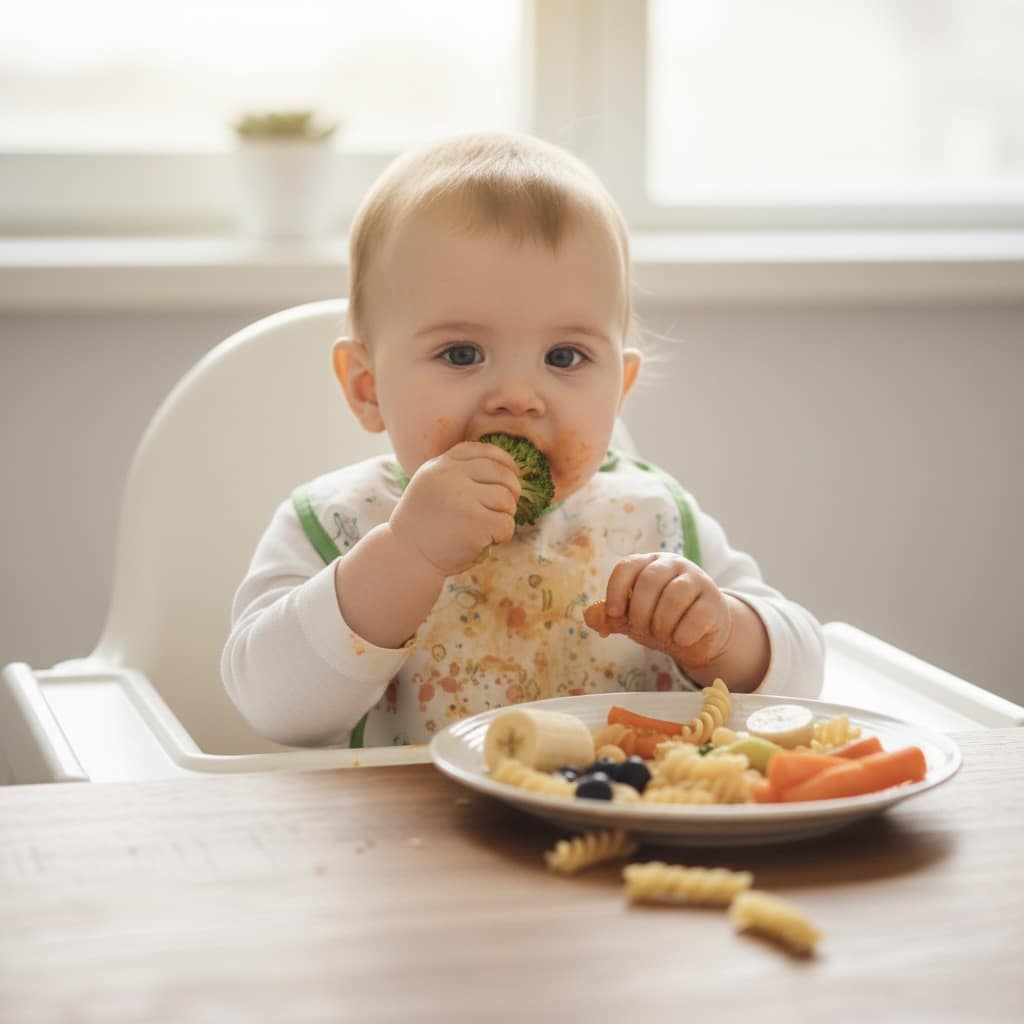
Creating a Healthy Baby Feeding Schedule Throughout the First Year
Vitamin and Mineral Needs:
- Vitamin D: Breastfed babies often require supplementation as breast milk contains limited vitamin D
- Iron: Crucial from 6 months onward, especially for breastfed babies
- Vitamin B12: Important for vegetarian families or mothers with B12 deficiency
- Fluoride: Consult pediatrician about supplementation based on local water fluoridation
A consistent baby feeding schedule at this stage also makes it easier to notice when something is off, whether that is a sudden drop in appetite or a new food refusal. Babies thrive on predictability, and a loose but steady rhythm of meals and milk feeds supports both digestion and mood throughout the day.
The Harvard T.H. Chan School of Public Health provides evidence-based nutrition recommendations for infant health.
Hydration Guidelines:
- 0-6 months: Breast milk or formula provides all necessary hydration
- 6-12 months: Small amounts of water can be offered with meals, but milk remains primary fluid source
- Juice considerations: The American Academy of Pediatrics recommends no fruit juice during the first year
Tip 5: Make Food Safety and Family Traditions Work Together
Preparation Guidelines:
- Cleanliness: Maintain strict hygiene in food preparation and storage
- Temperature control: Ensure foods are cooked to appropriate temperatures and served at safe temperatures
- Storage safety: Follow proper refrigeration and freezing guidelines for homemade baby food
- Commercial products: Check expiration dates and choose age-appropriate commercial foods when needed
Choking Prevention Strategies:
- Size considerations: Cut food into appropriate sizes vertically (smaller than a dime)
- Texture awareness: Avoid hard, round, or sticky foods that pose choking risks
- Supervision requirements: Always supervise eating and learn infant CPR techniques
- Progression monitoring: Advance textures only as baby demonstrates readiness
Good food safety habits matter just as much as food choice when it comes to first year nutrition. Most choking incidents happen with familiar, everyday foods prepared the wrong way for a baby’s age and chewing ability, not with unusual items. Reviewing food size and texture every few weeks as your baby’s skills change is a simple habit that keeps mealtimes both safe and enjoyable.
Safety is paramount in all aspects of childcare. Read our comprehensive Toddler Safety: Essential Tips to Keep Your Child Safe and Secure.
Special Nutritional Considerations in Your Complete Infant Nutrition Guide
Family Food Integration:
- Cultural foods: Most traditional family foods can be adapted for babies through appropriate preparation
- Spice introduction: Mild spices and herbs can be introduced to reflect family eating patterns
- Social eating: Including baby in family mealtimes supports social development and food acceptance
Special Dietary Considerations:
- Vegetarian families: Require careful attention to protein, iron, and B12 sources
- Food allergies: Family history may influence introduction timing and monitoring strategies
- Religious dietary restrictions: Most religious dietary guidelines can accommodate infant nutritional needs
Whatever your family’s dietary approach, the core principles of introducing solid foods stay the same: prioritize iron and zinc, watch for allergic reactions with each new food, and keep offering variety even when a food is rejected the first few times. Baby nutrition milestones do not depend on any single cuisine or tradition, they depend on consistent exposure to a range of nutrients.
Tip 6: Build a Feeding Relationship Your Baby Can Trust
Responsive Feeding Principles:
- Hunger and satiety cues: Learn to recognize and respect baby’s internal regulation signals
- Pressure-free environment: Avoid forcing, bribing, or pressuring baby to eat
- Exploration encouragement: Allow messy exploration as part of learning process
- Patience with preferences: Understand that food acceptance may require multiple exposures
Creating Positive Associations:
- Mealtime atmosphere: Maintain calm, pleasant feeding environments
- Family modeling: Demonstrate healthy eating behaviors and food enjoyment
- Variety exposure: Continue offering foods even if initially rejected
- Celebration of progress: Acknowledge small steps in eating skill development
Babies pick up on tension around food faster than most parents expect. A relaxed mealtime, even a messy one, teaches a baby that eating is safe and enjoyable, which supports healthy baby nutrition milestones far more than any single food choice does. Some of the pickiest eating phases resolve simply once the pressure around the table eases.
Monitoring Growth and Development
Growth Tracking: Regular pediatric visits include growth measurements that help assess nutritional adequacy. Weight, length, and head circumference are plotted on standardized growth charts to ensure babies are thriving.
Developmental Milestones: Proper nutrition supports achievement of developmental milestones, while feeding skills themselves represent important developmental achievements that parents can track and celebrate.
When to Seek Professional Guidance:
- Growth concerns: Significant deviation from established growth patterns
- Feeding difficulties: Persistent refusal to eat or extreme selectivity
- Allergic reactions: Any signs of food allergies or intolerances
- Special needs: Babies with medical conditions may require specialized nutrition guidance
Tracking growth is one piece of first year nutrition, but it works best alongside your own daily observations. A pediatrician sees your baby for a few minutes every couple of months, while you see the baby feeding schedule, appetite changes, and energy levels every single day. Bringing specific notes to appointments, rather than a general sense that something feels different, helps your pediatrician act faster when it matters.
Building healthy habits starts early. Explore our guide on Healthy Foods for Babies: Complete Nutrition Guide.
Tip 7: Push Through Feeding Challenges Without Losing the Long Game
Every parent following an infant nutrition guide encounters challenges. Understanding common obstacles and their solutions helps you navigate the first year with confidence.
Feeding Refusal and Food Strikes
Many babies go through phases of refusing previously accepted foods. This infant nutrition guide approach helps: offer foods without pressure, maintain regular meal times, and continue exposure to rejected foods. Research shows babies may need 10-15 exposures before accepting new tastes.
Food strikes during illness or teething are temporary. Continue offering nutritious options while respecting your baby’s appetite. Your infant nutrition guide should emphasize that forcing food creates negative associations that persist into childhood.
Messy Eating and Self-Feeding Struggles
Self-feeding is a crucial infant nutrition guide milestone that supports motor development and independence. Embrace the mess as part of learning. Use large bibs, place mats under high chairs, and involve babies in cleanup to teach responsibility.
Babies learning to self-feed may consume less initially. This is normal developmental progression. Continue offering appropriate finger foods while supplementing with spoon-feeding nutrient-dense purees as needed.
Constipation Management Through Nutrition
When introducing solid foods, some babies experience constipation. This infant nutrition guide solution includes offering high-fiber foods like prunes, pears, and peas. Ensure adequate hydration and include healthy fats to ease digestion.
If constipation persists despite dietary adjustments, consult your pediatrician. Some babies need temporary interventions while their digestive systems mature.
Balancing Breast Milk or Formula with Solids
A common infant nutrition guide question involves balancing milk and solid foods. During 6-8 months, milk remains the primary nutrition source with solids as complementary. Offer breast milk or formula before solids to maintain adequate milk intake.
By 9-12 months, solid foods gradually become the primary nutrition source. By this stage, three meals plus snacks work well, with milk feeds continuing but decreasing in frequency. Every baby transitions at their own pace.
The nutrition strategies you implement during the first year create foundations that extend far beyond infancy.
Establishing Healthy Eating Patterns
Early food experiences during first year nutrition shape lifelong preferences and habits. Offering diverse flavors, textures, and food groups is one of the most effective ways to shape lifelong food acceptance. Babies exposed to varied tastes during the first year demonstrate greater food acceptance in childhood.
Responsive feeding practices taught in this infant nutrition guide help babies develop healthy self-regulation. Children who learn to recognize and respond to internal hunger and fullness cues maintain healthier weights throughout life.
Preventing Childhood Obesity
Following age-appropriate nutrition guidance during infancy helps prevent childhood obesity. Avoiding juice, limiting added sugars, and preventing overfeeding establish healthy metabolic patterns. The first year sets trajectories for growth that influence lifelong health.
Research demonstrates that rapid weight gain during infancy correlates with increased obesity risk later. Following evidence-based infant nutrition guide principles supports appropriate growth velocity.
Supporting Cognitive Development
Nutrition profoundly impacts brain development during the critical first year. This infant nutrition guide highlights nutrients essential for cognitive development: iron for learning and memory, omega-3 fatty acids for brain structure, and choline for neural development.
Babies receiving optimal nutrition as outlined in this infant nutrition guide demonstrate better cognitive outcomes, language development, and school readiness. The investment in proper nutrition pays dividends throughout childhood and beyond.
Building Immune System Strength
The infant nutrition guide approach to introducing diverse foods supports immune system development. Exposure to various proteins helps the immune system learn to distinguish between harmful and harmless substances.
Nutrients like zinc, vitamin D, and vitamin A directly support immune function. Proper nutrition during the first year reduces illness frequency and severity throughout childhood.
Conclusion
Proper nutrition during the first year plays a crucial role in healthy growth, brain maturation, and a strong immune system. Every stage of infancy calls for different nutrients and feeding approaches, and recognizing these shifting needs helps parents plan well for their baby’s development.
Every baby follows their own nutritional journey, and flexibility paired with good information leads to the best outcomes. With patience, careful observation, and guidance from your pediatrician, you can navigate this first year with confidence, knowing that the foundation you’re building now will support your child’s health for years to come.
- Academy of Nutrition and Dietetics – nutritional recommendations
- Harvard T.H. Chan School of Public Health – nutrition research
- USDA Dietary Guidelines – official nutrition standards
- American Academy of Pediatrics – Expert guidance on infant nutrition
Looking for comprehensive guidance on caring for your baby? Our book ‘How to Care for Children: From Birth to Age 2’ combines professional childcare expertise with evidence-based child development research. Written by Kelly and Peter, this guide provides clear, reliable advice rooted in real-world childcare. Available in English, Spanish, and Portuguese on Amazon.
Click the link below your preferred language to get your copy!




1. When should I start introducing solid foods?
Most babies show readiness for solid foods around 6 months of age, though some may be ready slightly earlier, between 4 and 6 months, with pediatrician approval. Look for developmental signs: good head and neck control, the ability to sit with minimal support, loss of the tongue-thrust reflex, and genuine interest in food. Never introduce solids before 4 months, since digestive systems and motor skills are not developed enough at that point. Always consult your pediatrician before starting solid foods, especially if your baby has special health considerations.
2. How do I know if my baby is getting enough nutrition?
Several indicators point to adequate nutrition. Monitor growth through regular pediatric checkups, where weight, length, and head circumference are plotted on growth charts. Between visits, watch for 6 or more wet diapers daily, regular bowel movements, steady weight gain, alertness, and contentment between feeds. Babies who are feeding well typically meet developmental milestones on schedule. If you notice significant appetite changes, feeding refusal lasting more than a few days, fewer wet diapers, or concerns about growth, contact your pediatrician right away.
3. What are the most important foods for the first year?
Iron-rich foods become a priority from 6 months onward, since babies’ iron stores from birth begin depleting around this time. Include iron-fortified cereals, pureed meats, well-cooked egg yolks, and legumes. Zinc-rich foods like meat and beans support growth and immunity as well. Healthy fats from avocado, age-appropriate nut butters, and olive oil support brain development. Round out the diet with colorful fruits and vegetables for vitamins and minerals, whole grains for fiber, and full-fat dairy after 8 months for calcium and protein. Variety across these groups ensures comprehensive nutrition.
4. How can I prevent food allergies?
Current recommendations encourage early introduction of common allergens rather than delayed exposure. Around 6 months, introduce eggs, peanuts as a smooth butter thinned with breast milk or formula, tree nuts, fish, wheat, soy, and dairy in age-appropriate forms. Introduce one new allergenic food every 3 to 5 days, starting with small amounts and gradually increasing. Keep offering allergenic foods regularly once introduced, since consistent exposure helps prevent allergies from developing. If your family has a history of severe food allergies, consult an allergist before introducing major allergens, and watch for reaction signs like hives, swelling, vomiting, difficulty breathing, or extreme fussiness after eating.
5. Should I make homemade baby food or use commercial options?
Both approaches work well, and each offers real advantages. Homemade baby food allows complete control over ingredients, introduces family flavors, and often costs less. You can prepare large batches and freeze portions for convenience. Commercial baby foods offer convenience, consistency, and rigorous safety testing. Many families use a combination: homemade food at home and commercial options while traveling. If you make food at home, focus on food safety: wash hands and surfaces thoroughly, cook to appropriate temperatures, avoid added salt and sugar, and follow proper storage guidelines. Whether homemade or commercial, prioritize nutrient-dense, age-appropriate foods.
6. How do I establish a good feeding schedule?
Responsive feeding works better than rigid schedules, especially in the early months. Newborns typically feed 8 to 12 times per day on demand, and natural patterns emerge as babies grow. By 6 to 8 months, aim for 3 to 4 milk feeds plus 1 to 2 solid meals. From 8 to 12 months, most babies settle into 3 meals plus 1 to 2 snacks, alongside 3 to 4 milk feeds. Watch your baby’s hunger cues rather than forcing specific times. Hunger signals include rooting, hand-to-mouth movements, and fussiness. Fullness signals include slowing down, turning away, or pushing food away. Every baby is unique, so stay flexible while keeping a general routine.
7. What should I avoid during the first year?
A few foods need to wait. Never give honey before 12 months due to botulism risk, and avoid cow’s milk as a primary drink before 12 months, though small amounts in cooking are fine after 8 months. Skip added salt and sugar, since babies’ kidneys and metabolism are not ready to process them. Avoid choking hazards like whole grapes, nuts, popcorn, hard candy, and chunks of meat or cheese. Skip fruit juice entirely during the first year, and avoid low-fat dairy products, since babies need the fat for brain development. Finally, lean away from highly processed foods and toward whole, nutrient-dense options whenever possible.
