

Medical note: This article is for education only and does not replace medical advice from your pediatrician. Read our Medical Disclaimer.
Nothing terrifies parents more than watching their baby struggle to breathe. The sound of labored breathing, the sight of tiny chest muscles working overtime, or witnessing your infant’s face turn pale creates fear that few other emergencies can match. Baby respiratory illnesses represent some of the most dangerous health threats during the first two years of life, capable of escalating from mild symptoms to critical emergencies within hours.
Understanding these respiratory threats in infants and implementing proven prevention strategies can save your baby’s life. This comprehensive guide explores the five deadliest baby respiratory illnesses, their warning signs, and the evidence-based prevention methods every parent must know to protect their infant from serious respiratory infections.
Disclosure: This post contains affiliate links. If you make a purchase through these links, we may earn a small commission at no additional cost to you. This helps us keep providing free, quality content for parents everywhere.
Written by Kelly, Childcare Specialist, and Peter, Researcher and Child Development Advocate.
Table of Contents

Why Baby Respiratory Illnesses Are So Dangerous
Infants possess respiratory systems that differ dramatically from adults in ways that make them extraordinarily vulnerable to serious complications from respiratory illnesses. Their airways measure approximately one quarter the diameter of adult airways, meaning even minimal swelling or mucus accumulation can create dangerous blockages.
Babies breathe primarily through their noses during the first months of life, making nasal congestion particularly problematic when infections strike. They also breathe significantly faster than adults, taking 30 to 40 breaths per minute compared to 12 to 16 for adults, and their smaller oxygen reserves mean they can develop dangerous oxygen deficiency much more rapidly.
The American Academy of Pediatrics emphasizes that babies under six months old face the highest risk for severe complications because their immune systems are still developing and their breathing patterns remain irregular. Premature infants encounter even greater risks due to underdeveloped lung tissue and weaker respiratory muscles, which is why respiratory infections prevention matters so much in the first months.
Common Cold vs. Dangerous Baby Respiratory Illness: Telling Them Apart
Every baby gets colds, often eight to ten times before their second birthday, and most of these run their course without ever becoming one of the serious baby respiratory illnesses covered in this guide. Knowing what separates ordinary congestion from something dangerous helps parents avoid both unnecessary panic and dangerous delay.
A typical cold involves a runny or stuffy nose, mild cough, low-grade fever under 101°F, and a baby who still feeds reasonably well and has normal energy between naps. These symptoms usually peak around day three and improve steadily afterward.
Signs that point toward something more serious:
Breathing that looks like real work, not just noisy, fever that climbs rather than settles, a baby who feeds less and less each day instead of gradually improving, or any of the red flags covered throughout this guide, like chest retractions, blue coloring, or extreme lethargy.
The single most useful habit for a worried parent is comparing today to yesterday rather than today to a healthy baseline. A baby who is slightly better than 24 hours ago, even if still sick, is usually on the right track. A baby who is the same or worse after several days deserves a call to the pediatrician regardless of which specific respiratory illness is suspected.
1. Respiratory Syncytial Virus (RSV) in Babies
RSV represents one of the most dangerous baby respiratory illnesses worldwide. This virus causes bronchiolitis and pneumonia that frequently require hospitalization and, in severe cases, mechanical ventilation. Nearly all children contract RSV by age two, but babies under 12 months face the highest risk for severe complications from this respiratory illness, including respiratory failure.
How RSV Progresses in Infants
RSV typically begins with symptoms resembling a common cold: runny nose, decreased appetite, and low-grade fever. However, this deceptive start of RSV in babies can rapidly progress to serious lower respiratory tract infection within 24 to 48 hours.
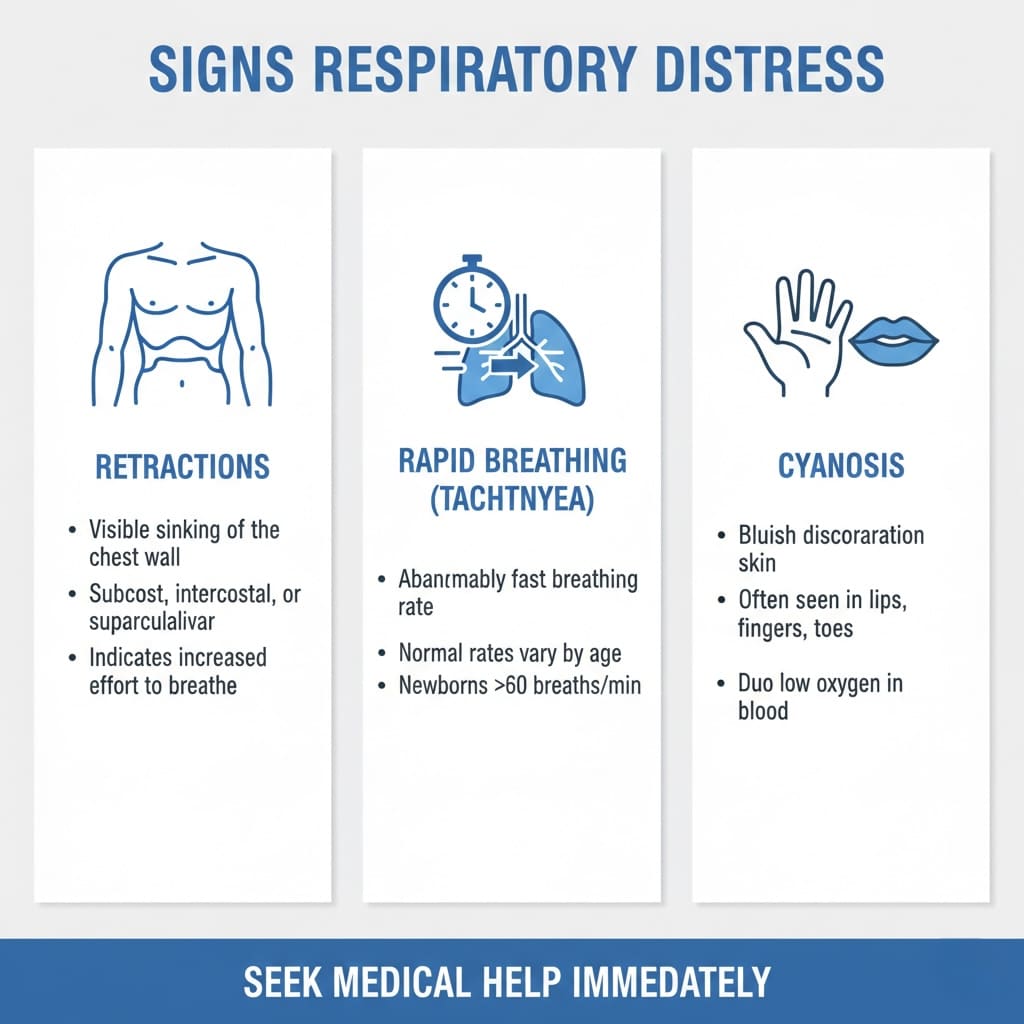
Critical warning signs of severe respiratory illness include breathing faster than 60 breaths per minute, wheezing or whistling sounds when breathing, chest retractions where skin pulls in around ribs with each breath, decreased activity and alertness, blue coloring around lips or fingernails, and severe feeding difficulties.
High-Risk Populations for RSV
Premature babies, especially those born before 29 weeks gestation, face dramatically increased risk of severe complications from RSV in babies. Infants with congenital heart disease, chronic lung conditions, or compromised immune systems also experience higher rates of hospitalization.
These vulnerable babies may require intensive care for respiratory infections including oxygen support, intravenous fluids, continuous monitoring, and in severe cases, mechanical ventilation to survive the infection.
Prevention Strategies Against RSV
Limiting exposure to crowded places during RSV season, which typically runs from fall through spring, is one of the most effective forms of respiratory infections prevention. Ensure all caregivers wash hands thoroughly with soap and water for at least 20 seconds before handling your baby.
Avoid contact with anyone showing cold symptoms or respiratory infections, including family members. Consider RSV immunization (palivizumab/Beyfortus) for high-risk infants as recommended by your pediatrician. The FDA recently approved new preventive antibody treatments that provide protection for all infants during their first RSV season.
2. Bronchiolitis in Infants
Bronchiolitis, primarily caused by RSV but also triggered by other viruses, involves inflammation and swelling of the smallest airways in the lungs called bronchioles. Bronchiolitis in infants poses particular danger because their tiny airways can become completely blocked by inflammation and mucus accumulation.
Recognizing Bronchiolitis Symptoms
Early symptoms of bronchiolitis in infants mirror those of a common cold: congestion, mild cough, and possibly low-grade fever. However, the condition typically worsens as inflammation increases over the first three to five days of illness.
Dangerous signs of severe respiratory illness requiring immediate medical attention include breathing faster than 60 breaths per minute, severe chest retractions visible with each breath, blue coloring around lips or fingernails indicating oxygen deficiency, extreme difficulty feeding or refusing to eat, and episodes of breathing cessation lasting more than 10 seconds.
The Progression Timeline
Understanding the typical progression of bronchiolitis in infants helps parents know when to seek medical care. The illness usually worsens over the first three to five days before gradually improving over the following week to two weeks.
However, some babies experience rapid deterioration from respiratory illnesses requiring immediate emergency care. Parents must monitor breathing patterns continuously during the illness, checking respiratory rate, chest movement, skin color, and feeding ability every few hours.
Treatment and Management Options
No specific antiviral treatment exists for bronchiolitis in infants, making supportive care absolutely crucial. This includes maintaining adequate hydration through frequent small feedings or, if necessary, intravenous fluids in hospital settings.
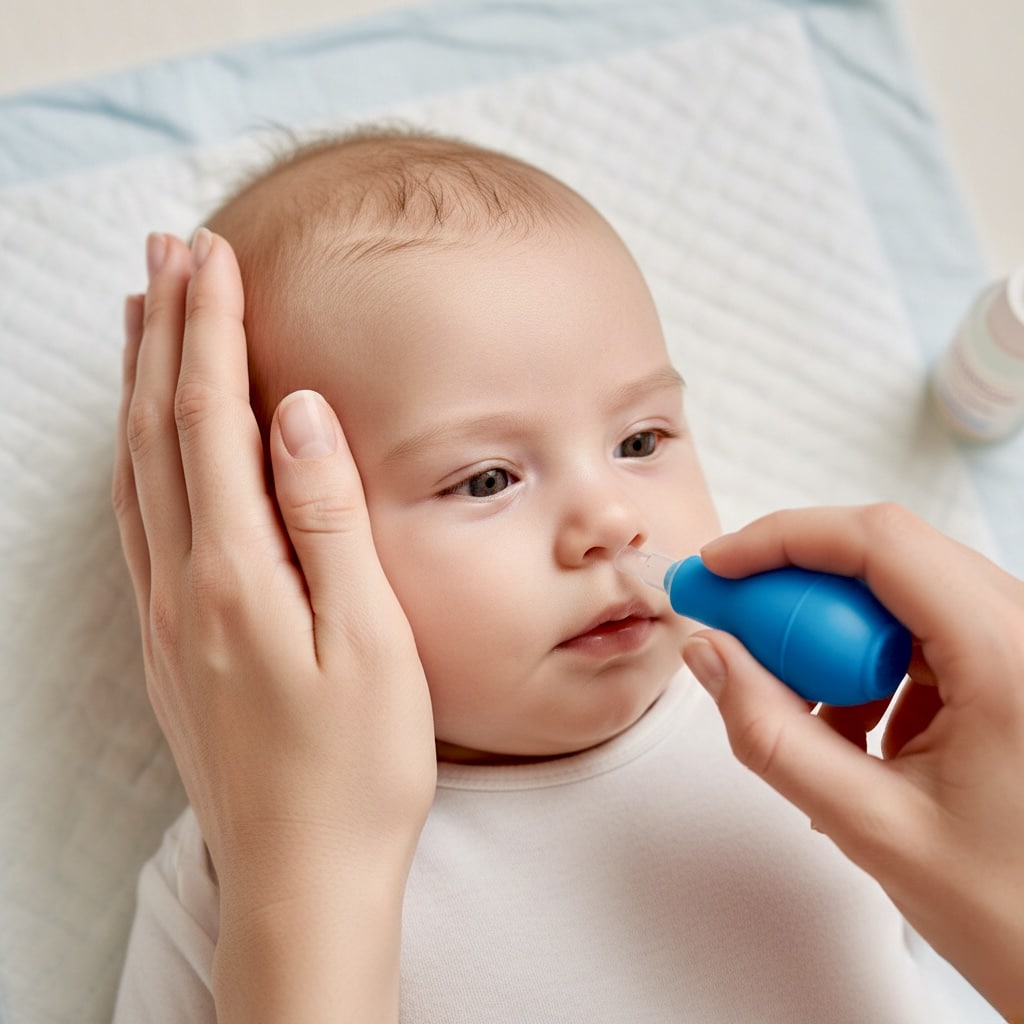
Using a cool-mist humidifier can help loosen mucus during respiratory infections, though it must be cleaned daily to prevent bacterial growth. Nasal saline drops and gentle suctioning with a bulb syringe can clear nasal passages, making breathing and feeding easier.
Severe cases of respiratory infections require hospitalization for supplemental oxygen therapy, continuous monitoring of oxygen levels and breathing patterns with baby sleep monitoring devices, and sometimes feeding support through nasogastric tubes. Never give over-the-counter cough or cold medications to babies with respiratory illnesses without specific pediatrician guidance, as these can be dangerous.
3. Pneumonia in Babies
Pneumonia represents a leading cause of hospitalization and death in children under two years old worldwide. This lung infection can be caused by bacteria, viruses, or other pathogens, and pneumonia in babies demands immediate medical evaluation.
Bacterial Versus Viral Pneumonia
Bacterial pneumonia often presents more dramatically than viral pneumonia in babies, with high fever, rapid symptom onset, and more severe breathing difficulties. Common bacterial causes include Streptococcus pneumoniae and Haemophilus influenzae type b, though vaccination has significantly reduced incidence of these respiratory infections.
Viral pneumonia may develop more gradually but can still become life-threatening. Respiratory syncytial virus, influenza, and parainfluenza viruses represent common viral causes of respiratory infections. Both types require prompt medical evaluation and treatment in babies.
Take a look at this post: 10 Critical Fever Management Techniques to Save Your Child
Critical Warning Signs
Parents should seek immediate medical care if their baby shows any of these pneumonia symptoms indicating serious respiratory illness: breathing faster than normal for their age, fever (especially temperatures above 100.4°F in babies under three months), persistent cough lasting more than a few days, decreased appetite and activity levels, grunting sounds with breathing, and signs of oxygen deficiency including blue coloring around lips or fingernails. If fever is part of the picture, our guide to fever management in babies covers what to do next.
Babies with respiratory illnesses may also demonstrate chest pain through increased irritability, crying when touched on the chest or back, or refusing to lie flat. Any combination of these symptoms warrants urgent medical evaluation.
Real-time breathing monitors give parents a critical safety layer during respiratory illness recovery. See the baby sleep monitoring devices that track breathing patterns and alert parents immediately when something changes.
Prevention Through Vaccination
Vaccines provide the most effective protection against pneumonia in babies and other serious respiratory infections. The pneumococcal conjugate vaccine (PCV13 or PCV15) protects against the most common bacterial cause of respiratory infections. The Haemophilus influenzae type b (Hib) vaccine prevents another serious bacterial cause of respiratory illness in infants.
Following the recommended vaccination schedule as outlined by the Centers for Disease Control and Prevention provides crucial protection during the most vulnerable period of infancy against severe respiratory infections. Annual influenza vaccination for babies six months and older also supports respiratory infections prevention more broadly.
4. Pertussis (Whooping Cough) in Infants
Pertussis poses an extreme, often underestimated threat for infants under six months old. This highly contagious bacterial respiratory infection causes severe coughing fits that can prevent breathing and lead to brain damage or death. The characteristic whoop sound that gives the disease its common name may not occur in young infants, making recognition more challenging.
Recognizing Pertussis Symptoms
Early pertussis symptoms closely resemble a common cold: runny nose, mild cough, and possibly low-grade fever. This initial phase lasts one to two weeks, during which the baby is highly contagious but appears to have only a minor respiratory illness.
The cough gradually worsens over the following weeks, becoming more frequent and severe. Babies with pertussis may experience coughing fits that turn them blue, cause vomiting after coughing episodes, result in complete breathing cessation for alarming periods, or lead to exhaustion between coughing spells.
The Danger of Delayed Diagnosis
Pertussis can cause devastating complications, including pneumonia, seizures, brain damage from oxygen deprivation, and death. Approximately half of babies under one year old who contract this respiratory infection require hospitalization.
Early antibiotic treatment is crucial for reducing complications and preventing transmission to other family members. However, antibiotics become less effective once the severe coughing stage of the respiratory illness begins, making early diagnosis essential.
Prevention Strategies
Maternal vaccination during pregnancy represents the most effective protection for newborns against pertussis. The Tdap vaccine administered between 27 and 36 weeks of pregnancy provides antibodies that protect babies from respiratory infections until they can begin their own vaccination series at two months old.
All close contacts, including fathers, grandparents, childcare providers, and other family members, should ensure their pertussis vaccinations are current to help with respiratory infections prevention. This cocooning strategy creates a protective barrier around vulnerable infants.
5. Respiratory Distress Syndrome and Infant Apnea
Respiratory distress syndrome primarily affects premature babies whose lungs lack sufficient surfactant, a substance that helps lungs expand properly with each breath. However, full-term babies can also experience respiratory distress from various causes including infection, meconium aspiration, or congenital abnormalities.
Recognizing Respiratory Distress
Signs of respiratory distress require immediate emergency medical care. These include breathing faster than 60 breaths per minute, grunting sounds with each breath, flaring nostrils with breathing efforts, severe chest retractions, and blue coloring of skin, lips, or nail beds.
Babies in respiratory distress may also appear extremely lethargic, refuse to feed, or show decreased responsiveness to stimulation. Any of these symptoms demands calling 911 immediately for suspected respiratory illness.
Understanding Infant Sleep Apnea
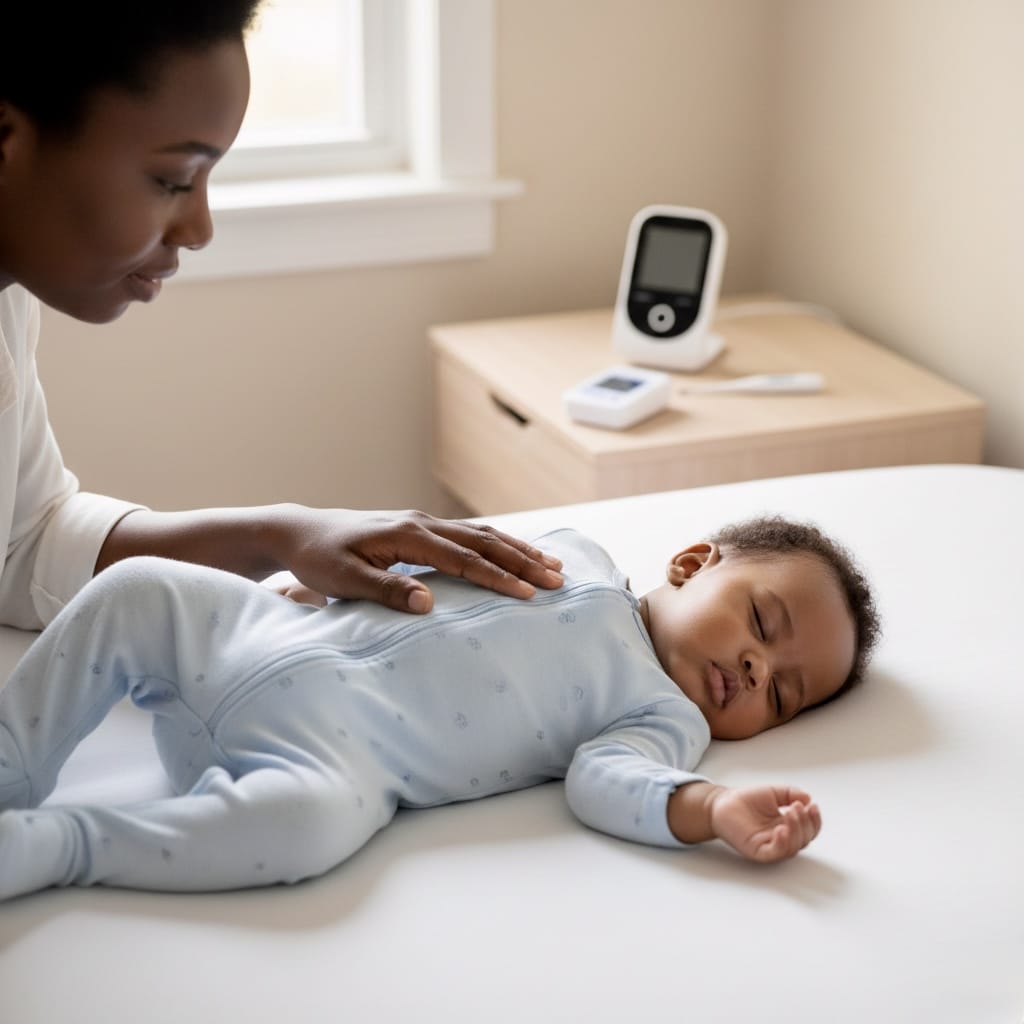
Brief pauses in breathing during sleep, typically lasting less than 10 seconds, occur normally in babies. However, prolonged apnea, defined as breathing cessation for 20 seconds or more, or apnea accompanied by blue coloring, limpness, or difficulty arousing the baby requires immediate medical evaluation for possible respiratory illness.
Apnea can result from prematurity, respiratory infections, neurological conditions, or gastroesophageal reflux. Some babies require home monitoring equipment or medication to manage apnea episodes.
SIDS Risk Factors
While not strictly a respiratory illness, Sudden Infant Death Syndrome may involve respiratory factors. Safe sleep practices including back sleeping, firm sleep surfaces, and smoke-free environments significantly reduce SIDS risk.
Environmental Prevention Strategies for Baby Respiratory Illnesses
Air Quality Management
Maintaining clean indoor air significantly reduces risk of respiratory infections and supports respiratory infections prevention overall. Eliminate all tobacco smoke exposure, as smoking during pregnancy and around infants dramatically increases respiratory illness risk and severity.
Use HEPA air filters to remove airborne particles, allergens, and pathogens. Minimize exposure to strong chemical odors from cleaning products, air fresheners, and new furniture. Choose natural, fragrance-free cleaning products when possible to reduce respiratory irritation.
Humidity Control
Maintain indoor humidity levels between 30 and 50 percent to optimize respiratory health. Air that is too dry can irritate airways and increase susceptibility to respiratory infections, while excessive humidity promotes mold growth and dust mite proliferation.
Use cool-mist humidifiers safely by cleaning them daily with white vinegar and water, using distilled water instead of tap water, and placing them at least three feet from your baby’s sleep area to prevent respiratory illness complications.
Temperature Regulation
Avoid overheating babies, as excessive warmth can stress their respiratory systems and increase risk of respiratory infections. Dress babies in light layers appropriate for room temperature, and maintain comfortable room temperatures around 68 to 70 degrees Fahrenheit.
Never place heavy blankets over sleeping babies, as this increases SIDS risk and can cause overheating that may worsen breathing difficulties. Use sleep sacks or wearable blankets designed for safe infant sleep.
Maintaining proper room humidity and air quality is essential during respiratory illness. Baby Gear Guide 2026: Must-Have Picks for Happy Babies covers the best humidifiers and air quality monitors available.
Smoke Exposure Prevention
Eliminate all tobacco smoke exposure, including secondhand and thirdhand smoke. Smoking during pregnancy and around babies dramatically increases respiratory illness risk and severity.
When to Seek Emergency Medical Care
Immediate Emergency Signs
Call 911 immediately if your baby shows any of these severe symptoms indicating critical respiratory illness: blue coloring around lips, face, or entire body indicating critical oxygen deficiency, extreme lethargy or complete unresponsiveness to stimulation, inability to cry or make sounds, complete cessation of breathing for more than 10 seconds, or severe breathing difficulty with chest retractions visible from across the room.
These signs indicate life-threatening complications requiring immediate emergency intervention. Do not attempt to drive to the hospital yourself; emergency medical services can begin treatment en route and alert the emergency department to prepare for your baby’s arrival.
Urgent Medical Attention
Seek prompt medical care within hours for breathing faster than 60 breaths per minute sustained over 30 minutes, persistent fever above 100.4 degrees Fahrenheit in babies under three months, feeding difficulties lasting more than eight hours with decreased wet diapers, or any concerning changes in breathing patterns including new wheezing, grunting, or stridor (high-pitched sound when breathing in) suggesting respiratory illness.
Trusting Parental Instincts
If something seems wrong with your baby’s breathing, even if you cannot identify a specific symptom, seek medical evaluation. Healthcare providers appreciate concerned parents who advocate for their children’s health. Trust your instincts; you know your baby better than anyone.
Building Long-Term Respiratory Health
Breastfeeding Benefits

Exclusive breastfeeding for the first six months provides antibodies that protect against respiratory infections and reduces illness severity when infections do occur. Breast milk contains immunoglobulins, white blood cells, and other protective factors that strengthen infant immune systems against respiratory illness.
Continue breastfeeding alongside solid foods through at least 12 months to provide ongoing respiratory infections prevention. Even partial breastfeeding offers significant benefits compared to formula feeding alone. Supporting this with healthy foods for babies as they grow further strengthens their immune defenses against respiratory infections.
7 Essential Healthy Foods for Babies: Complete Guide
Vaccination Compliance
Following the recommended vaccination schedule protects babies against multiple serious respiratory pathogens. Vaccines prevent pertussis, pneumococcal disease, Haemophilus influenzae type b, and influenza, dramatically reducing illness severity and complications.
Vaccines save lives by preventing serious respiratory infections and their potentially devastating consequences. Discuss any vaccination concerns with your pediatrician, who can provide evidence-based information about vaccine safety and effectiveness.
Hygiene Practices for Respiratory Infections Prevention
Establish consistent hand hygiene for all family members and visitors before touching your baby to prevent spreading respiratory illnesses. Wash hands with soap and water for at least 20 seconds, especially after coughing, sneezing, diaper changes, or coming home from public places where respiratory infections spread.
Use alcohol-based hand sanitizer containing at least 60 percent alcohol when soap and water are unavailable. Avoid touching your baby’s face, especially eyes, nose, and mouth, with unwashed hands, as this transmits respiratory viruses.
Regular Pediatric Care
Maintain regular well-baby checkups to monitor respiratory development and address concerns early. Rapid skin color changes can also signal other pediatric emergencies beyond respiratory illness; our guide to dangerous skin conditions in babies covers additional warning signs worth knowing. Your pediatrician can identify potential respiratory problems, provide guidance on prevention strategies for respiratory infections, and ensure your baby receives appropriate vaccinations on schedule.
Early intervention for respiratory problems often prevents serious complications. Never hesitate to contact your pediatrician between scheduled appointments if you have concerns about your baby’s breathing, signs of respiratory illness, or respiratory health.
Conclusion
Protecting your baby from dangerous respiratory illnesses requires understanding the threats, implementing proven prevention strategies, and recognizing when immediate medical intervention becomes necessary. Your knowledge and vigilance can make the difference between manageable illness and life-threatening emergency.
Stay informed, follow vaccination schedules to prevent respiratory infections, practice excellent hygiene, maintain healthy indoor environments, and trust your parental instincts when concerned about respiratory illness. These actions provide your baby the best possible protection during their most vulnerable months and reduce illness severity when it does occur.
Looking for comprehensive guidance on caring for your baby? Our book ‘How to Care for Children: From Birth to Age 2’ combines professional childcare expertise with evidence-based child development research. Written by Kelly and Peter, this guide provides clear, reliable advice rooted in real-world childcare. Available in English, Spanish, and Portuguese on Amazon.
Click the link below your preferred language to get your copy!


1. What are the most common baby respiratory illnesses?
The most common baby respiratory illnesses include RSV (Respiratory Syncytial Virus), bronchiolitis, pneumonia, pertussis (whooping cough), and common colds. RSV and bronchiolitis are particularly dangerous respiratory infections for babies under 12 months old.
2. How can I tell if my baby’s breathing problem is serious?
Seek immediate medical care if your baby breathes faster than 60 breaths per minute, shows blue coloring around lips or face, has severe chest retractions, refuses to eat for more than 8 hours, or appears extremely lethargic. Trust your instincts; if something seems wrong with potential respiratory illness, contact your pediatrician immediately.
3. Can breastfeeding prevent respiratory infections in babies?
Breastfeeding significantly reduces the risk and severity of baby respiratory illnesses. Breast milk contains antibodies and immune factors that protect against respiratory infections. Exclusive breastfeeding for six months provides the strongest protection against baby respiratory illnesses.
4. When should I take my baby to the emergency room for breathing problems?
Call 911 immediately if your baby stops breathing, turns blue, becomes completely unresponsive, or shows severe breathing difficulty with visible chest retractions. These signs indicate life-threatening respiratory distress from baby respiratory illnesses requiring emergency intervention.
5. How can I prevent RSV in my newborn?
Prevent RSV and other baby respiratory illnesses by limiting exposure to crowded places during fall and spring, ensuring all caregivers wash hands thoroughly before touching baby, avoiding contact with sick individuals, and discussing RSV immunization options with your pediatrician for high-risk infants.
6. What is the difference between bronchiolitis and pneumonia in babies?
Bronchiolitis affects the smallest airways (bronchioles) and is usually caused by viruses like RSV. Pneumonia is a lung infection that can be bacterial or viral. Both are serious baby respiratory illnesses that cause breathing difficulties but may require different treatments. Your pediatrician can determine the specific respiratory illness diagnosis.
7. Are respiratory illnesses more dangerous for premature babies?
Yes, premature babies face significantly higher risk of severe complications from baby respiratory illnesses due to underdeveloped lungs, weaker respiratory muscles, and immature immune systems. They may require hospitalization more frequently than full-term babies when they develop respiratory infections.
8. How long does bronchiolitis last in infants?
Bronchiolitis, one of the common baby respiratory illnesses, typically worsens over the first 3 to 5 days, then gradually improves over 1 to 2 weeks. However, some babies experience complications from this respiratory infection requiring hospitalization. Cough may persist for several weeks after other symptoms of the respiratory illness resolve.
9. Is it normal for my baby to get several respiratory infections in one winter?
Yes, this is extremely common and not usually a sign of anything wrong with your baby’s immune system. Babies in daycare or with older siblings can catch six to eight respiratory infections in their first year alone, since their immune systems are encountering these viruses for the first time. What matters more than the number of infections is how your baby recovers between them and whether any single illness shows the warning signs covered in this guide.
10. Can RSV in babies be prevented with the new immunizations?
The newer preventive antibody treatments (like nirsevimab, sold as Beyfortus) significantly reduce the risk of severe RSV in babies, though they do not guarantee a baby will never catch the virus. These treatments work by providing ready-made antibodies rather than triggering the baby’s own immune response, offering protection through a single dose that lasts an entire RSV season. Talk to your pediatrician about whether your baby qualifies.
11. Does bronchiolitis in infants always require hospitalization?
No, most cases of bronchiolitis in infants are managed safely at home with supportive care like fluids, saline drops, and monitoring. Hospitalization becomes necessary for roughly 1 to 3 percent of babies with bronchiolitis, typically those under 3 months, born prematurely, or showing the severe warning signs covered earlier in this guide.
12. What is the recovery timeline after pneumonia in babies?
Recovery from pneumonia in babies typically takes one to two weeks for symptoms like fever and breathing difficulty to resolve, though cough can linger for several additional weeks as the lungs finish healing. Babies treated with antibiotics for bacterial pneumonia usually show improvement within 48 to 72 hours; if there is no improvement in that window, follow up with your pediatrician.