
Medical note: This article is for education only and does not replace medical advice from your pediatrician. Read our Medical Disclaimer.
Your baby’s cheek feels warm against yours, and one eyelid looks a little more swollen than it did an hour ago. You tell yourself it is nothing, maybe a rubbed eye or a bit of dust. Then the redness spreads past the eyelid, and the crying will not stop no matter what you try.
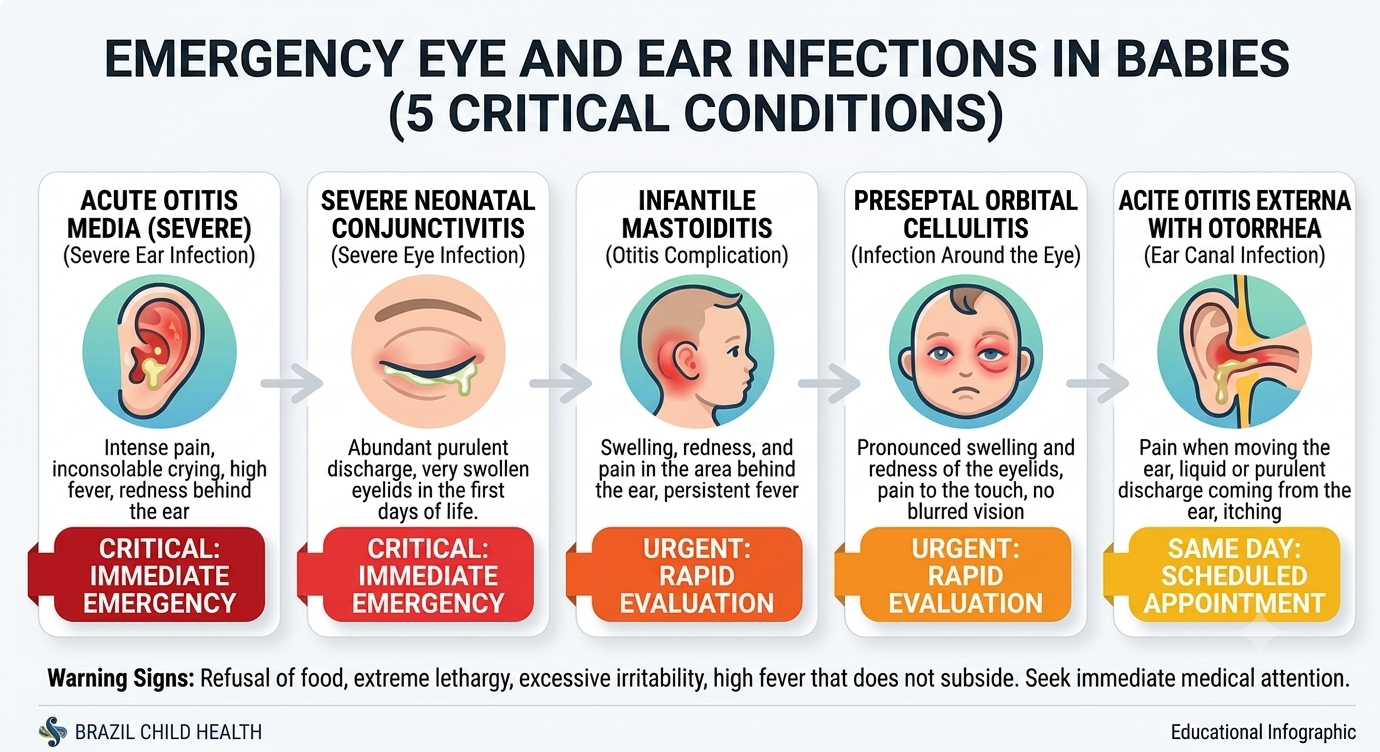
This is the moment that separates a routine infection from a true emergency, and it can happen without warning. The 5 Emergency Eye and Ear Infections in Babies covered in this guide can move from a mild symptom to permanent vision and hearing loss in babies within hours, not days. Because your baby cannot describe pain or point to what is wrong, you are the only line of defense between fast recognition and permanent damage.
This guide walks you through exactly what each of these infections looks like, how fast they progress, and the specific signs that mean it is time to stop watching and start acting.
Not sure how to bond with your baby beyond the basics? ➡️ 10 Creating Meaningful Family Traditions New Baby Ideas
Disclosure: This post contains affiliate links. If you make a purchase through these links, we may earn a small commission at no additional cost to you. This helps us keep providing free, quality content for parents everywhere.
Written by Kelly, Childcare Specialist, and Peter, Researcher and Child Development Advocate.
Table of Contents
Quick Reference: The 5 Emergency Eye and Ear Infections in Babies
| Infection | Onset Speed | Severity | Action Needed |
|---|---|---|---|
| Orbital Cellulitis | Very fast, within hours | Critical | Emergency room immediately |
| Endophthalmitis | Extremely fast | Severe | Urgent specialist care |
| Mastoiditis | Fast, over a few days | High | Hospital admission |
| Complicated Otitis Media | Fast, within a day or two | Moderate-High | Urgent pediatric care |
| Neonatal Conjunctivitis | Birth to first week | Variable | Same-day evaluation |

Why Your Baby’s Eyes and Ears Are So Easy to Infect
Your baby’s eyes and ears undergo rapid development during the first years of life, making them particularly susceptible to infections that could permanently damage these delicate structures. The immune systems protecting these sensory organs are still maturing, creating windows of vulnerability where bacterial, viral, or fungal infections can cause irreversible harm.
Infants are especially vulnerable to Emergency Eye and Ear Infections in Babies because their sensory systems are still developing. The American Academy of Pediatrics emphasizes that infant eye and ear anatomy differs significantly from adult structures.
Unlike older children, babies have immature tear ducts and eustachian tubes that do not drain effectively, along with thinner protective barriers that allow pathogens to penetrate more easily. Together, these factors make it easier for infections to escalate quickly into medical emergencies. These developmental factors mean that infections can spread rapidly and cause more severe complications than similar infections in older children or adults.
Hearing loss in infants: Additionally, babies’ small anatomical structures mean that even minor swelling or inflammation can cause significant functional impairment, blocking drainage pathways or compressing vital structures in ways that can quickly lead to serious complications.
Age-Specific Risk Factors for Eye and Ear Infections
Understanding how susceptibility to Emergency Eye and Ear Infections in Babies changes with age helps parents recognize when their infant faces heightened risk for hearing loss in infants or lasting eye damage. The developmental stage of your baby’s immune system and anatomical structures significantly influences both infection risk and severity.
Newborns (0-28 Days): Critical Vulnerability Period
Newborns face unique risks due to immature immune systems and potential exposure to pathogens during birth. This age group requires immediate medical evaluation for any concerning eye or ear symptoms.
Birth-Acquired Eye and Ear Infections in Babies: Neonatal conjunctivitis represents one of the most serious eye infections in newborns, potentially acquired from maternal genital infections during vaginal delivery. Chlamydia and gonorrhea infections can cause severe eye damage within hours if not treated immediately after birth. Standard prophylactic eye drops given at birth help prevent these dangerous complications.
Immune System Limitations: Newborns lack mature immune responses, making even mild-appearing infections potentially dangerous. During this period, these infections can rapidly progress to systemic illness affecting multiple organ systems. Maternal antibodies provide some protection, but gaps in immunity leave newborns vulnerable to specific pathogens.
Anatomical Vulnerabilities: Tear ducts in newborns often don’t fully open until several weeks after birth, creating blockages that raise the risk of infection. The eustachian tubes connecting middle ears to the throat are shorter and more horizontal than in older children, facilitating bacterial migration and increasing risk for ear infections.
Red Flag Symptoms in Newborns: Any eye discharge beyond minimal tearing, swelling of eyelids, redness of the eye white, or drainage from ears requires same-day pediatric evaluation. Don’t dismiss symptoms as normal in newborns. At this age, permanent vision and hearing loss in babies can happen within hours.
Young Infants (1-6 Months): Developing Immunity
As babies transition beyond the newborn period, their immune systems begin maturing, but significant vulnerabilities remain during this critical developmental stage.
Respiratory Infection Connections: Upper respiratory infections become more common as babies encounter environmental pathogens. These viral infections create conditions that favor secondary bacterial infections. Congestion blocks tear ducts and eustachian tubes, creating ideal environments for bacterial overgrowth.
Feeding Position Impact: Bottle-feeding in supine positions increases risk for ear infections as milk can flow back through eustachian tubes. While this doesn’t directly cause infection, it creates conditions that promote bacterial growth in the middle ear. Proper feeding positions reduce this risk.
Daycare Exposure: Infants in group care settings face dramatically increased exposure to the pathogens behind these infections. Close contact with other children facilitates transmission of viruses and bacteria that can lead to serious infections requiring emergency treatment.
Developmental Milestones: As babies begin exploring their environment through touch and bringing objects to their mouths, they encounter more pathogens that raise their risk. Hand-to-eye contact transfers bacteria that can lead to conjunctivitis and other infections.
Older Infants (6-12 Months): Peak Infection Period
The second half of the first year represents peak vulnerability for certain infections, as maternal antibodies decline before babies’ own immune systems fully mature.
Teething Complications: While teething doesn’t directly cause infection, the process creates inflammation and increased drooling that can affect eustachian tube function. Babies also tend to touch their faces more during teething, potentially introducing bacteria to eyes and ears.
Crawling and Exploration: Mobile babies encounter floor-level dirt, pet dander, and other allergens and irritants that raise infection risk. Increased environmental exposure combined with frequent hand-to-face contact creates multiple infection pathways.
Sleep Position Changes: As babies learn to roll and change positions during sleep, their drainage patterns change. Some positions promote better ear drainage while others may contribute to fluid accumulation increasing risk for ear infections.
Social Interaction Expansion: Increased interaction with siblings, relatives, and other children exposes babies to respiratory viruses that commonly precede these bacterial infections. Each viral infection creates opportunities for secondary bacterial complications.
Toddlers (12-24 Months): Persistent Vulnerabilities
Even as children approach their second birthday, anatomical and behavioral factors continue creating risk for the Emergency Eye and Ear Infections in Babies covered in this guide.
Communication Challenges: Toddlers cannot clearly communicate pain or discomfort, which makes early detection difficult. Parents must rely on behavioral changes like increased crying, sleep disruption, or decreased appetite to recognize potential infections.
Continuing Anatomical Immaturity: Eustachian tubes don’t reach adult configuration until around age 7, meaning toddlers still face elevated risks for ear infections compared to older children. Eye structures continue developing too, maintaining some vulnerability to serious complications.
Antibiotic Resistance Considerations: Toddlers with multiple prior infections may harbor antibiotic-resistant bacteria, complicating treatment of anything new that develops. This resistance pattern makes prevention through vaccination and hygiene particularly important.
Seasonal Variations: Winter months bring higher infection rates due to indoor crowding, respiratory virus circulation, and reduced ventilation. Parents should maintain extra vigilance during cold and flu season.
More information: Ear Infections in Children: Information for Parents – Health Children.org
Symptoms Checklist: Emergency or Routine?
Use this checklist to quickly sort what you’re seeing into one of two categories for Emergency Eye and Ear Infections in Babies.
Immediate Emergency (Call 911):
If you see any of these signs, do not wait, do not call the pediatrician first. Go straight to the emergency room or call 911.
- [ ] Sudden vision loss
- [ ] Eye bulging forward
- [ ] Severe swelling behind ear
- [ ] High fever with altered consciousness
- [ ] Signs of meningitis
Urgent Care (Within 2 Hours):
These signs are serious but usually give you a small window. Call your pediatrician immediately or head to urgent care within the next two hours.
- [ ] Inability to move eye normally
- [ ] Severe eye pain with fever
- [ ] Persistent ear drainage
- [ ] Facial paralysis
- [ ] Rapid symptom progression
1. Orbital Cellulitis: Vision-Threatening Emergency Eye Infection
Permanent Vision and Hearing Loss in Babies: Orbital cellulitis is one of the most dangerous forms of Emergency Eye and Ear Infections in Babies, capable of causing blindness within hours if left untreated. Parents often mistake early signs for simple conjunctivitis, which delays proper treatment.
Recognizing the Progression: Orbital cellulitis typically begins with symptoms that may resemble simple conjunctivitis or a stye, including redness, swelling, and discharge. However, the condition rapidly progresses to involve deeper tissues, causing severe swelling that can completely close the eye, restriction of eye movement, and protrusion of the eyeball.
Critical Warning Signs: Key indicators include swelling that extends beyond the eyelid to involve the entire eye area, inability to move the eye normally in all directions, double vision, decreased vision, fever, and severe pain with eye movement. The affected eye may appear to bulge forward, and the child may seem systemically ill with high fever and lethargy.
Complications and Urgency: Untreated orbital cellulitis can lead to permanent vision loss, brain abscess, meningitis, and death. The infection can spread along nerve pathways to reach the brain, creating life-threatening complications within hours. Immediate hospitalization with intravenous antibiotics and sometimes surgical drainage is essential.
Risk Factors: Children with recent sinus infections, dental infections, or upper respiratory infections face higher risks. The condition can also develop following minor injuries around the eye or from spread of more superficial skin infections.
Proper newborn hygiene practices
2. Endophthalmitis: Critical Eye Infection Emergency in Babies
Permanent Vision and Hearing Loss in Babies: Endophthalmitis involves infection inside the eyeball itself, affecting the vitreous humor and potentially destroying all vision in the affected eye if not treated within hours of onset. This condition represents a critical eye infection requiring immediate specialist intervention.
Clinical Presentation: Symptoms include severe eye pain, significant vision loss, redness, swelling, and sometimes a white or yellow appearance in the pupil. Babies may show extreme irritability, refusing to open the affected eye, and may have fever and signs of systemic illness.
Causes in Infants: Endophthalmitis can result from penetrating eye injuries, spread of infection from other parts of the body through the bloodstream, or rarely as a complication of eye procedures. In newborns, it may develop from infections acquired during birth.
Treatment Urgency: Treatment requires immediate injection of antibiotics directly into the eye, often combined with surgical removal of infected material. Delays of even a few hours can result in complete and permanent vision loss in the affected eye.
Prevention: Any eye injury, sudden vision changes, or severe eye pain requires immediate medical evaluation. Parents should never dismiss sudden changes in an infant’s visual behavior or appearance of the eye.
3. Mastoiditis: Hearing-Threatening Emergency Ear Infection
Mastoiditis represents a severe complication of ear infections and is classified among the most urgent Emergency Eye and Ear Infections in Babies because it can lead to hearing loss, facial paralysis, or even brain infections.
Progression from Otitis Media: Mastoiditis typically develops as a complication of acute otitis media when infection spreads from the middle ear to the mastoid air cells in the bone behind the ear. The condition is more common in children under 2 years old due to their immature immune systems and anatomical factors.
Recognizing Mastoiditis: Key signs include swelling, redness, and tenderness behind the ear, with the ear appearing to stick out from the head. Children may have fever, irritability, hearing loss in infants, and discharge from the ear. The area behind the ear may feel warm and appear inflamed.
Serious Complications: Untreated mastoiditis can lead to hearing loss in infants, facial nerve paralysis, brain abscess, meningitis, and potentially fatal complications. The infection can spread along bone and soft tissue planes to reach critical structures in the head and neck.
Emergency Treatment: Mastoiditis requires immediate hospitalization with intravenous antibiotics and often surgical drainage of the infected mastoid bone. Early treatment is crucial for preventing hearing loss in infants and life-threatening complications.
4. Acute Otitis Media: Complicated Emergency Ear Infection
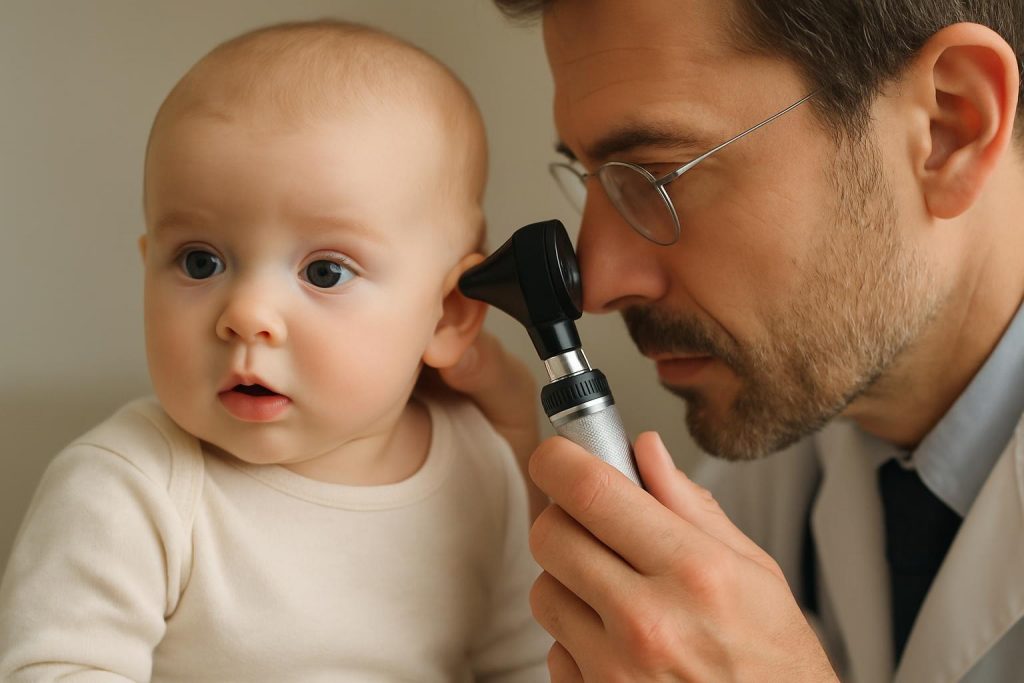
While most ear infections in children are relatively benign, certain presentations of acute otitis media can quickly progress to serious complications, including hearing loss in infants, that require emergency intervention.
Suppurative Complications: These include tympanic membrane perforation with persistent drainage, formation of abscesses in the ear canal or surrounding tissues, and spread of infection to adjacent structures. Children may show severe pain, high fever, and systemic signs of illness.
Intracranial Complications: Rare but serious complications include brain abscess, meningitis, and venous sinus thrombosis. Warning signs include severe headache, altered mental status, seizures, focal neurological deficits, and signs of increased intracranial pressure.
Facial Nerve Paralysis: Infection can compress or damage the facial nerve as it passes through the middle ear, causing facial weakness or paralysis. This complication requires immediate medical attention to prevent permanent nerve damage.
Treatment Considerations: A complicated ear infection like this often requires hospitalization, intravenous antibiotics, and sometimes surgical intervention to drain infected material and relieve pressure on vital structures.
Learn more: The Diagnosis and Management of Acute Otitis Media – AAP (American Academy of Pediatrics)
Preseptal vs. Orbital Cellulitis: Critical Differentiation
Distinguishing between preseptal cellulitis (infection of tissues in front of the orbital septum) and orbital cellulitis (infection behind the septum) is crucial because treatments and outcomes differ dramatically.
Preseptal Cellulitis: This involves infection of the eyelid and surrounding skin but doesn’t affect deeper orbital structures. While concerning, it typically responds well to oral antibiotics and doesn’t threaten vision or life.
Orbital Cellulitis Indicators: Signs that suggest orbital rather than preseptal involvement include restriction of eye movement, pain with eye movement, double vision, decreased vision, and proptosis (eye bulging forward). These findings indicate a critical eye infection requiring immediate emergency care.
Imaging Requirements: CT scanning is often necessary to distinguish between these conditions and assess the extent of infection. This imaging helps guide treatment decisions and identify complications like abscess formation.
Treatment Differences: Preseptal cellulitis may be treated with oral antibiotics on an outpatient basis, while orbital cellulitis requires immediate hospitalization with intravenous antibiotics and close monitoring for complications.
5. Neonatal Conjunctivitis: Newborn Emergency Eye Infection
Conjunctivitis in newborns can be caused by various pathogens acquired during birth, some of which can cause permanent vision loss if not treated immediately.
Gonococcal Conjunctivitis: This bacterial infection can cause rapid corneal perforation and permanent vision loss within days if not treated with immediate systemic antibiotics. The condition presents with severe purulent discharge and significant eyelid swelling.
Chlamydial Conjunctivitis: While typically less acute than gonococcal infection, chlamydial conjunctivitis can cause chronic inflammation and scarring if not properly treated. It may also be associated with pneumonia in newborns.
Chemical Conjunctivitis: Caused by prophylactic eye drops given at birth, this condition is typically mild and self-limiting but must be distinguished from infectious causes.
Treatment Protocols: Newborn conjunctivitis requires immediate evaluation and often systemic antibiotic treatment, especially when bacterial causes are suspected. Topical antibiotics alone are insufficient for serious bacterial infections.
Chronic Otitis Media with Effusion: The Silent Hearing Threat
Unlike the Emergency Eye and Ear Infections in Babies covered above, chronic fluid accumulation in the middle ear is not typically urgent, but it can cause significant hearing loss during critical periods of speech and language development.
Hearing Loss Impact: Persistent fluid in the middle ear causes conductive hearing loss in infants that can interfere with normal speech and language development.
Recognition Challenges: Unlike acute ear infections, chronic effusion often causes minimal pain, making it difficult for parents to recognize. Children may show delayed speech development, behavioral problems, or academic difficulties.
Treatment Considerations: Chronic effusion may require surgical intervention with tympanostomy tube placement to restore normal hearing and prevent developmental delays.
Monitoring Requirements: Children with chronic ear problems require regular hearing assessments and developmental monitoring to ensure normal progress in speech and language skills.
When to Seek Immediate Care for Eye or Ear Problems
Immediate Emergency Signs: Call 911 (in USA) or go to the emergency room immediately for sudden vision loss, severe eye pain with vision changes, signs of orbital cellulitis, suspected endophthalmitis, or any signs of intracranial complications from ear infections.
Urgent Medical Attention: Seek prompt medical care for persistent ear drainage, signs of mastoiditis, facial paralysis, severe headache with ear infection, or any rapid worsening of eye or ear symptoms.
Same-Day Evaluation: Contact your pediatrician immediately for newborn conjunctivitis, eye injuries, hearing loss in infants, or any concerning changes in your child’s vision or hearing.
Daily Habits That Lower Your Baby’s Infection Risk
Infection Prevention: Maintain good hygiene, avoid touching eyes with unwashed hands, and seek prompt treatment for upper respiratory infections that could spread to eyes or ears.
Vaccination Benefits: Stay current with recommended vaccinations, including pneumococcal and Haemophilus influenzae vaccines, which can prevent many serious ear and eye infections.
Environmental Factors: Avoid exposure to cigarette smoke, which increases the risk of ear infections, and protect children from eye injuries during play and activities.
Regular Monitoring: Establish regular pediatric care relationships and don’t hesitate to seek evaluation for concerning eye or ear symptoms.
Understanding these 5 emergency eye and ear infections in babies can mean the difference between swift recovery and permanent complications.
Treatment Approaches for Eye and Ear Emergencies
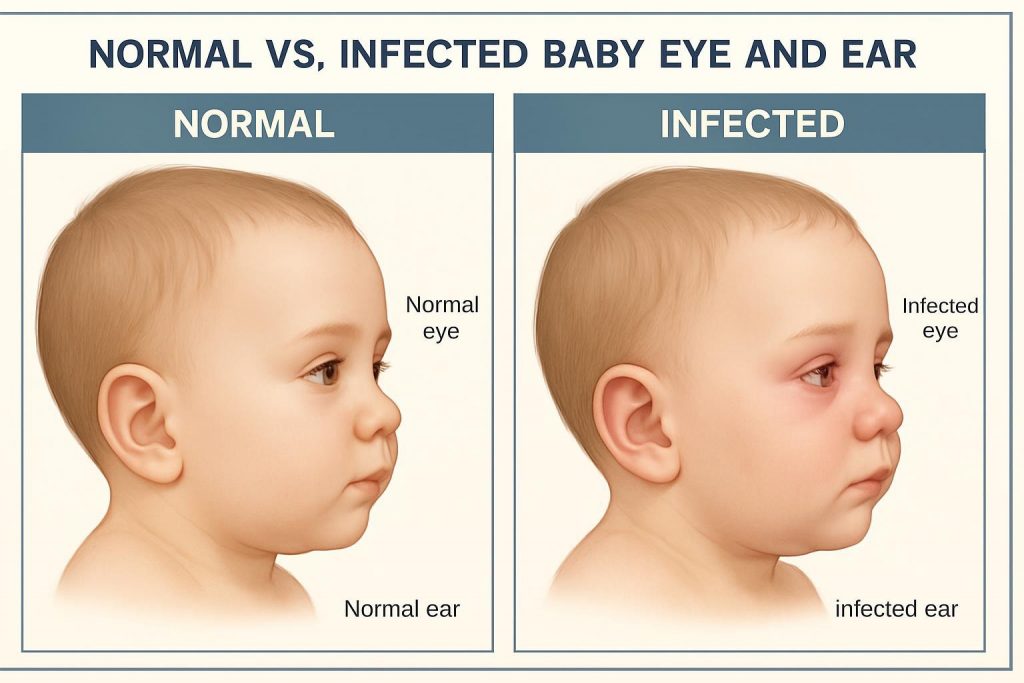
Understanding treatment protocols for a critical eye infection or a severe ear emergency helps parents navigate this challenging experience while knowing what to expect during healing.
Emergency Treatment Protocols for Severe Eye and Ear Infections in Babies
When babies present with an infection severe enough to risk permanent vision and hearing loss in babies, treatment typically follows aggressive protocols designed to prevent permanent damage while addressing active infections.
Intravenous Antibiotic Therapy: Conditions like orbital cellulitis, endophthalmitis, and mastoiditis require hospitalization with intravenous antibiotics. These infections demand immediate high-dose antibiotics delivered directly into the bloodstream to achieve therapeutic levels quickly enough to prevent permanent damage.
Treatment typically continues for 48-72 hours intravenously before transitioning to oral antibiotics if clinical improvement occurs. Total antibiotic duration often extends 10-14 days to ensure complete eradication of infection and prevent recurrence or complications.
Surgical Interventions: Some of these infections require surgical drainage or decompression procedures. Mastoiditis may need mastoidectomy to remove infected bone. Orbital abscesses require surgical drainage. Endophthalmitis necessitates vitreous tap and injection of antibiotics directly into the eye.
These procedures, while serious, can save vision and hearing when performed promptly. Recovery from surgical interventions typically requires several weeks of careful monitoring and may include restrictions on activities that could stress healing tissues.
Monitoring Requirements: Babies hospitalized for these infections need frequent assessments, including visual acuity testing when possible, ophthalmologic exams, hearing evaluations, and neurological monitoring for signs of intracranial complications. Parents should expect multiple daily examinations during acute treatment phases.
Outpatient Treatment for Non-Emergency Infections
While not every case of Emergency Eye and Ear Infections in Babies requires hospitalization, even outpatient treatment demands careful attention to protocols and follow-up to ensure complete resolution without complications.
Oral Antibiotic Regimens: Simple bacterial infections typically respond to oral antibiotics prescribed for 7 to 10 days. Common medications include amoxicillin, amoxicillin-clavulanate, or cephalosporins depending on suspected pathogens and local resistance patterns.
Parents must complete the full antibiotic course even if symptoms improve after a few days. Premature discontinuation allows surviving bacteria to multiply, potentially creating antibiotic-resistant strains that make future infections harder to treat.
Topical Medications for Eye Infections: Bacterial conjunctivitis and other superficial eye infections may respond to antibiotic eye drops or ointments. Parents must learn proper administration techniques ensuring medications reach infected tissues. Gentle cleaning of discharge before applying medications improves effectiveness.
Viral conjunctivitis requires supportive care only, as antibiotics don’t treat viral infections. However, distinguishing bacterial from viral eye infections requires professional evaluation, so never assume eye discharge is viral without medical confirmation.
Pain Management Strategies: These infections cause significant discomfort that interferes with eating and sleeping. Age-appropriate doses of acetaminophen or ibuprofen help manage pain and reduce fever. Warm compresses can soothe affected areas but should not replace medical treatment.
Recovery Timeline for Eye and Ear Infections in Babies
Parents navigating this recovery process benefit from understanding typical patterns and knowing when slower-than-expected improvement warrants additional medical evaluation.
Acute Symptom Resolution: Most bacterial infections show improvement within 48 to 72 hours of starting appropriate antibiotics. Fever typically resolves within 1-2 days. Eye discharge or ear drainage decreases noticeably. Pain and irritability improve as inflammation subsides.
However, complete resolution takes longer. Eye redness may persist for 1-2 weeks. Middle ear fluid from ear infections can persist for months after acute infection resolves. Parents should maintain realistic expectations about healing timelines.
Hearing Recovery After Ear Infections: Fluid accumulation in middle ears commonly persists for weeks to months after ear infection treatment completes. This causes temporary conductive hearing loss in infants that typically resolves as fluid gradually drains. However, persistent fluid beyond 3 months may require ENT specialist evaluation and possible tube placement.
Parents should monitor speech development carefully after any infection that affects hearing, as prolonged impairment during critical language periods can impact communication skills.
Vision Recovery After Eye Infections: Most superficial eye infections resolve completely without lasting vision impact. However, severe infections like endophthalmitis or complications from orbital cellulitis may cause permanent vision changes. Regular follow-up ophthalmology examinations help identify any lasting visual deficits requiring intervention.
Long-Term Monitoring for Permanent Vision and Hearing Loss in Babies
Babies who survive a serious infection like this need ongoing monitoring to catch early signs of lasting damage before it affects development.
Hearing Assessment Schedules: Children with history of serious ear infections or mastoiditis require regular hearing evaluations to ensure normal auditory function. Early detection of hearing loss in infants allows prompt intervention with hearing aids or other technologies supporting normal language development.
Ophthalmologic Follow-Up: Babies who experience orbital cellulitis, endophthalmitis, or other serious infections need periodic vision screening to identify problems like amblyopia, or lazy eye, developing from unequal vision between eyes. Early detection of vision problems during critical visual development periods allows effective treatment.
Developmental Monitoring: Any sensory impairment from these infections can affect overall development. Regular developmental screening helps identify delays in speech, language, motor skills, or social development that may relate to visual or hearing deficits. Early intervention services address delays before they significantly impact long-term outcomes.
Preventing Recurrent Eye and Ear Infections in Babies
Babies who experience one of these emergencies face increased risk of recurrence. Understanding prevention strategies helps break this cycle and protect developing sensory systems.
Prophylactic Interventions: Children with recurrent ear infections may benefit from prophylactic antibiotics or surgical tube placement preventing future episodes. While controversial, these interventions can reduce infection frequency and protect hearing during critical developmental periods.
Environmental Modifications: Eliminating smoke exposure, minimizing daycare attendance during peak respiratory virus season, maintaining current vaccinations, and ensuring adequate nutrition all help reduce the risk of recurrence.
Immune System Support: Breastfeeding provides antibodies protecting against infections. Adequate sleep, proper nutrition, and minimizing stress support healthy immune function, reducing susceptibility to recurrent infections.
Feeling like motherhood erased who you were before? ➡️ Finding Life Purpose Through Motherhood: 7 Powerful Ways It Changes You
Conclusion
The 5 infections covered in this post share one critical characteristic: they all move faster than most parents expect. What looks like a swollen eyelid in the morning can become orbital cellulitis by afternoon. What feels like a routine ear infection can develop into mastoiditis within days. The window for preventing permanent damage is real, and it is often measured in hours rather than weeks.
You do not need to memorize every medical term in this guide. What you need is the ability to recognize when something is escalating beyond the ordinary, and the confidence to act on that recognition without waiting to see if it improves on its own. When in doubt, call. When the symptoms in this post appear, go. Your baby’s vision and hearing are too important to watch and wait.
Looking for comprehensive guidance on caring for your baby? Our book ‘How to Care for Children: From Birth to Age 2’ combines professional childcare expertise with evidence-based child development research. Written by Kelly and Peter, this guide provides clear, reliable advice rooted in real-world childcare. Available in English, Spanish, and Portuguese on Amazon.
Click the link below your preferred language to get your copy!




1. How can I tell if my baby has an eye infection?
Look for red or swollen eyes, yellow or green discharge, frequent rubbing, excessive tearing, or sensitivity to light. Emergency signs include severe swelling beyond the eyelid, inability to move the eye normally, eyeball bulging, sudden vision changes, or high fever with eye symptoms, which point to a critical eye infection needing immediate emergency care. Simple conjunctivitis, by contrast, causes mild redness and discharge without affecting eye movement.
2. What are the warning signs of an ear infection in babies?
Common signs include frequent ear tugging, crying during feeding or lying down, trouble sleeping, fever, and fluid draining from the ear. Emergency signs include swelling or tenderness behind the ear, facial weakness, severe headache, or rapid symptom progression, which can point to mastoiditis and require immediate medical attention to prevent hearing loss in infants.
3. Are Emergency Eye and Ear Infections in Babies Dangerous?
Yes, certain infections in this guide, like orbital cellulitis and endophthalmitis, can cause permanent vision or hearing loss within hours if left untreated. Most simple eye and ear infections, however, respond well to standard treatment when caught early. The key is recognizing which symptoms point to an emergency versus a routine infection, which is exactly what the checklist above helps you do.
4. Can I treat my baby’s infection at home?
No. Only a pediatrician can provide the correct diagnosis and treatment, which may include antibiotics, ear drops, or emergency care. Never put breast milk, homeopathic remedies, or over-the-counter drops in your baby’s eyes or ears without medical guidance, since even minor-appearing infections can mask something serious. Call your pediatrician for any discharge, drainage, or fever, and seek emergency care immediately for severe swelling, vision changes, or swelling behind the ear.
5. How Can I Prevent Emergency Eye and Ear Infections in Babies?
Good hygiene is essential: wash your hands before touching your baby’s face, sterilize feeding equipment and pacifiers, and avoid cigarette smoke exposure. Keep vaccinations current, including pneumococcal and Haemophilus influenzae, and breastfeed when possible, since breast milk provides protective antibodies. Never share towels or eye drops between family members, and if an infection does occur, complete the full antibiotic course to prevent recurrence and resistance.
