

Vaccines play a vital role in protecting your baby from serious illnesses. Following a proper vaccination schedule helps build your child’s immunity from an early age, making them less likely to contract preventable diseases. Health organizations worldwide, including the CDC and WHO, strongly recommend that all parents stick to the recommended vaccination schedule from birth.
Many vaccines are time-sensitive, meaning they work best when given at specific ages. The vaccination schedule is carefully designed by health experts to protect your child at just the right time. Skipping or delaying vaccines can leave your baby exposed to dangerous infections like measles, whooping cough, and polio.
One of the most important reasons to follow the vaccination schedule is community protection, also known as herd immunity. When most children follow their vaccination schedules, it helps protect those who are too young or medically unable to receive vaccines.
The vaccination schedule may seem overwhelming at first, but your pediatrician will guide you every step of the way. It’s helpful to keep a vaccination record and ask your doctor questions if you have concerns. Many parents find peace of mind knowing their baby is protected through a trusted vaccination schedule.
By understanding the importance of a timely vaccination schedule, you are giving your baby a healthy head start in life. Always check with your local health provider or pediatrician to ensure your child stays on track.
Immunization Timeline: The Science Behind Vaccination Timing and Effectiveness

The carefully orchestrated vaccination schedule recommended by the Centers for Disease Control and Prevention (CDC) isn’t arbitrary it’s the result of decades of meticulous research analyzing when babies’ immune systems can respond optimally to vaccines while providing protection before likely disease exposure.
During pregnancy, mothers pass antibodies to their babies through the placenta, providing temporary protection against many diseases. However, this maternal immunity gradually wanes during the first 6-12 months of life, creating a critical window where babies become increasingly vulnerable to serious infections. The vaccination schedule is precisely timed to bridge this gap, stimulating active immunity as passive protection diminishes.
Research published in the Journal of the American Medical Association demonstrates that following the recommended schedule provides 95-99% protection against most vaccine-preventable diseases. Delays or deviations from this schedule can leave children vulnerable during critical developmental periods when infections can cause permanent damage or death.
Read more: Essential Vaccination Schedule to Keep Your Baby Healthy and ProtectedVaccines, Vaccinations & Immunizations – American Medical Association
Immunizations – American Academy Pediatrics
Newborn Vaccination Plan – Birth to 2 Months: Foundation of Protection
Hepatitis B Vaccine (First Dose at Birth): This vaccine protects against a virus that can cause lifelong liver damage, cirrhosis, and liver cancer. Babies born to infected mothers have a 90% chance of developing chronic hepatitis B without vaccination. The vaccine is remarkably safe and effective, with serious adverse reactions occurring in less than one in a million doses.
2-Month Vaccinations – The Critical First Round: At two months, babies receive their first comprehensive immunization round, including vaccines against five major disease categories that pose the greatest threats to infant health.
Rotavirus Vaccine: Protects against severe diarrhea and dehydration that hospitalizes thousands of infants annually. Before this vaccine’s introduction, rotavirus caused approximately 400,000 doctor visits and 55,000-70,000 hospitalizations yearly in the United States alone.
DTaP (Diphtheria, Tetanus, Pertussis): This combination vaccine protects against three potentially fatal diseases. Pertussis (whooping cough) is particularly dangerous in infants, causing severe coughing fits that can prevent breathing and lead to brain damage or death. The vaccine has reduced pertussis cases by over 99% since its introduction.
Haemophilus influenzae type b (Hib): Before this vaccine, Hib was the leading cause of bacterial meningitis in children under 5, often resulting in permanent brain damage, hearing loss, or death. The vaccine has virtually eliminated this threat, reducing cases by 99%.
Pneumococcal Conjugate Vaccine (PCV13): Protects against 13 strains of pneumococcal bacteria responsible for pneumonia, meningitis, and bloodstream infections. These infections are particularly dangerous in young children, whose immune systems cannot effectively fight these bacteria.
Inactivated Polio Vaccine (IPV): While polio has been eliminated from the United States, maintaining immunity through vaccination prevents reintroduction and protects children during international travel.
4 to 6 Months: Building Robust Immunity
The second and third rounds of vaccinations at 4 and 6 months continue building immunity through carefully timed boosters. Multiple doses are essential because infant immune systems require repeated exposure to develop strong, lasting protection.
During this period, babies also receive the third dose of hepatitis B, completing the primary series that provides lifelong protection against this potentially devastating liver infection. The timing ensures optimal immune response while babies still have some maternal antibodies present.
12 to 23 Months: Advanced Protection Phase
MMR Vaccine (Measles, Mumps, Rubella) at 12-15 Months: These three diseases can cause serious complications including brain damage, deafness, pneumonia, and death. Measles is so contagious that 90% of unvaccinated people exposed to the virus will become infected. The vaccine provides 97% protection after two doses.
Varicella (Chickenpox) Vaccine: While chickenpox was once considered a normal childhood experience, it can cause serious complications including pneumonia, brain inflammation, and severe bacterial infections of the skin. The vaccine prevents these risks while eliminating the discomfort and potential scarring associated with the disease.
Hepatitis A Vaccine: Protects against a liver infection that can cause prolonged illness, particularly dangerous for young children. Two doses provide long-lasting immunity against this highly contagious virus.
Fourth Doses of DTaP, Hib, PCV13, and IPV: These booster doses ensure continued protection as maternal antibodies completely disappear and children become more mobile and exposed to potential infections.

Pediatric Immunization Safety: Addressing Common Vaccination Concerns and Myths
Vaccine Safety and Side Effects: Vaccines undergo more rigorous safety testing than any other medical product. The Vaccine Adverse Event Reporting System (VAERS) and Vaccine Safety Datalink continuously monitor vaccine safety, analyzing data from millions of doses administered annually. Serious adverse reactions are extremely rare, occurring in fewer than one in a million doses for most vaccines.
The Autism Myth: Extensive research involving over 1.2 million children has found absolutely no link between vaccines and autism. The original study suggesting this connection was fraudulent and has been thoroughly debunked by the medical community. The timing of autism diagnosis often coincides with vaccination schedules, creating the false impression of causation.
“Too Many Vaccines” Concern: Children’s immune systems encounter thousands of antigens daily through normal environmental exposure. The antigens in vaccines represent a tiny fraction of this natural exposure. Studies show that children can safely handle far more antigens than contained in the entire vaccination schedule.
Natural Immunity vs. Vaccination: While natural infection may provide strong immunity, the risks far outweigh any benefits. Diseases like measles, pertussis, and pneumonia can cause permanent disability or death, while vaccines provide protection without these dangerous complications.
Modern vaccines contain carefully selected ingredients that work together to stimulate immune response safely and effectively. Each component serves a specific purpose in ensuring vaccine safety, stability, and efficacy. Understanding these ingredients helps parents make informed decisions about their children’s health.
Antigens represent the active ingredient in vaccines, either weakened live viruses, inactivated viruses, or specific protein fragments from disease-causing organisms. These antigens trigger the immune system to produce protective antibodies without causing the actual disease. The amount of antigen in vaccines is precisely calibrated to generate strong immunity while minimizing side effects.
Adjuvants enhance immune response, allowing vaccines to use smaller amounts of antigen while achieving robust protection. Aluminum salts, used safely in vaccines for over 70 years, are the most common adjuvants. Babies receive far less aluminum from vaccines than from breast milk or formula during their first year of life, and research confirms these trace amounts pose no health risks.
Preservatives prevent bacterial or fungal contamination in multi-dose vaccine vials, ensuring safety when vaccines are stored and used over time. Thimerosal, a mercury-based preservative, has been removed from all childhood vaccines except some flu vaccine formulations due to parental concerns, though extensive research found no safety issues with its use.
Stabilizers like gelatin, sugars, or amino acids prevent vaccine components from breaking down during storage and transportation. These ingredients maintain vaccine potency from manufacturing through administration, ensuring children receive full protection from every dose.
Managing Vaccine Reactions and Side Effects
Most vaccine side effects are mild and temporary, resolving within a few days without treatment. Understanding what to expect helps parents distinguish between normal reactions and rare situations requiring medical attention, reducing anxiety and ensuring appropriate care.
Common reactions include mild fever, fussiness, decreased appetite, injection site redness or swelling, and temporary drowsiness. These symptoms indicate the immune system is responding appropriately to the vaccine, building protection against serious diseases. Acetaminophen or ibuprofen can relieve discomfort when needed, though check with your pediatrician about appropriate dosing.
Moderate reactions occasionally occur, including fever above 102°F, significant injection site swelling, or prolonged crying. While concerning for parents, these reactions typically resolve without complications. Contact your healthcare provider if symptoms persist beyond 48 hours or worsen rather than improve.
Severe allergic reactions are extremely rare, occurring in approximately one in a million doses. Signs include difficulty breathing, facial swelling, rapid heartbeat, dizziness, or hives covering the body. These reactions typically occur within minutes to hours after vaccination, which is why healthcare providers ask families to remain at the clinic for 15 minutes following immunizations.
Parents can minimize discomfort by breastfeeding immediately before or after vaccination, which provides comfort and pain relief. Distraction techniques like singing, talking, or showing interesting objects help babies focus on something other than the brief injection. Applying cool compresses to injection sites reduces swelling and soreness.
Catch-Up Vaccination Schedules for Delayed Immunizations
Life circumstances sometimes prevent children from receiving vaccines on the standard schedule. Whether due to illness, access barriers, parental hesitancy, or other factors, catch-up vaccination schedules ensure children receive necessary protection regardless of delays.
The CDC provides detailed catch-up schedules specifying minimum intervals between vaccine doses based on age and previous vaccination history. These schedules balance the urgency of providing protection with immunological principles governing optimal immune response to multiple doses.
Children who fall behind don’t need to restart vaccine series from the beginning. Each dose counts toward completion, and healthcare providers determine which vaccines are needed based on current age and immunization history. This approach ensures children receive necessary protection efficiently without unnecessary additional doses.
Accelerated catch-up schedules use minimum intervals between doses rather than recommended intervals when urgent protection is needed, such as before international travel or during disease outbreaks. While longer intervals between doses sometimes produce stronger immune responses, minimum intervals still provide adequate protection when time is critical.
Parents should prioritize catching up on vaccines protecting against diseases with immediate risk based on the child’s age, health status, and community disease prevalence. Your pediatrician can help develop a personalized catch-up plan that provides maximum protection as quickly as safely possible.
The Role of Booster Shots in Maintaining Long-Term Immunity
Immunity from some vaccines wanes over time, requiring booster doses to maintain protection throughout childhood and beyond. Understanding why boosters are necessary helps parents recognize their importance in long-term disease prevention.
The immune system has two memory components: short-term antibody production and long-term cellular memory. Initial vaccine doses create both types of immunity, but antibody levels naturally decline over months to years. Booster doses restimulate cellular memory, triggering rapid antibody production that provides continued protection.
Some vaccines require multiple doses because infant immune systems need repeated exposure to build strong, lasting immunity. This isn’t a vaccine failure, but rather reflects normal immune system development in young children whose immune systems are still maturing.
The DTaP vaccine series exemplifies the importance of boosters. Children receive five doses between 2 months and 6 years, with each dose strengthening immunity against diphtheria, tetanus, and pertussis. Additional boosters in adolescence and adulthood maintain protection throughout life, as immunity to these diseases doesn’t last indefinitely even after multiple doses.
Research continually evaluates optimal booster timing to maximize protection while minimizing unnecessary doses. Current booster schedules reflect extensive study of immunity duration and disease risk, providing evidence-based protection throughout critical developmental periods.
Baby Vaccines Guide: International Travel and Special Considerations
Children traveling internationally may need additional vaccines beyond the standard schedule. Diseases like yellow fever, Japanese encephalitis, and typhoid remain common in many parts of the world. Consult your pediatrician at least 4-6 weeks before international travel to ensure appropriate protection.
Children with chronic conditions like asthma, diabetes, or immune system disorders may need modified vaccination schedules or additional vaccines. These children are at higher risk for complications from vaccine-preventable diseases, making immunization even more critical.
Read more: Essential Vaccination Schedule to Keep Your Baby Healthy and ProtectedCDC – Vaccines & Immunizations
Maintaining Vaccination Records and Ensuring Compliance
Keep detailed vaccination records including dates, vaccine types, lot numbers, and healthcare provider information. Many states require proof of vaccination for school enrollment, and records may be needed for camp registration, college admission, or international travel.
Digital vaccination records are becoming increasingly available, providing secure, accessible documentation of immunization history. Ask your healthcare provider about electronic record options in your area.
If you fall behind on the vaccination schedule, don’t restart your pediatrician can determine which vaccines are needed to catch up safely. Catch-up schedules ensure children receive necessary protection regardless of delays.
Common Vaccination Schedule Mistakes Parents Must Avoid
Understanding potential pitfalls in following the vaccination schedule helps parents provide optimal protection while avoiding delays or complications that could compromise their baby’s health.
Practical Strategies for Managing Your Baby’s Vaccination Schedule
Successfully navigating the vaccination schedule requires organization, planning, and proactive communication with healthcare providers. These practical strategies help parents ensure their children receive timely, complete immunization protection.
Creating a Vaccination Schedule Tracking System
Establish a comprehensive vaccination schedule tracking method from your baby’s first immunization appointment. Request a printed vaccination schedule card that lists all recommended vaccines and their timing. Keep this card in a dedicated location like your child’s baby book or a medical documents folder. Photograph your vaccination schedule card after each appointment and store digital copies in cloud storage as backup.
Many pediatric offices provide vaccination schedule reminder cards for upcoming appointments. Place these reminders immediately into your calendar with alerts set for one week and one day before each vaccination schedule appointment. This redundant reminder system ensures vaccination schedule appointments don’t get forgotten among busy parenting responsibilities.
Consider using vaccination schedule tracking apps designed specifically for monitoring immunization timelines. These apps typically include the complete recommended vaccination schedule, send push notifications for upcoming appointments, and maintain digital vaccination schedule records accessible from your phone. Popular options integrate with healthcare systems, automatically updating when your child receives vaccines according to the vaccination schedule.
Preparing Your Baby for Vaccination Schedule Appointments
Vaccination schedule appointments go more smoothly when babies are well-rested, fed, and comfortable. Schedule vaccination schedule visits during times when your baby is typically in good spirits rather than during usual nap times. Feed your baby shortly before vaccination schedule appointments (unless otherwise instructed) so they’re content rather than hungry and fussy.
Bring comfort items like favorite toys, blankets, or pacifiers to vaccination schedule appointments. These familiar objects help babies feel secure during the brief discomfort of vaccine administration. After vaccination schedule appointments, plan calm activities rather than stressful errands, allowing time for extra cuddles and comfort if your baby seems fussy.
Dress your baby in easily removable clothing for vaccination schedule visits. Vaccines are typically administered in the thigh for infants, so outfits that allow easy access simplify the process and reduce time your baby spends undressed and potentially uncomfortable.
Communicating Effectively About the Vaccination Schedule
Maintain open dialogue with your pediatrician about the vaccination schedule. Before each appointment, review which vaccines are scheduled and prepare any questions you have about the vaccination schedule. Don’t hesitate to ask why specific vaccines are recommended at particular ages within the vaccination schedule, how vaccines work, or what side effects might occur.
If your family situation changes (new health insurance, moving to a different state, international travel plans), inform your pediatrician immediately to ensure your child’s vaccination schedule remains appropriate. These life changes can affect vaccination schedule requirements or coverage, and early communication prevents gaps in protection.
Keep grandparents, childcare providers, and other caregivers informed about your baby’s vaccination schedule. They should know when recent vaccines were administered and what minor side effects might occur, ensuring appropriate responses if babies seem slightly fussy or develop low-grade fevers after vaccination schedule appointments.
Handling Vaccination Schedule Disruptions
Life inevitably creates situations that disrupt carefully planned vaccination schedules: illness, family emergencies, insurance changes, or doctor availability issues. When the vaccination schedule gets disrupted, contact your pediatrician’s office promptly to reschedule rather than letting weeks pass. Most vaccination schedule delays of a few days or even weeks can be accommodated without restarting vaccine series.
If you’ve significantly fallen behind on the vaccination schedule, don’t feel embarrassed to contact your healthcare provider. Pediatricians regularly help families develop catch-up vaccination schedules that safely bring children up to date on immunizations. The sooner you resume the vaccination schedule after delays, the sooner your child regains full protection against preventable diseases.
Document reasons for any vaccination schedule delays in your child’s records. This information helps healthcare providers understand context when reviewing immunization history and ensures appropriate modifications to the vaccination schedule if needed.
Delaying the Vaccination Schedule Due to Internet Misinformation
One of the most dangerous mistakes parents make involves modifying the vaccination schedule based on unreliable internet sources rather than consulting qualified healthcare providers. The scientifically designed vaccination schedule represents consensus among thousands of pediatric infectious disease specialists, immunologists, and public health experts. Alternative vaccination schedules promoted on social media or anti-vaccine websites lack scientific validation and can leave children vulnerable during critical developmental periods.
Parents who delay the vaccination schedule based on online misinformation often believe they’re protecting their children, when in reality they’re increasing risk. The recommended vaccination schedule has been refined over decades to provide protection at precisely the right moments when babies need immunity but can still safely respond to vaccines. Deviations from this vaccination schedule create gaps in protection that diseases can exploit.
Missing Follow-Up Doses in the Vaccination Schedule
Many vaccines require multiple doses spaced at specific intervals to build complete immunity. Parents sometimes mistakenly believe that starting the vaccination schedule provides adequate protection, neglecting crucial booster doses. The vaccination schedule includes multiple doses of vaccines like DTaP, rotavirus, and pneumococcal because single doses don’t provide sufficient immunity in young children.
Skipping booster appointments disrupts the vaccination schedule’s carefully calibrated timing. Each dose builds upon previous ones, creating progressively stronger immune responses. When parents fail to complete the full vaccination schedule series, children may have inadequate protection despite receiving initial doses. This incomplete adherence to the vaccination schedule creates false confidence while leaving children vulnerable to preventable diseases.
Combining Medical Procedures Without Consulting the Vaccination Schedule
Some parents attempt to “bundle” medical appointments, requesting vaccines outside the recommended vaccination schedule timeline to minimize office visits. While convenience matters, the vaccination schedule timing exists for important medical reasons. Vaccines given too early may not produce adequate immune responses because babies’ immune systems aren’t developmentally ready. Vaccines given too late leave children unprotected during vulnerable periods.
The vaccination schedule spacing also considers how multiple vaccines interact when given together. The recommended vaccination schedule has been extensively tested to ensure that simultaneous administration of vaccines doesn’t overwhelm immune systems or reduce effectiveness. Arbitrary modifications to the vaccination schedule timing can compromise these carefully validated safety profiles.
Failing to Communicate Concerns About the Vaccination Schedule
Parents sometimes harbor worries about the vaccination schedule but avoid discussing concerns with healthcare providers, either feeling embarrassed about questions or fearing judgment. This silence leads to anxiety-driven decisions like delaying vaccines or creating unsupervised alternative vaccination schedules. Healthcare providers welcome questions about the vaccination schedule and can address concerns with evidence-based information.
Open communication ensures parents understand why the vaccination schedule recommends specific timing and helps address misconceptions that might otherwise lead to dangerous delays. When parents voice concerns, pediatricians can provide personalized explanations
The Community Protection Effect
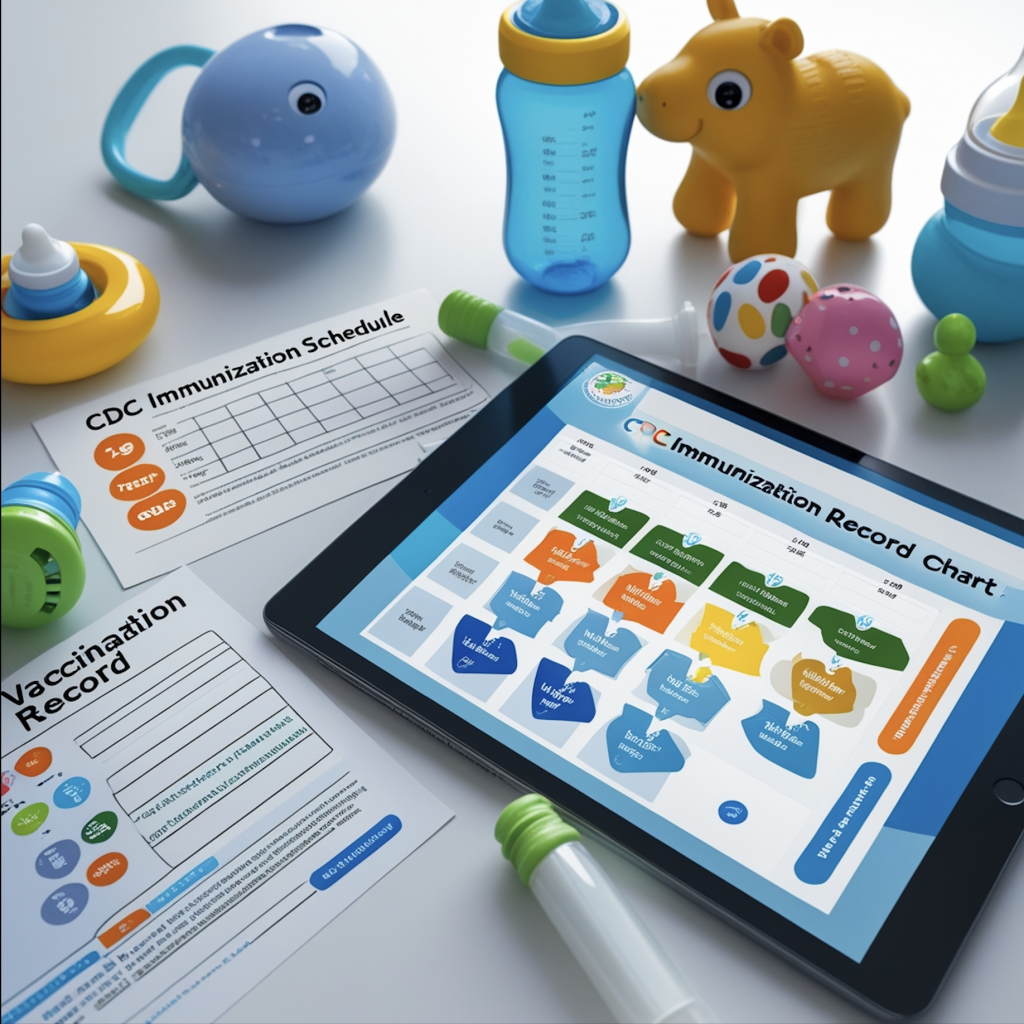
Vaccination protects not only your child but also vulnerable community members who cannot be vaccinated due to medical conditions or age. This “herd immunity” effect requires high vaccination rates to prevent disease outbreaks that can be devastating for immune compromised individuals.
When vaccination rates drop below critical thresholds, outbreaks occur even in developed countries. Recent measles outbreaks in the United States demonstrate how quickly vaccine-preventable diseases can return when immunization rates decline.
Your decision to vaccinate your child according to the recommended schedule represents both personal protection and community responsibility, contributing to the collective health of society while safeguarding your precious baby from preventable suffering.
The vaccination schedule represents one of parenting’s most important gifts to your child the gift of protection against diseases that could rob them of health, development, or life itself. Trust in the science, work with your healthcare provider, and take pride in providing your baby with this crucial foundation for lifelong health.
Read more: Essential Vaccination Schedule to Keep Your Baby Healthy and Protected7 Silent Choking in Babies Signs Every Parent Must Know
7 Alarming Ways Pacifier Harm Baby Development Long-Term
Looking for comprehensive guidance on caring for your baby? Our book ‘How to Care for Children: From Birth to Age 2’ combines professional nanny experience with evidence based child development research. Written by Kelly and Peter, this guide provides clear, reliable advice rooted in real world childcare. Available in English, Spanish, and Portuguese on Amazon.
Click the link below your preferred language to get your copy!



Frequently Asked Questions About Baby Vaccination Schedule
1. What should I do if my baby has a fever after vaccination?
Mild fever after vaccination is a normal immune response indicating the body is building protection against disease. Fevers below 102°F generally don’t require treatment, though you can provide acetaminophen or ibuprofen if your baby seems uncomfortable. Always consult your pediatrician about appropriate medication dosing based on your baby’s weight and age.
Ensure your baby stays well-hydrated by offering breast milk, formula, or water frequently. Dress your baby in lightweight clothing and maintain comfortable room temperature. Most post-vaccination fevers resolve within 24 to 48 hours.
Contact your healthcare provider if fever exceeds 104°F, lasts longer than 48 hours, or if your baby shows signs of serious illness like difficulty breathing, persistent crying, or lethargy. Never give aspirin to children under 18 due to risk of Reye’s syndrome, a rare but serious condition affecting the liver and brain.
2. Can vaccines overwhelm my baby’s immune system?
No, vaccines cannot overwhelm infant immune systems. Babies encounter thousands of antigens daily through normal environmental exposure, eating, breathing, and touching surfaces. The antigens in all vaccines combined represent a tiny fraction of what babies’ immune systems handle routinely. Modern vaccines actually contain fewer antigens than historical versions while providing equal or better protection due to scientific advances.
Research involving hundreds of thousands of children has found no evidence that the current vaccination schedule overwhelms or weakens immune systems. In fact, studies show vaccinated children have no higher rates of non-vaccine-targeted infections compared to unvaccinated children, confirming vaccines don’t compromise overall immune function.
The immune system can respond to multiple vaccines simultaneously without any reduction in effectiveness or increase in side effects. Combination vaccines reduce the number of injections while maintaining full protection, minimizing discomfort without compromising immunity.
3. Is it safer to delay or space out vaccines rather than following the recommended schedule?
No, delaying or spacing out vaccines increases risk without providing safety benefits. The recommended vaccination schedule is carefully designed based on decades of research analyzing when babies are most vulnerable to specific diseases and when their immune systems can respond optimally to vaccines. Delaying vaccines leaves children unprotected during periods when diseases pose greatest risk.
Infants are particularly vulnerable to complications from pertussis, meningitis, and other vaccine-preventable diseases during their first year of life. Research comparing children following the standard schedule to those receiving delayed vaccines has found no safety advantages from alternative schedules, while delayed vaccination significantly increases disease risk.
Some studies suggest delayed schedules may actually increase fever risk by administering vaccines at older ages when immune responses tend to be stronger. Modified schedules also require more clinic visits, increasing stress and inconvenience for families while extending the period children remain vulnerable to serious infections. Trust that the recommended schedule reflects the best available scientific evidence for protecting your child’s health.
4. Why does my baby need vaccines for diseases that are now rare?
Diseases are rare precisely because vaccination rates remain high, not because the diseases have disappeared. Bacteria and viruses causing vaccine-preventable diseases still exist and can cause outbreaks when vaccination rates drop, as demonstrated by recent measles resurgences in communities with low immunization coverage.
Many diseases considered rare in developed countries remain common globally. International travel means diseases can be imported easily, threatening unvaccinated children. Polio continues circulating in some countries, and a single case could trigger outbreaks in undervaccinated communities. Maintaining high vaccination rates provides community protection that prevents disease resurgence.
If vaccination rates fall below critical thresholds (generally 90 to 95 percent depending on disease), outbreaks can occur even in previously protected populations. Diseases like diphtheria, which were virtually eliminated through vaccination, have reemerged in countries where immunization programs weakened, causing hundreds of deaths.
Continuing vaccination protects individual children while maintaining the community immunity that keeps dangerous diseases rare. Your decision to vaccinate contributes to collective health security.
5. Can my baby receive vaccines if they have a cold or minor illness?
Yes, babies can safely receive vaccines when they have minor illnesses like colds, low-grade fevers below 100.4°F, or mild diarrhea. Research confirms that minor illnesses don’t reduce vaccine effectiveness or increase complication risk. Delaying vaccination for minor illnesses unnecessarily extends the period children remain vulnerable to serious diseases.
However, moderate to severe illness with fever above 101°F may warrant postponing vaccination until recovery, not because vaccination is dangerous during illness, but because it becomes difficult to distinguish vaccine side effects from illness symptoms. Your pediatrician will evaluate your baby’s condition and make appropriate recommendations.
If vaccines are postponed due to illness, reschedule as soon as your baby recovers to maintain protection. Children taking antibiotics for bacterial infections can receive vaccines safely. Most medications don’t interfere with vaccine effectiveness or safety. However, certain immunosuppressive medications or recent blood transfusions may require temporarily delaying some live virus vaccines. Always inform your healthcare provider about medications your baby is taking before vaccination.
6. What documentation should I keep regarding my baby’s vaccinations?
Maintain comprehensive vaccination records including the date of each vaccine, vaccine manufacturer and lot number, site of injection (which arm or leg), healthcare provider administering the vaccine, and clinic contact information. This documentation proves invaluable for school enrollment, international travel, college admission, and healthcare transitions.
Take a photo of vaccination records with your phone to ensure you always have access even if paper records are lost. Many healthcare systems now offer patient portals providing electronic vaccination records accessible anytime. Some states maintain immunization registries allowing healthcare providers to verify vaccination history when families change doctors or move.
Request copies of vaccination records when changing healthcare providers to ensure continuity of care. If vaccination records are lost, your healthcare provider may be able to retrieve information from their medical records system or state immunization registry. In some cases, antibody testing (titers) can confirm immunity to specific diseases when records are unavailable, though this is more expensive and time-consuming than maintaining good records.
7. Are combination vaccines as safe and effective as individual vaccines?
Yes, combination vaccines provide equal protection with fewer injections, reducing discomfort and clinic visits while maintaining full safety and efficacy. Combination vaccines like DTaP (diphtheria, tetanus, pertussis) and MMR (measles, mumps, rubella) undergo extensive testing to ensure components don’t interfere with each other and that immune responses to each disease are adequate.
Research involving millions of doses confirms combination vaccines are as safe and effective as giving vaccines separately. The advantage of combination vaccines is reducing the number of injections required, which is particularly beneficial for young children who may find multiple shots stressful.
Fewer injections mean fewer opportunities for injection site reactions while providing the same protective immunity. Combination vaccines don’t contain more additives or preservatives than individual vaccines would total, as manufacturers carefully formulate them to maintain safety while reducing volume.
The immune system handles multiple antigens simultaneously just as effectively whether they come from one injection or several. Choosing combination vaccines is a practical way to ensure complete protection with minimal discomfort.
8. What should I do if I have moral or religious objections to vaccines?
Start by discussing your specific concerns with your pediatrician, who can provide accurate medical information addressing misconceptions while respecting your beliefs. Many religious and moral objections to vaccines are based on outdated information or misunderstandings about vaccine ingredients and production methods.
No major religion officially opposes vaccination, and many religious leaders actively encourage immunization as a way to protect children and communities. Some historical vaccine development involved cell lines originally derived from aborted fetal tissue decades ago, though current vaccine production doesn’t require new fetal tissue and most vaccines don’t involve these cell lines at all.
If certain vaccines conflict with your beliefs, discuss alternative options that might be acceptable. Remember that vaccination decisions affect not only your child but also vulnerable community members who cannot be vaccinated due to medical conditions. Consider the ethical responsibility to protect others alongside personal beliefs.
Some states allow religious or philosophical exemptions from mandatory school vaccination requirements, though these exemptions may restrict school or daycare enrollment during disease outbreaks. Unvaccinated children face significantly higher disease risk, potential exclusion during outbreaks, and may have limited international travel options.
Want a complete baby care guide?
Get our FREE checklist sent directly to your inbox - covering everything from birth to age 2, including daily routines, safety guidelines, and developmental milestones.
- ✅ Birth to 3 months essentials
- ✅ 4-12 months routines & alerts
- ✅ 1-2 years development & safety
Enter your email to receive instant access to the PDF