
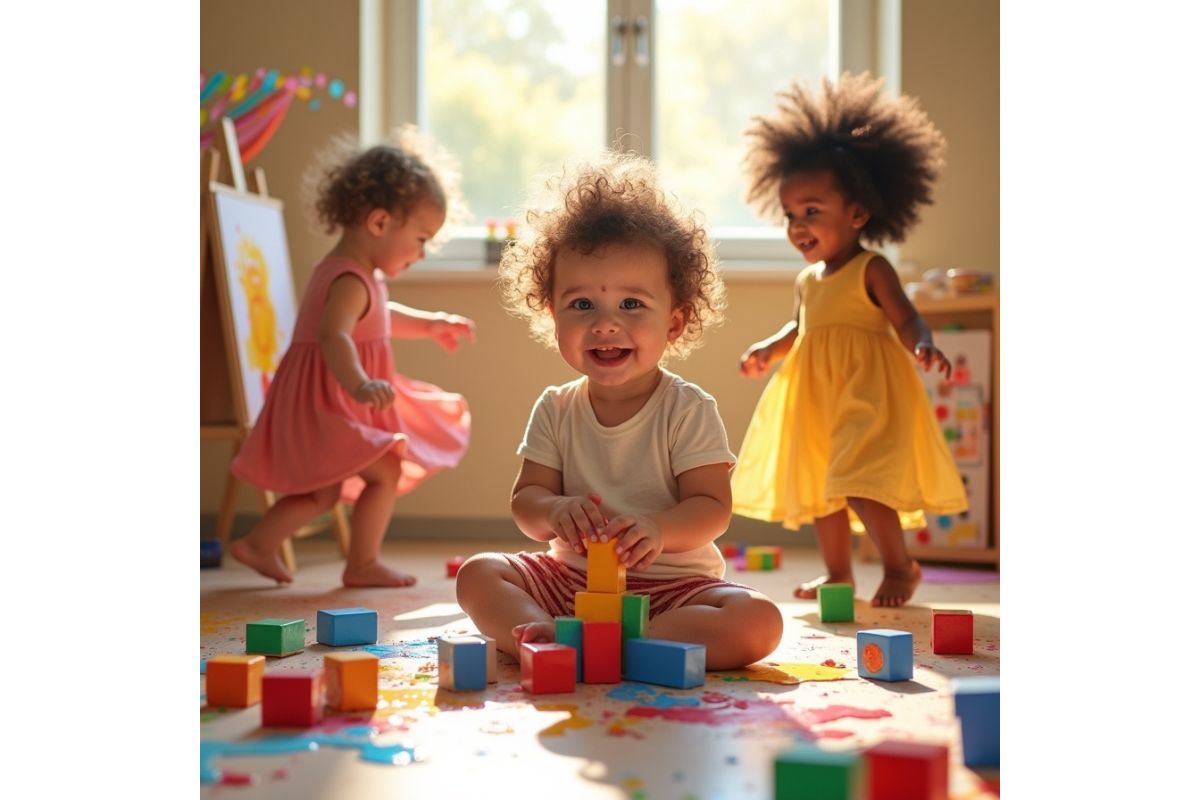
Toddler activities for development through play are not a luxury or a way to simply keep young children entertained. They are among the most powerful tools available to support healthy brain growth, emotional balance, and physical strength during the most critical developmental window in a child’s life. Between ages 1 and 3, young brains are building over 1,000 neural connections every single second, and the quality of experiences during this period shapes how children learn, communicate, and relate to the world for the rest of their lives.
Whether you are a parent, grandparent, or childcare professional, understanding which activities support each developmental domain, and how to introduce them in a safe, joyful way, makes an enormous difference. This guide presents 12 research-backed toddler activities designed to stimulate cognitive, physical, and social-emotional development simultaneously, along with age-specific guidance and practical tips for maximizing every moment of play.
Table of Contents
- The Science Behind Play-Based Learning
- Why Toddler Activities for Development Matter So Much
- 12 Incredible Toddler Activities That Boost Development Through Play
- Age-Specific Activity Recommendations
- How Parents Can Maximize Learning Through Play
- Safety and Engagement Best Practices
- Building Lifelong Learning Habits Through Play
- Frequently Asked Questions
The Science Behind Play-Based Learning
Research from leading child development institutions consistently confirms that play is the primary vehicle through which toddlers acquire knowledge about their world. Studies published through the American Academy of Pediatrics and reviewed by the National Institutes of Health confirm that unstructured and semi-structured play activates multiple brain regions at once, building connections between areas responsible for language, memory, motor control, and emotional regulation.
According to the World Health Organization’s early childhood development framework, nurturing care during the first three years of life includes opportunities for play and exploration as a non-negotiable component. Play is not simply preparation for learning. It is the learning itself. This is precisely why choosing the right toddler activities for development is one of the most impactful decisions a caregiver can make during the first three years of life.
The brain of a toddler is remarkably plastic, meaning it is highly receptive to environmental input. When a child stacks blocks and watches them fall, he or she is not just playing. The brain is processing physics, developing spatial reasoning, building frustration tolerance, and practicing problem-solving all at the same time. This multi-domain stimulation is precisely why play-based activities are irreplaceable during the toddler years.
Why Toddler Activities for Development Matter So Much
From ages 1 to 3, toddler activities for development are essential because toddlers pass through major milestones that directly shape their future learning abilities. Understanding which toddler activities for development suit each domain, cognitive, physical, language, and social-emotional, helps caregivers make intentional choices during playtime.
Cognitive Development includes the ability to sort objects by color and shape, understand cause and effect, develop early language, and begin to grasp simple math concepts like more, less, and counting. Engaging in color and shape recognition activities as early as possible lays the groundwork for academic readiness.
Physical Development covers both fine motor skills, such as grasping, pinching, and manipulating small objects, and gross motor skills, including running, jumping, climbing, and balancing. Both categories depend on regular practice through varied physical play.
Language and Communication develop rapidly when toddlers are exposed to rich verbal environments. Activities that involve narration, storytelling, songs, and back-and-forth conversation accelerate vocabulary growth and prepare children for reading. Pairing these activities with early literacy activities for babies and young toddlers creates a powerful foundation.
Social and Emotional Growth includes learning to share, manage feelings, develop empathy, and practice cooperation. These skills, far from being automatic, require specific types of interactive play to develop properly.
Choosing the right activities at the right developmental stage is not about being a perfect parent. It is about understanding that every moment of engaged play is a moment of brain-building.
12 Incredible Toddler Activities That Boost Development Through Play
Activity 1. Sensory Play: Exploring the World Through Touch and Texture
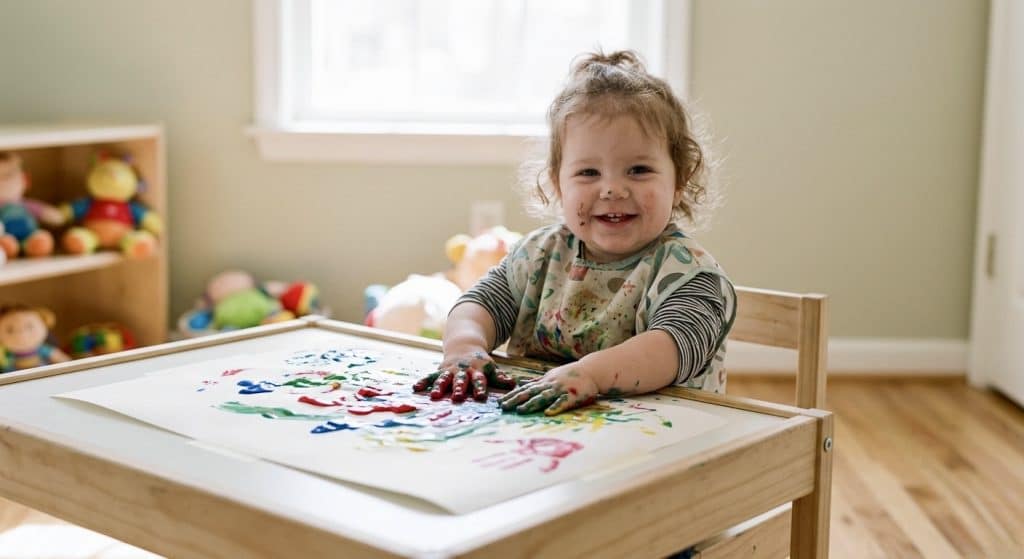
Sensory play ranks among the most powerful toddler activities for development because it activates multiple senses simultaneously, helping young children build neural pathways that support attention, language, and motor coordination. Effective sensory activities include finger painting with washable, non-toxic paints, textural exploration bins filled with rice or dried pasta (always supervised), sand and water play in contained environments, and play dough manipulation.
When toddlers squeeze, pour, press, and mold materials, they are not just getting messy. They are building the same fine motor skills that will later help them hold a pencil, button a shirt, and type on a keyboard.
Activity 2. Music and Movement: Rhythm for Whole-Body Development
Music engages the brain in a uniquely comprehensive way. Singing, clapping, marching, and dancing to rhythm support language development, auditory processing, memory formation, and emotional regulation. Simple actions like following a beat, anticipating the next verse of a familiar song, or stopping and starting with the music all build executive function skills that are critical for school readiness.
Instruments do not need to be elaborate. Shakers made from sealed containers with dry beans, wooden spoons and pots, or a small xylophone are sufficient to introduce the concept of cause-and-effect through sound. Dancing freely to music also builds body awareness, balance, and cardiovascular fitness in a joyful, low-pressure context.
Activity 3. Construction and Building: Spatial Intelligence and Persistence
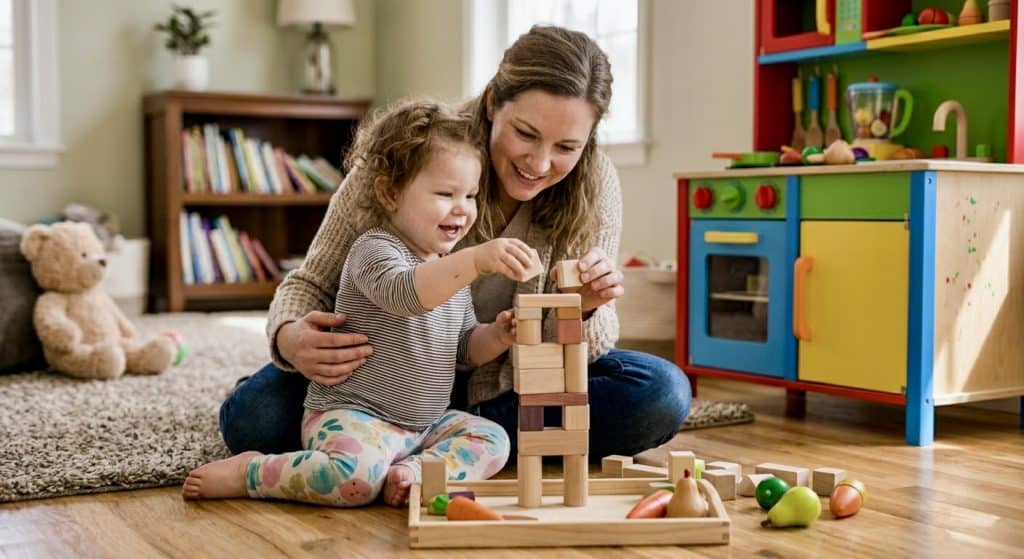
Building activities develop spatial reasoning, problem-solving, and one of the most important early childhood skills: persistence. When a tower falls and a toddler decides to try again, that child is practicing resilience in a concrete, tangible way. Construction play is one of the toddler activities for development that delivers consistent results across all three major domains: cognitive, physical, and emotional.
Blocks in various sizes and materials, stacking rings and nesting cups, magnetic tiles, and large Lego-style bricks all offer different types of construction challenges suited to different developmental stages. A 12-month-old benefits from simple stacking; a 30-month-old may attempt to build bridges, enclosures, and symmetrical structures. Narrating what the child is doing during construction play, “you put the big block on the bottom,” builds vocabulary while reinforcing the activity.
Activity 4. Pretend Play: Imagination, Empathy, and Social Understanding
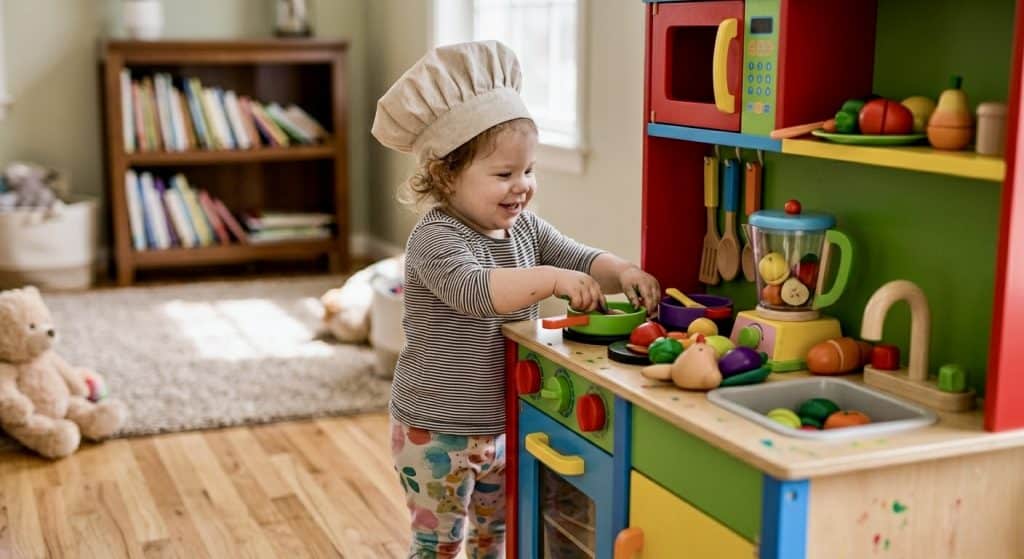
Imaginative play is crucial for emotional development and social cognition. When toddlers pretend to cook, care for a doll, drive a toy car, or treat a stuffed animal, they are practicing perspective-taking, emotional expression, and narrative thinking. These are the precursors to empathy, communication skills, and the ability to understand other people’s points of view.
Research from the CDC’s developmental guidance confirms that children who engage regularly in pretend play show stronger language development and more advanced social skills. Providing props such as toy kitchens, doctor kits, dress-up clothes, and simple figurines supports this type of play without over-structuring it.
Activity 5. Outdoor Adventures: Physical Development and Nature Connection
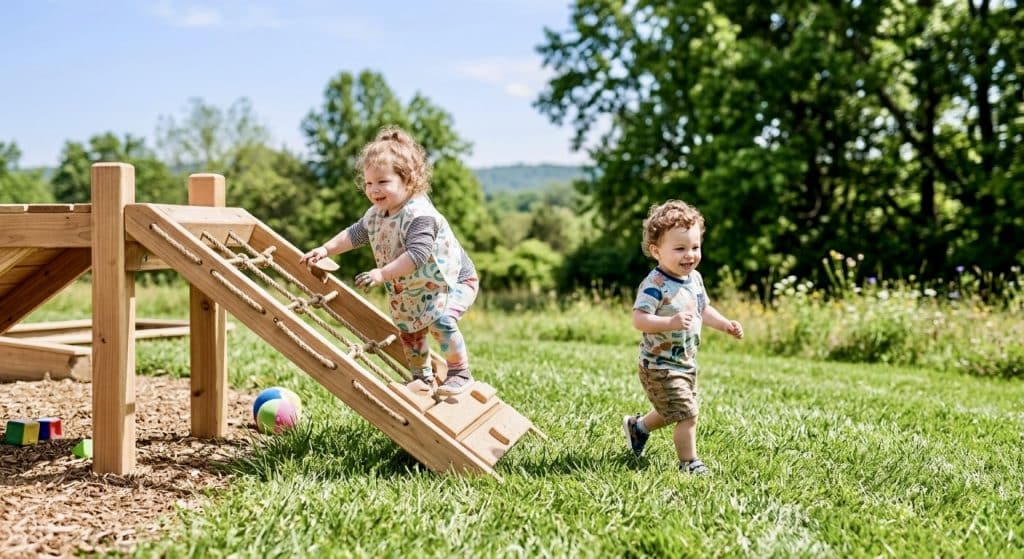
Outdoor toddler activities for development provide benefits that indoor environments simply cannot replicate. Natural terrain, varied surfaces, changing light, and living organisms offer sensory richness that activates multiple brain systems simultaneously.
Running and chasing games build cardiovascular fitness and gross motor coordination. Climbing low playground structures develops upper body strength, spatial judgment, and risk assessment. Nature scavenger hunts build observational skills, vocabulary, and scientific thinking. Simple gardening activities teach responsibility, patience, and the cause-and-effect relationship between care and growth.
Always ensure outdoor environments are safe, supervise closely near water or elevation, and use sunscreen and appropriate footwear. For comprehensive guidance on keeping outdoor play safe, review these toddler safety and childproofing tips.
Activity 6. Water Play: Sensory Richness and Scientific Thinking
Water play belongs in every list of best activities for toddlers 1 to 3 years because it simultaneously engages sensory processing, fine motor skills, and early science concepts. Toddlers who pour, splash, fill, and empty containers are exploring volume, capacity, gravity, and object permanence.
Water tables, small basins, or even the kitchen sink with supervision offer excellent opportunities. Introducing items that sink or float, cups of different sizes, funnels, and small sponges extends the learning without requiring any expensive materials. Always supervise water play without exception, regardless of the water depth.
Activity 7. Art and Creative Expression: Process Over Product
Art activities for toddlers should always prioritize process over product. The goal is not a beautiful painting to hang on the refrigerator. The goal is the experience of mixing colors, controlling a brush, pressing a stamp, or tearing paper. These experiences build fine motor control, hand-eye coordination, color recognition, and creative confidence.
Crayons, washable markers, sponge brushes, stamp pads, and collage materials are all appropriate. Art activities are also an ideal context for introducing color vocabulary, shape names, and descriptive language in a natural, engaging way.
Activity 8. Language and Literacy Activities: Building the Foundation for Reading
Among all toddler activities for development, language-rich activities rank among the most impactful for long-term academic success. Among all indoor toddler activities for cognitive development, language-rich activities rank among the most impactful.
Reading aloud daily is the single most effective literacy activity available to caregivers. Pointing to words, naming pictures, asking simple questions like “where is the dog?” and allowing toddlers to turn pages builds book-handling skills and print awareness. Pairing reading with early literacy activities for babies and young toddlers creates a comprehensive literacy environment.
Storytelling with simple toy figures, narrating daily routines, and expanding on what toddlers say by adding words all build vocabulary organically throughout the day.
Activity 9. Math and Counting Games: Early Numeracy Through Play
Math-based toddler activities for development begin long before formal schooling and are far simpler to introduce than most parents expect. Mathematical thinking begins long before formal schooling. Toddlers who regularly sort objects, match shapes, count out loud, and compare quantities are developing the numeracy foundation that predicts later math success.
Simple counting games using blocks, fruit pieces, or toy animals make number concepts concrete and memorable. Sorting by color, size, or shape builds classification skills. Nesting cups introduce the concept of relative size and spatial relationships. For structured ideas that extend these concepts, explore these toddler math and counting methods designed for young learners.
Activity 10. Gross Motor Play: Strength, Balance, and Body Awareness
Gross motor play refers to activities that engage large muscle groups and support physical development. Among outdoor toddler activities for physical development, gross motor play is essential and should be part of every day.
Obstacle courses using pillows, cushions, and low furniture develop balance, coordination, and spatial judgment. Dance parties build cardiovascular fitness and rhythm. Riding toys and balance bikes, introduced around 18 to 24 months, support core strength and body awareness. Toddler yoga with simple poses builds flexibility, body awareness, and the ability to follow verbal instructions.
Activity 11. Nature Exploration: Curiosity, Science, and Sensory Richness
Direct contact with nature supports curiosity, scientific thinking, and sensory development in ways that manufactured toys cannot replicate. Collecting leaves of different shapes, examining rocks, watching insects, and digging in soil all engage a toddler’s natural drive to investigate and understand.
Nature exploration activities are low-cost, endlessly varied, and provide rich vocabulary-building opportunities. Naming what children observe, describing textures and colors, and asking open-ended questions like “what do you think is under this rock?” develops language, reasoning, and a lifelong appreciation for the natural world.
Activity 12. Social Play and Group Activities: Cooperation and Emotional Skills
Social toddler activities for development build the emotional and relational skills that underpin all future relationships. Turn-taking games, cooperative building projects, simple board games designed for toddlers, and group music activities all provide practice in sharing, waiting, and communicating with others.
Toddlers are naturally egocentric, which is developmentally appropriate. Consistent, gentle guidance during social play teaches them to recognize other children’s feelings, negotiate conflicts, and experience the joy of shared achievement. These skills are the foundation of emotional intelligence and social competence throughout life.
Age-Specific Activity Recommendations
Understanding which activities suit each developmental stage ensures that play remains challenging enough to stimulate growth without becoming frustrating.
12 to 18 Months: Exploration and Discovery At this stage, toddlers are focused on cause-and-effect, object manipulation, and beginning to walk. Ideal activities include simple stacking toys, push-and-pull toys, large crayons, musical toys with buttons, and sensory bins with safe materials. Reviewing developmental milestones for the first yearhelps caregivers calibrate expectations and identify any areas that may need additional support. These early toddler activities for development set the tone for all subsequent learning stages.
18 to 24 Months: Emerging Skills and Independence Language is developing rapidly and toddlers are asserting independence. Shape sorters, simple puzzles, finger painting, riding toys, and pretend play with kitchen sets or dolls are all ideal. Activities that allow choice, such as offering two colors of paint or two toy options, support autonomy and decision-making. At this stage, toddler activities for development become more socially complex and prepare children directly for the demands of preschool.
24 to 36 Months: Complex Play and Social Readiness By age 2, toddlers are ready for more complex construction, role-playing, simple group games, and early art projects involving scissors (with supervision) and glue. Activities that involve following two-step instructions, cooperating with a partner, and retelling a simple story prepare children for the social demands of preschool.
If you notice that your child is not meeting expected milestones in any of these areas, it is important to consult a pediatrician promptly. For more information, review these warning signs of developmental delays in children.
How Parents Can Maximize Learning Through Play
Create an Environment That Supports Toddler Activities for Development Store toys at toddler height so children can independently choose materials. This fosters autonomy and decision-making. Rotate toys regularly to maintain novelty and prevent overstimulation. Ensure all materials meet safety standards outlined by the American Academy of Pediatrics and are free from small parts or toxic materials.
Participate Actively Without Directing Join play without taking over. Narrate what your child is doing, ask open-ended questions, and follow their lead. When you engage actively in your toddler’s play, you are not just supervising. You are co-constructing knowledge and deepening your emotional bond simultaneously.
Celebrate Effort, Not Just Results Praise attempts and persistence rather than perfect outcomes. Saying “I love how you kept trying even when it was hard” builds a growth mindset that serves children far beyond the toddler years.
Limit Screen Time Deliberately According to CDC guidelines for toddler development, screen time for children under 2 should be minimal and always interactive. Every hour spent in front of a screen is an hour not spent in hands-on, brain-building play. The activities listed in this guide are not only more developmentally valuable; they are also more joyful for both children and caregivers.
Safety and Engagement Best Practices
Safety is the non-negotiable foundation of all toddler activities. No activity, regardless of its developmental value, is worth compromising a child’s physical safety.
Always supervise activities involving small parts, water, art materials, or outdoor environments. Keep sessions short and responsive to the child’s energy level. Toddlers typically sustain focused attention for 2 to 3 minutes per year of age, so plan transitions accordingly. Recognize and respect individual differences. Some toddlers thrive on high-energy, movement-based activities; others prefer quiet, focused exploration. Both preferences are valid and developmentally normal. Safety is the non-negotiable foundation of all toddler activities for development.
Building Lifelong Habits Through Toddler Activities for Development
The habits of curiosity, persistence, creativity, and cooperation that toddlers develop through play do not disappear when formal schooling begins. They become the foundations of academic engagement, social success, and emotional resilience throughout life. The toddler activities for development described in this guide are precisely the experiences that build those lasting habits.
Activities do not need to be expensive or elaborate to be effective. Pots, wooden spoons, cardboard boxes, nature items, and everyday household routines all offer rich learning opportunities when approached with intention and presence. The most important variable in any toddler’s developmental environment is not the quality of the toys. It is the quality of the relationship with the caregivers who play alongside them.
Conclusion
Through toddler activities for development through play, young children learn about themselves and the world around them, one joyful discovery at a time. Every block stacked, every song sung, every imaginary adventure, and every handful of finger paint contributes to a growing brain that is wiring itself for a lifetime of learning, connection, and resilience.
By providing rich, varied, and age-appropriate toddler activities for development, you are giving your child something that no curriculum or structured lesson can replace: the freedom to learn through joy. Every toddler activities for development experience you create today is an investment in who your child will become tomorrow.
Sources: American Academy of Pediatrics, Centers for Disease Control and Prevention, World Health Organization, National Institutes of Health, National Institute of Child Health and Human Development.
Looking for comprehensive guidance on caring for your baby? Our book ‘How to Care for Children: From Birth to Age 2’ combines professional nanny experience with evidence based child development research. Written by Kelly and Peter, this guide provides clear, reliable advice rooted in real world childcare. Available in English, Spanish, and Portuguese on Amazon.
Click the link below your preferred language to get your copy!




1. What are the best toddler activities for development?
The best toddler activities for development include sensory play, building blocks, pretend play, music and movement, and language-rich activities like storytelling and singing. These activities stimulate multiple neural connections simultaneously and support cognitive, emotional, and physical growth in an integrated way.
2. How many hours a day should toddlers engage in play activities?
The American Academy of Pediatrics recommends that toddlers activities for development between 1 and 3 years old occupy at least 3 hours of a child’s day, including structured activities and free play. Screen time should be limited and consistently replaced with interactive, hands-on experiences that actively support development.
3. What indoor toddler activities are best for cognitive development?
Excellent toddler activities for development in indoor settings include sorting games by color and shape, simple puzzles, finger painting, building blocks, counting games, and pretend play with kitchen sets or dolls. These activities build problem-solving skills, early language, and spatial awareness in a safe, controlled environment.
4. At what age should toddlers start structured play activities?
Toddlers can begin simple structured play activities as early as 12 months. At this stage, stacking toys, musical instruments, and sensory bins are ideal. As they approach 18 to 24 months, activities can become more complex, including shape sorters, pretend play scenarios, and riding toys that support gross motor development.
5. How can parents make outdoor toddler activities safe and educational?
Parents can make outdoor toddler activities for development safe and educational by choosing age-appropriate equipment, maintaining close supervision, using sunscreen and appropriate footwear, and transforming outdoor time into structured learning opportunities. Nature scavenger hunts, simple gardening, and ball games effectively combine safety, physical development, and cognitive stimulation.
6. How do I know if toddler activities for development are working?
You will notice progress in toddler activities for development when your child begins to demonstrate new skills consistently, such as stacking more blocks, using new words, or playing cooperatively with others. Tracking milestones alongside toddler activities for development helps you identify which experiences are producing the most growth and which areas may need more attention.
7. Can toddler activities for development be done with everyday household items?
Absolutely. Some of the most effective toddler activities for development require no special equipment at all. Pots and wooden spoons for music exploration, cardboard boxes for building and pretend play, and dried pasta for sensory bins are all excellent examples of low-cost toddler activities for development that deliver real cognitive and physical benefits.
8. How often should I introduce new toddler activities for development?
Introducing one or two new toddler activities for development each week keeps playtime stimulating without overwhelming your child. Rotating between familiar and new toddler activities for development maintains novelty while also allowing toddlers to practice and master skills they have already started building.
9. Are group settings better than solo toddler activities for development?
Both have value. Solo toddler activities for development build independence, concentration, and self-directed learning. Group toddler activities for development, whether with siblings, peers, or caregivers, build social skills, empathy, and cooperative thinking. A healthy balance of both types of toddler activities for development produces the most well-rounded results.