

Discover how to achieve personal growth for new parents without sacrificing your sanity. These 8 life-changing strategies help you balance parenthood and self improvement through micro-learning, energy management, and integration techniques that work with sleep deprivation and constant interruptions. Learn how growing as a parent makes you a better role model for your child.
Balancing personal growth with new parent life feels like trying to juggle flaming torches while riding a unicycle challenging, seemingly impossible, yet absolutely essential for your long-term happiness and effectiveness as a parent. The truth is, becoming a parent doesn’t mean putting your personal development on pause; it means finding creative, sustainable ways to grow alongside your child.
Many new parents fall into the trap of believing that focusing on themselves is selfish or that there simply isn’t time for personal growth. This mindset not only stunts your development but also deprives your child of witnessing a parent who values growth, learning, and self-improvement.
The Hidden Truth About Personal Growth for New Parents
Research from developmental psychology shows that parents who maintain their personal growth journey raise children with:
- Higher motivation for learning
- Better problem-solving skills
- Increased resilience during challenges
- Stronger sense of personal agency
When you model personal growth, you’re not taking away from your parenting you’re enriching it. Your child absorbs your attitudes toward learning, challenge, and self-improvement, making your personal development a gift to their future.
Research from developmental psychology
Why Traditional Self-Improvement Fails When Balancing Parenthood and Self Improvement
Most personal development advice assumes you have uninterrupted time, predictable schedules, and mental energy reserves. New parent life operates under completely different rules. You need strategies that work with sleep deprivation, constant interruptions, and emotional volatility.
Balancing personal growth with new parent life requires a complete reframe of what growth looks like and how it happens.
1. Micro-Learning: Transform Dead Time Into Personal Development for Parents
Forget hour-long meditation sessions or extensive reading periods. Embrace micro-learning growth in tiny, consistent increments that fit into parental life naturally.
Practical applications:
- Listen to audiobooks or podcasts while feeding baby
- Use 5-minute meditation apps during nap times
- Watch educational YouTube videos while baby plays
- Read personal development articles during pumping sessions
The power is in consistency, not duration. Five minutes daily of intentional learning compounds into significant growth over months.
Establishing morning routines that incorporate micro-learning can transform your first waking hours into powerful growth opportunities, even with a newborn.
2. Integration Strategy: Merge New Parent Self Care With Daily Activities
Instead of seeing parenting and personal growth as competing priorities, find ways to integrate them seamlessly.
Examples of integration:
- Practice mindfulness while rocking baby to sleep
- Use baby’s tummy time for your own stretching or yoga
- Turn daily walks with stroller into gratitude practice
- Practice patience and emotional regulation during challenging parenting moments
This approach transforms routine parenting activities into opportunities for personal development.
Creating meaningful family traditions that incorporate your personal values and growth goals allows you to develop yourself while bonding with your baby.

3. The 1% Rule: Tiny Improvements for Parents Who Grow as a Parent Daily
Balancing personal growth with new parent life becomes manageable when you commit to improving just 1% daily. This might mean reading one page of a book, doing one mindful breathing exercise, or practicing one new parenting technique.
Why this works:
- Requires minimal time investment
- Creates sustainable habits
- Builds momentum without overwhelm
- Compounds into significant change over time
Track these small improvements to see your progress accumulate you’ll be amazed how quickly tiny changes create major transformations.
4. Redefine Your Personal Growth for New Parents Metrics
Pre-parenthood growth might have been measured by completed courses, finished books, or achieved goals. Parental growth requires new metrics that honor your current reality.
New success measurements:
- Maintaining emotional regulation during tantrums
- Successfully implementing one new parenting strategy weekly
- Completing one personal development activity daily (however small)
- Showing yourself compassion during difficult moments
These metrics acknowledge that growth continues even when it looks different from your pre-baby standards.
5. Community-Powered Personal Development for Parents

Leverage parenting communities for mutual growth and accountability. Join or create groups focused on personal development for parents.
Community growth strategies:
- Book clubs for parents with flexible timelines
- Online accountability groups for busy parents
- Parent meetups with personal development discussions
- Mentorship relationships with experienced parents
Balancing personal growth with new parent life becomes easier when you’re not doing it alone. Community provides support, motivation, and perspective during challenging times.
6. Energy Management: The Key to Balancing Parenthood and Self Improvement
Traditional time management fails parents because your schedule is largely dictated by your child’s needs. Instead, focus on energy management using your peak energy moments for growth activities.
Energy optimization techniques:
- Identify your highest energy times of day
- Match growth activities to energy levels
- Use low-energy periods for passive learning (audiobooks, podcasts)
- Prioritize sleep to maintain sustainable energy
Track your energy patterns for a week to identify when you’re most capable of focused growth activities.
Setting healthy boundaries around your personal growth time is essential for sustainable development as a new parent.
7. Grow as a Parent Through Parenting Challenges
Every parenting challenge is a disguised opportunity for personal development. Reframe difficult moments as growth laboratories.
Challenge-to-growth transformations:
- Sleep deprivation → practicing resilience and adaptation
- Tantrums → developing patience and emotional intelligence
- Scheduling conflicts → improving prioritization and flexibility
- Parenting mistakes → building self-compassion and learning agility
This mindset shift transforms daily parenting struggles into valuable personal development experiences.
Common Obstacles to Personal Growth for New Parents (And How to Overcome Them)
Balancing parenthood and self improvement comes with predictable roadblocks. Understanding these obstacles and having specific strategies to overcome them makes the difference between abandoning your growth journey and sustaining it long term.
Obstacle 1: Guilt About Taking Time for Yourself
Many parents struggle with the belief that personal development for parents is selfish. This guilt becomes a major barrier to growth. The reality is quite different: when you invest in yourself, you become more patient, present, and effective as a parent.
Solution: Reframe self care as essential maintenance, not indulgence. Just as you wouldn’t feel guilty about sleeping or eating, personal growth activities are necessary for your wellbeing and your family’s health. Start with just five minutes daily and notice how it improves your parenting capacity.
Obstacle 2: Inconsistent Energy Levels
New parent self care requires working with unpredictable energy patterns. Some days you feel capable of focused learning; other days, basic survival is the achievement.
Solution: Create a tiered approach to growth activities. On high energy days, tackle challenging learning or skill development. On medium energy days, engage with audiobooks or lighter reading. On low energy days, simply practice mindfulness during routine activities. Progress happens across all three levels.
Obstacle 3: Lack of Visible Progress
When you’re practicing micro learning and small daily improvements, progress can feel invisible. This lack of obvious results discourages many parents from continuing their growth journey.
Solution: Track your growth in tangible ways. Keep a simple journal noting one thing you learned or practiced each day. After 30 days, review your entries. You’ll be amazed at how much you’ve absorbed and how many small improvements have accumulated into meaningful change.
Obstacle 4: Comparison to Pre-Baby Productivity
Comparing your current growth pace to your pre-parenthood capacity creates frustration and disappointment. This comparison trap makes balancing parenthood and self improvement feel impossible.
Solution: Accept that this season has different parameters. Reading one chapter monthly as a new parent represents greater dedication than reading one book weekly before children. Celebrate accomplishments within your current context, not your previous capacity.
Obstacle 5: Partner or Family Unsupportive of Your Growth
When your partner or family doesn’t understand the importance of personal growth for new parents, finding time and energy becomes even harder.
Solution: Communicate clearly about why personal development matters to you and how it benefits the entire family. Share specific examples of how your growth activities make you a better parent and partner. Consider involving your partner in joint growth activities to build shared understanding and support.
8. The Seasons Approach: Adapting Personal Growth for New Parents to Life Phases
Balancing personal growth with new parent life requires accepting that growth will look different during various parenting phases.
Newborn phase (0-3 months): Focus on survival, basic routines, and gentle self-care
Infant phase (3-12 months):Introduce micro-learning and energy management
Toddler phase (1-3 years): Expand learning opportunities and community connections
Preschool phase (3-5 years): Pursue more structured growth goals and skill development
Accept where you are while planning for where you’re going. Each phase has its own growth opportunities and limitations.
Creating Your Personal Growth for New Parents Integration Plan
Step 1: Assess your current reality
- Available time slots throughout the day
- Energy patterns and peak performance times
- Existing interests and growth areas
- Support systems and resources

Step 2: Choose 3 growth focus areas
- One skill-based (parenting techniques, professional development)
- One wellness-based (physical health, mental health, spirituality)
- One relationship-based (partnership, friendships, community)
Step 3: Design micro-systems
- Daily 5-minute practices
- Weekly 15-minute activities
- Monthly goal reviews and adjustments
Step 4: Build accountability
- Share goals with supportive friends or family
- Join parent-focused growth communities
- Track progress in a simple journal or app
Real-Life Success Stories: Parents Who Mastered Personal Development for Parents
Understanding how other parents successfully navigate personal growth for new parents provides both inspiration and practical roadmaps. These stories demonstrate that balancing parenthood and self improvement is challenging but absolutely achievable.
Sarah’s Micro-Learning Journey
Sarah, mother of twins, felt overwhelmed by traditional personal development advice. She couldn’t attend workshops, complete courses, or maintain lengthy reading sessions. Instead, she committed to five minutes of intentional learning daily during her morning coffee while the babies napped.
Over one year, Sarah listened to 24 audiobooks on parenting, psychology, and personal development. She implemented tiny strategies weekly, from new communication techniques with her partner to stress management practices. The compound effect transformed both her parenting confidence and personal wellbeing.
Key takeaway: Consistency beats intensity. Small daily actions create remarkable long term results in personal growth for new parents.
Marcus’s Integration Approach
Marcus, a single father of a toddler, struggled to find separate time for new parent self care. His breakthrough came when he stopped trying to carve out additional time and instead integrated growth into existing activities.
During bedtime routines, Marcus practiced mindfulness and patience. During playground visits, he networked with other parents and built his support community. During meal preparation, he listened to podcasts on emotional intelligence and child development. By merging growth with necessary parenting activities, Marcus maintained consistent personal development without adding stress to his schedule.
Key takeaway: Integration eliminates the time scarcity problem. You don’t need extra hours; you need strategic use of existing moments.
Jennifer’s Community-Powered Growth
Jennifer found that solo personal development for parents felt isolating and difficult to sustain. She created a monthly book club with five other parents, choosing books on personal growth, parenting strategies, and wellbeing.
The group met at a local park while children played, discussing one chapter monthly. This low pressure approach provided accountability, diverse perspectives, and social connection. Over two years, the group completed 24 books together and formed deep friendships that supported everyone’s growth journey.
Key takeaway: Community transforms personal growth from a solitary challenge into a shared, sustainable practice.
David’s Seasonal Adaptation
David recognized that his capacity for personal growth for new parents changed dramatically as his daughter moved through different developmental stages. During the newborn phase, he focused solely on basic self care and sleep optimization. As she became more independent, he gradually expanded his growth activities.
By accepting and working with each season rather than fighting against limitations, David maintained continuous growth without burnout. He celebrated small wins in challenging phases and pursued bigger goals during easier periods.
Key takeaway: Flexibility and self compassion enable sustainable long term growth through all parenting phases.
The Compound Effect of Consistent New Parent Self Care
Balancing personal growth with new parent life isn’t about dramatic transformations it’s about consistent, small improvements that compound over time. When you commit to growing 1% daily, you’re not just improving yourself; you’re modeling lifelong learning for your child.
After one year of consistent micro-growth:
- You’ll have developed new skills and perspectives
- Your child will have observed hundreds of learning moments
- Your confidence as both person and parent will have increased
- Your relationship with personal development will be sustainable long-term
Compound effect of small habits
Essential Resources for Personal Growth for New Parents
Having the right tools and resources makes balancing parenthood and self improvement significantly easier. These carefully selected resources support busy parents in maintaining consistent growth.
Apps for Micro-Learning and New Parent Self Care
Modern technology offers exceptional support for personal development for parents. These apps work with your unpredictable schedule and limited attention spans.
Blinkist: Provides 15 minute summaries of non-fiction books, perfect for learning during feeding sessions or brief quiet moments. Covers parenting, psychology, productivity, and personal development topics.
Headspace or Calm: Meditation and mindfulness apps with programs as short as three minutes. Both offer specific content for parents dealing with stress, sleep deprivation, and emotional regulation.
Audible or Libro.fm: Audiobook platforms that allow learning during walks, household chores, or baby care activities. Adjustable playback speeds help maximize learning efficiency.
Podcasts for Parents Committed to Growth
Podcasts deliver valuable insights without requiring visual attention, making them ideal for multitasking parents.
“The Longest Shortest Time”: Explores honest, research backed parenting topics while addressing parent wellbeing and personal growth.
“Unruffled”: Janet Lansbury’s podcast on respectful parenting helps parents develop emotional intelligence and effective communication skills.
“The Smart Passive Income Podcast”: For parents interested in entrepreneurship and financial growth alongside parenting.
Online Communities Supporting Personal Growth for New Parents
Digital communities provide accountability, encouragement, and shared wisdom without requiring you to leave home.
Join parenting focused personal development groups on Facebook, Reddit parenting communities, or platforms like Mighty Networks that host interest specific groups. Look for communities that emphasize growth mindset, evidence based parenting, and mutual support.
Books That Transform Your Approach to Balancing Parenthood and Self Improvement
While reading time is limited, certain books offer extraordinary value for personal growth for new parents:
“Atomic Habits” by James Clear: Teaches the micro improvement approach that works perfectly with parental constraints.
“The Whole Brain Child” by Daniel Siegel: Combines parenting strategies with personal growth in emotional intelligence and neuroscience.
“Essentialism” by Greg McKeown: Helps parents identify what truly matters and eliminate non essential commitments.
These resources support your journey without overwhelming your already full schedule. Choose one or two that resonate most and integrate them into your daily rhythm.
The Beautiful Truth About Parent Personal Growth
Growing as a person makes you a better parent, and facing parenting challenges accelerates your personal growth. These aren’t competing priorities they’re complementary forces that strengthen each other.
Your child doesn’t need a perfect parent; they need a growing parent. They benefit more from watching you navigate challenges, learn new skills, and pursue improvement than from having someone who appears to have it all figured out.
Balancing personal growth with new parent life teaches your child that learning never stops, challenges are opportunities, and taking care of yourself enables you to better care for others. These are gifts that will serve them throughout their entire lives.
Start today with one tiny step. Choose one 5-minute activity that nurtures your growth, and commit to it for one week. You’ll be amazed how quickly small, consistent actions create meaningful change in both your personal development and your parenting journey.
Remember: You’re not just raising a child you’re raising yourself into the person and parent you want to become. That journey of growth is one of the greatest gifts you can give to both yourself and your family.
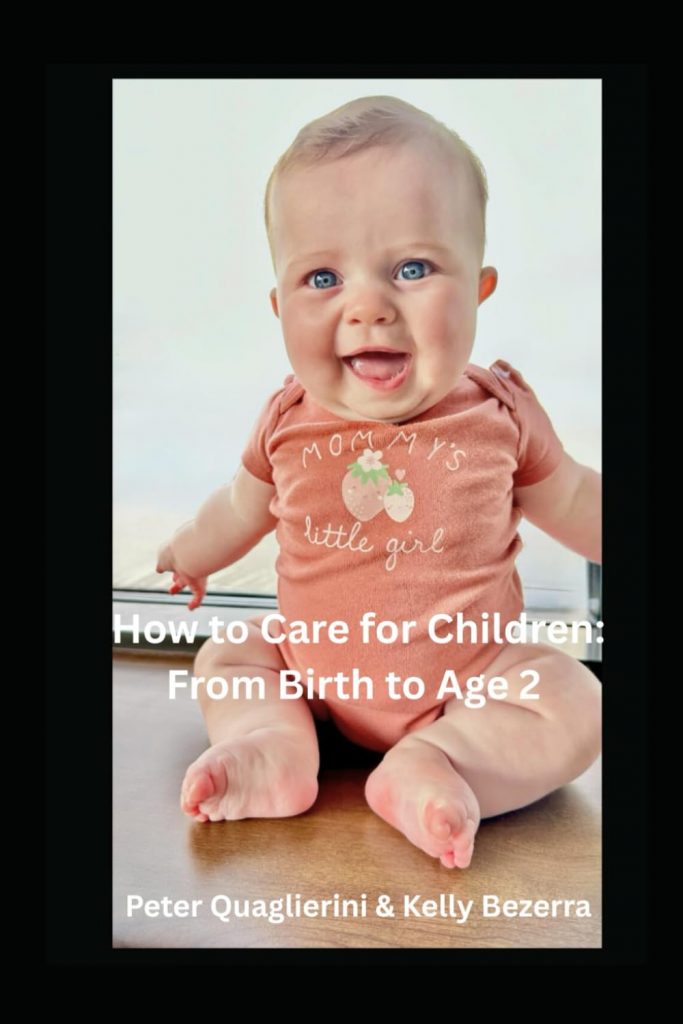
Read more: 8 Life-Changing Tips for Personal Growth for New Parents (Without Losing Your Mind)Looking for comprehensive guidance on caring for your baby? Our book ‘How to Care for Children: From Birth to Age 2’ combines professional nanny experience with evidence based child development research. Written by Kelly and Peter, this guide provides clear, reliable advice rooted in real world childcare. Available in English, Spanish, and Portuguese on Amazon.
Click the link below your preferred language to get your copy!



Frequently Asked Questions About Personal Growth for New Parents
1. How can I achieve personal growth for new parents when I barely have time to shower?
Focus on micro-learning strategies that require five minutes or less. Listen to audiobooks or podcasts during feeding times, practice mindfulness while rocking your baby to sleep, or read one page of a personal development book during quiet moments. The key to balancing parenthood and self improvement is consistency over duration. Five minutes daily compounds into 30 hours annually of intentional growth.
2. Is personal development for parents selfish when my baby needs so much attention?
Personal growth for new parents is not selfish; it’s essential. Research shows that parents who maintain their personal development raise children with higher motivation for learning, better problem-solving skills, and increased resilience. When you model growth and self-care, you teach your child valuable lifelong lessons. You cannot pour from an empty cup, and new parent self care ensures you have the emotional and mental resources to be fully present with your child.
3. What is the 1% rule for balancing parenthood and self improvement?
The 1% rule means committing to improving just 1% daily through small, manageable actions. This might include reading one page of a book, doing one three-minute meditation, practicing one new parenting technique, or listening to ten minutes of an educational podcast. These tiny improvements require minimal time and energy but compound into significant transformation over months. After one year of 1% daily improvement, you’ll be 37 times better than when you started.
4. How do I maintain personal growth for new parents during the difficult newborn phase?
During the newborn phase (0 to 3 months), adjust your expectations and focus on survival-level personal development for parents. Prioritize basic self-care, gentle physical recovery, and simple mindfulness practices. Use passive learning methods like audiobooks during night feedings. Accept that growth during this phase looks different from other seasons. As your baby develops more predictable patterns, gradually expand your growth activities. Remember that maintaining any growth practice during this challenging phase is a significant achievement.
5. What are the best resources for new parent self care and personal development?
The best resources for personal growth for new parents include Blinkist for 15-minute book summaries, Headspace or Calm for short meditation sessions, and Audible for audiobooks you can enjoy during baby care activities. Valuable podcasts include “The Longest Shortest Time” and “Unruffled” by Janet Lansbury. Essential books include “Atomic Habits” by James Clear and “The Whole Brain Child” by Daniel Siegel. Choose one or two resources that fit your learning style and integrate them into your existing routine for sustainable growth.
Want a complete baby care guide?
Get our FREE checklist sent directly to your inbox - covering everything from birth to age 2, including daily routines, safety guidelines, and developmental milestones.
- ✅ Birth to 3 months essentials
- ✅ 4-12 months routines & alerts
- ✅ 1-2 years development & safety
Enter your email to receive instant access to the PDF