

Maintaining a clean and organized home doesn’t have to be overwhelming. With just a few minutes each day, you can keep your space spotless and welcoming.
In this post, you’ll discover an easy daily routine to keep your home inviting no marathon cleaning sessions required. Plus, you’ll free up more time to enjoy your day and focus on what truly matters to you.
“One benefit of a clean and organized home is better mental clarity.”
Tips to Keep a Clean Home in 15 Minutes Daily
We often let clutter pile up because we assume cleaning takes too much time. The truth is, most of our daily mess consists of small items that take seconds to address when handled immediately. But a little effort each day prevents buildup and creates a calmer, more enjoyable home environment.
The magic of your home clean and organized in just 15 minute approach lies in consistency rather than intensity. Think of it like exercise short, regular sessions are more sustainable and effective than sporadic, exhausting workouts. By committing to doing this for just a quarter of an hour a day, you create a habit that becomes as natural as brushing your teeth.
“Many people believe a clean and organized home requires deep cleaning daily, but that’s not true.”
Daily maintenance helps you:
- Lessen the stress of visual clutter and create mental clarity
- Avoid exhaustive weekend cleanups that eat up your free time
- Enjoy a fresh, comfortable space that feels like a true sanctuary
- Save money by taking better care of your belongings
- Feel more confident when unexpected guests drop by
Maintaining a tidy home doesn’t have to take hours.
Your Flexible Daily Routine
Keep a clean home in 15 minutes a day is easier than you can think
The beauty of this system is its adaptability. Adjust this routine to keep you home clean and organized to suit your home’s unique needs, your family size, and your personal schedule. Here’s a proven framework to get started:
Morning Reset (5 minutes)
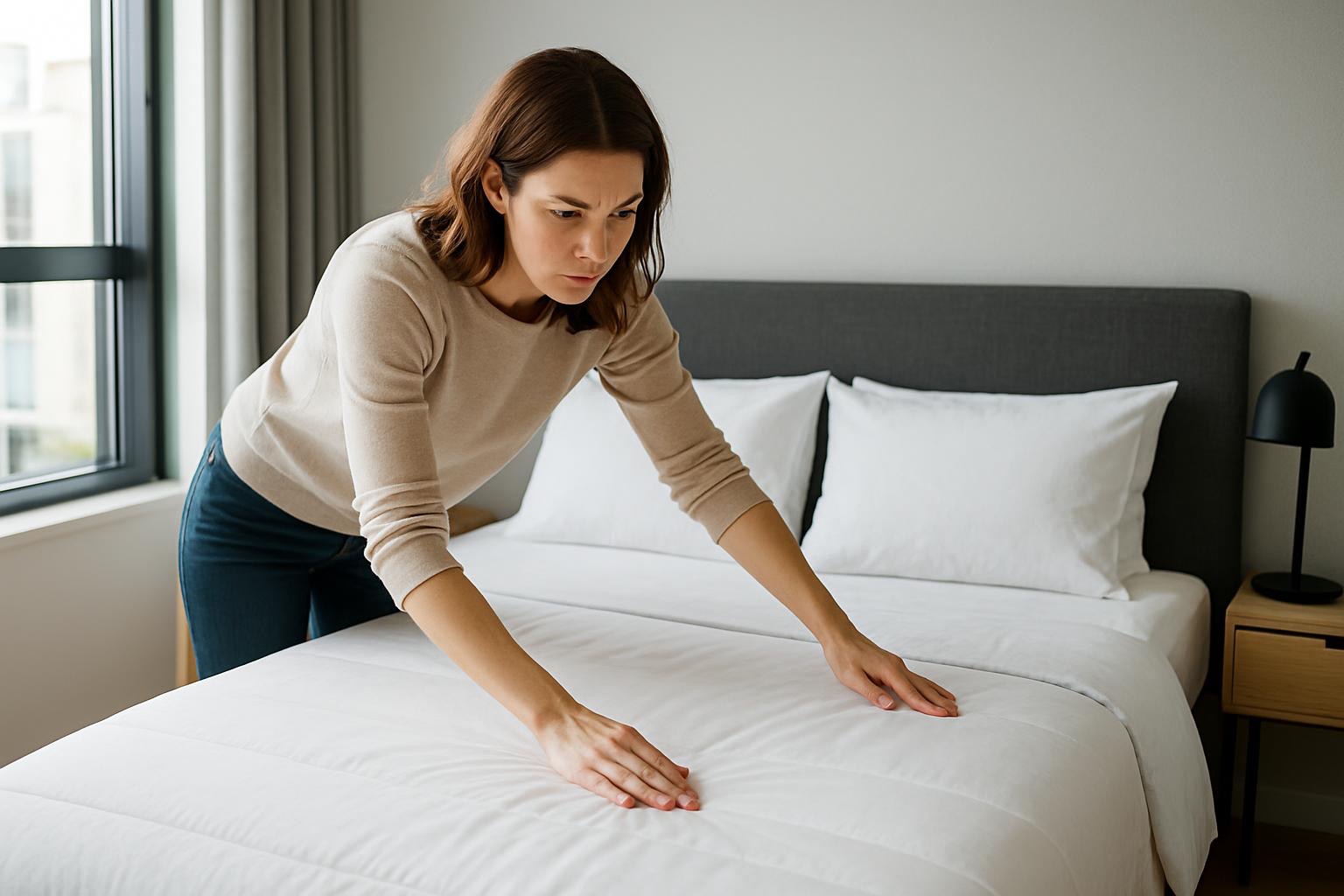
- Make your bed: This single action instantly makes your room look neater and gives you a sense of accomplishment to start the day
- Open windows: Let in fresh air and natural light to energize your space
- Clear overnight clutter: Put away items left in common areas like books, devices, or clothing
- Quick kitchen scan: Load any remaining dishes from breakfast prep and wipe the counter
Midday Maintenance (5 minutes)
- Wipe high-traffic surfaces: Clean counters, sinks, or dining table after use
- Bathroom check: Empty trash, hang towels properly, and restock essentials like toilet paper
- Mail and paper management: Sort incoming mail immediately: toss, file, or act on it
- One-room focus: Choose a different room each day for a quick tidy-up
Evening Wind-Down (5 minutes)
- Kitchen cleanup: Wash dishes or load the dishwasher, wipe down surfaces
- Trash and recycling: Empty bins if needed and take bags to the curb on collection days
- Living area reset: Fluff cushions, fold throws, and put items back in their designated spots
- Tomorrow’s prep: Set out clothes, pack bags, or prep coffee for a smoother morning
This method helps you create an organized living space quickly.
Maintaining a clean home in 15 minutes a day is easier than most people think.

The 15 Minute Daily Cleaning Routine Your Home is Begging For
Advanced Strategies for Maximum Impact
The Power of Zones
Divide your home into zones and assign each to a specific day of the week. Monday might be bathrooms, Tuesday could be bedrooms, and so on. This prevents any area from being neglected while keeping your daily commitment manageable.
The Two-Minute Rule
If something takes less than two minutes to complete, do it immediately rather than adding it to your mental to-do list. This prevents small tasks from accumulating into overwhelming piles.
Seasonal Adaptations
Your 15 minute routine to keep your home clean and organized should evolve with the seasons. Summer might focus more on outdoor spaces and managing sandy floors, while winter could emphasize entryway organization and managing wet boots and coats.
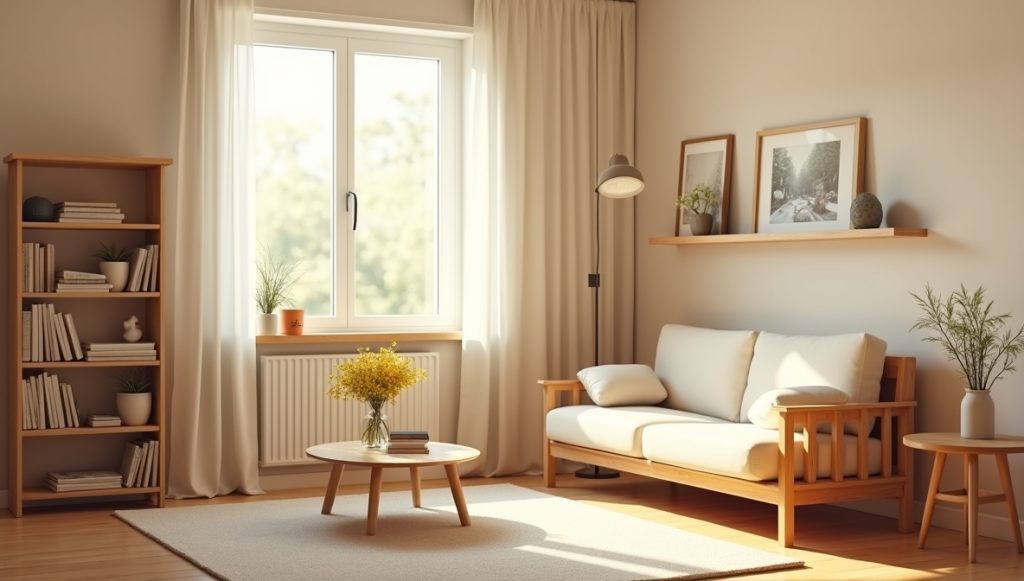
A clutter-free home promotes mental clarity.
Game-Changing Tips for Success
- Use a timer religiously: This keeps you focused and prevents perfectionism from derailing your routine
- Create a family cleaning playlist: Upbeat music makes the time pass quickly and can even make cleaning fun
- Involve the whole family: Assign age-appropriate tasks to children and rotate responsibilities among adults
- Try the “put away basket” method: Keep a basket in central locations to collect items that belong in other rooms, then distribute them during your evening routine
- Invest in quality cleaning supplies: Having the right tools in easily accessible locations eliminates excuses
- Practice the “one in, one out” rule: When you bring something new home, remove something old to prevent accumulation
The Psychology Behind the System
Understanding why this approach works can help you stick with it long term. The 15 minute method leverages several psychological principles:
Momentum Building: Small wins create motivation for bigger changes. When your home looks good, you naturally want to maintain that standard.
Reduced Decision Fatigue: Having a set routine eliminates the mental energy spent deciding what to clean and when.
Stress Reduction: A tidy environment directly impacts cortisol levels, helping you feel calmer and more focused throughout the day.
Pride and Ownership: Regular care of your space builds a stronger emotional connection to your home.
Common Pitfalls to Avoid
- Perfectionism paralysis: Remember that “good enough” is truly good enough for daily maintenance
- Skipping days: Consistency matters more than perfection; even 5 minutes is better than nothing
- Overwhelming yourself: Start small and gradually add tasks as the habit solidifies
- Ignoring problem areas: Identify your home’s trouble spots and build specific solutions into your routine
Strategic Tool and Product Selection for Maximum Efficiency
The right cleaning tools transform your 15 minute routine from exhausting to effortless. Contemporary cleaning technology offers sophisticated solutions that multiply your effectiveness without increasing time investment. Understanding which tools deserve space in your home revolutionizes your daily maintenance approach.
Microfiber technology represents perhaps the single most impactful cleaning innovation for home maintenance. Quality microfiber cloths trap dirt, dust, and bacteria at the microscopic level using minimal water and no chemical cleaners.
Unlike traditional cloths that push particles around surfaces, microfiber’s specialized structure captures and holds debris until laundering. Invest in color coded microfiber systems designating specific colors for bathrooms, kitchens, and general surfaces, preventing cross contamination while maintaining organizational clarity.
Modern vacuum technology has evolved beyond simple suction power. Cordless stick vacuums from brands like Dyson and Shark now deliver performance rivaling traditional uprights while offering unprecedented convenience for quick daily maintenance.
These lightweight tools eliminate the friction of dragging out heavy equipment, making it psychologically easier to address small messes immediately rather than postponing until they accumulate.
Look for models with extended battery life exceeding 30 minutes, powerful motorized brush heads for multiple floor types, and washable HEPA filtration protecting indoor air quality.
Multi compartment cleaning caddies eliminate wasted time searching for supplies or making repeated trips between rooms. A well organized caddy contains everything needed for surface cleaning, positioned for grab and go convenience.
Essential caddy contents include microfiber cloths, all purpose cleaner in a spray bottle, glass cleaner, disinfecting wipes for quick bathroom touchups, and a small scrub brush for stubborn spots. Store duplicate caddies on each floor of multi story homes, further reducing time friction.
Refillable cleaning systems represent both economic and environmental wins for sustainable home maintenance. Concentrated cleaning tablets or pods that dissolve in reusable bottles dramatically reduce plastic waste while eliminating the expense and storage challenges of purchasing full size products repeatedly.
Companies like Blueland and Grove Collaborative offer starter systems with attractive, countertop worthy bottles that encourage consistent use. These concentrated formulas often contain fewer harsh chemicals than traditional products while maintaining effective cleaning power.
Ergonomic design considerations matter more than many homeowners realize, particularly for tools used daily. Extended handles reduce bending and reaching strain on backs and shoulders. Comfortable grip materials prevent hand fatigue during scrubbing tasks.
Lightweight construction enables easier maneuvering without sacrificing durability. These seemingly minor features accumulate significant impact when tools see daily use throughout years of home maintenance.
Specialized tools for high traffic problem areas justify their dedicated storage space through time savings and superior results. A quality squeegee mounted in the shower enables 30 second post shower wipe downs preventing soap scum and water spot buildup that requires intensive scrubbing weekly.
A designated doormat system with both exterior and interior mats captures dirt before it enters living spaces, dramatically reducing floor cleaning frequency. Small handheld vacuums stationed near pet areas or high traffic entryways make addressing scattered debris a five second task rather than a procrastinated project.
Smart storage solutions for cleaning supplies prevent the common scenario where tools languish in cluttered closets rather than being readily accessible when needed. Wall mounted organizers in laundry rooms, under sink pull out caddies, and over the door hanging systems transform dead space into functional storage while keeping supplies visible and accessible.
When tools live in convenient, designated locations rather than buried in chaos, you naturally use them more consistently.
Read more: How to Keep Your Home Clean and Organized in Just 15 Minutes Daily?Smart Home Management: How to Organize Your Daily Life Efficiently.
The Decluttering Foundation: Less Stuff Means Less to Clean
The most powerful cleaning strategy paradoxically involves removing items rather than developing better cleaning techniques. Every object in your home requires decisions, maintenance, and physical space. The more possessions you own, the more time you necessarily invest in their care, regardless of cleaning system efficiency.
Understanding the relationship between clutter and cleaning time reveals why decluttering deserves priority before optimizing cleaning routines. Surfaces covered with objects require moving each item before wiping, doubling or tripling cleaning duration. Floors crowded with furniture and storage make vacuuming a complex navigation exercise.
Closets stuffed with unused items prevent efficient organization and make locating needed possessions a time consuming search rather than a quick retrieval.
Implement the “one in, one out” rule as a sustainable approach preventing future accumulation while allowing thoughtful additions to your home. When you purchase a new item in any category, something existing in that category leaves your home through donation, sale, or disposal.
This simple principle maintains equilibrium rather than allowing possessions to endlessly expand consuming increasing amounts of space, time, and mental energy.
Practice intentional “possession auditing” examining items through the lens of actual utility and genuine enjoyment rather than hypothetical future use or sentimental obligation. Many homes contain hundreds of objects kept “just in case” despite years without use, items inherited feeling obligatory to retain, or purchases representing wasted money creating guilt around disposal.
Permission to release these possessions liberates both physical space and psychological burden.
Seasonal rotation systems reduce daily visual clutter while maintaining access to all possessions throughout the year. Store off season clothing, holiday decorations, and seasonal sports equipment in less accessible locations, keeping only currently relevant items in primary living spaces.
This practice dramatically reduces the number of objects requiring daily tidying while simplifying decisions about what to wear, how to spend free time, and which decorations to display.
Create designated homes for every category of possession, eliminating the decision fatigue around where to put items when tidying. Mail gets sorted immediately at a small entry table with trash bin, action file, and permanent storage. Keys hang on dedicated hooks. Shoes live in a specific closet or bench.
When every item has an obvious, consistent home, putting things away becomes automatic rather than requiring conscious thought and decision making.
Digital decluttering deserves attention alongside physical possessions. Unsubscribe from email lists cluttering your inbox. Delete apps you haven’t used in months. Organize digital photos into folders rather than leaving thousands in chronological chaos.
This digital organization supports the same mental clarity benefits as physical decluttering while eliminating time wasted searching for information or being distracted by digital noise.
The psychology of decluttering extends beyond simple time savings. Visual clutter creates subconscious stress activating cortisol production even when you’re not consciously aware of its presence. Simplified spaces support focus, creativity, and relaxation in ways cluttered environments cannot match.
Many people report sleeping better, thinking more clearly, and feeling more peaceful in decluttered homes, benefits extending far beyond the quantifiable time savings.
Building Sustainable Family Cleaning Systems
Transforming home maintenance from individual burden to shared family responsibility requires thoughtful system design considering developmental capabilities, motivational psychology, and sustainable habit formation. Successful family cleaning systems distribute work equitably while building life skills in children and reducing parental stress.
Age appropriate task assignment ensures children contribute meaningfully without becoming overwhelmed or frustrated. Toddlers ages 2 to 4 can put toys in designated bins, place dirty clothes in hampers, and wipe spills with assistance. Children 5 to 7 manage room tidying, setting and clearing the table, and basic pet care tasks.
Ages 8 to 11 handle dishwasher loading, bathroom counter wiping, and trash management. Teenagers can tackle any household task with proper instruction, including laundry, meal preparation, and bathroom cleaning.
Visual systems work more effectively than verbal reminders, particularly for younger children. Photograph based chore charts showing the expected end result eliminate ambiguity about task completion standards.
Checklist charts with boxes to mark create satisfying visual progress tracking. Rotating responsibility wheels distribute less desirable tasks fairly across family members while preventing the resentment that builds when the same person always handles unpleasant jobs.
Natural consequences teach responsibility more effectively than punishment based systems. Children who don’t put dirty clothes in hampers wear dirty clothes or wash them independently. Those who don’t clear dishes after meals find no clean plates at the next meal.
These logical outcomes connect actions and results without parental nagging or manufactured punishments, building internal motivation and life skills.
Gamification strategies harness competitive and achievement motivation making cleaning more engaging for children. Timer races against previous completion times build speed and efficiency. Point systems earning privileges or allowance translate abstract work into concrete rewards.
Family challenge weeks with special prizes for consistent participation build momentum and celebrate success.
Regular family meetings discussing home maintenance systems create opportunities for collaborative problem solving and shared ownership. Children contribute ideas for improving processes, voice frustrations about unfair distribution, and celebrate family successes maintaining your shared space.
These meetings teach negotiation, communication, and systems thinking while ensuring everyone feels heard and valued as team members.
Model the behaviors and attitudes you want children to develop around home care. Complaining while cleaning teaches them to resent household tasks. Rushing through tasks carelessly demonstrates that quality doesn’t matter.
Conversely, approaching cleaning with calm focus, taking pride in results, and expressing gratitude for the comfortable home you’re maintaining instills positive associations that serve them throughout life.
Realistic expectations prevent the perfectionism that derails family cleaning systems. Children will not clean to adult standards initially. Teaching moments addressing substandard work should emphasize learning and improvement rather than criticism and blame.
The long term goal of capable, self-sufficient adults who maintain their own homes requires years of patient instruction and practice, not immediate perfection.
Tracking Your Progress
Consider keeping a simple checklist or using a habit tracking app to monitor your consistency. Many people find that seeing their streak of successful days motivates them to continue. You might also take weekly photos of key areas to visually document your progress.
Beyond the Basics: Weekly and Monthly Tasks
While your daily 15 minutes handles maintenance, you’ll still need occasional deeper cleaning. Schedule 30 minutes weekly for tasks like:
- Vacuuming or mopping floors
- Cleaning appliances
- Changing bed linens
- Organizing one drawer or closet
Monthly tasks might include:
- Deep cleaning bathrooms
- Washing windows
- Organizing pantry or storage areas
- Seasonal decoration changes
“This 15 minute routine is all you need to maintain a clean and organized home.”
CONCLUSION:
You don’t need hours to care for your home effectively. A quick 15 minute routine keeps your space clean, organized, and welcoming while supporting your overall well being. The key is starting small, staying consistent, and remembering that progress, not perfection, is the goal.
Your home should be your sanctuary a place that nurtures and restores you rather than adding stress to your life. By investing just 15 minutes daily, you’re not just maintaining a clean space; you’re creating an environment that supports your mental and emotional well-being, improves your productivity, and allows you to truly enjoy your downtime.
Remember: A tidy home isn’t about impressing others it’s about creating a space where you can thrive.
Start tomorrow with just one 5 minute session. Your future self will thank you, and you might be surprised how quickly this small change transforms not just your home, but your entire daily experience.
Read more: How to Keep Your Home Clean and Organized in Just 15 Minutes Daily?Harvard Medical School – Brain and Wellness Research
American Psychological Association – Behavioral and Mental Health Research
NOTE: “The information in this post is based on guidelines and research from leading health institutions including the American Psychological Association (APA), Harvard Medical School, and other recognized medical authorities.”
Looking for comprehensive guidance on caring for your baby? Our book ‘How to Care for Children: From Birth to Age 2’ combines professional nanny experience with evidence based child development research. Written by Kelly and Peter, this guide provides clear, reliable advice rooted in real world childcare. Available in English, Spanish, and Portuguese on Amazon.
Click the link below your preferred language to get your copy!




1. Can I really keep my entire home clean in just 15 minutes per day?
Yes, but with an important clarification. The 15 minute daily routine maintains an already reasonably organized home and prevents mess accumulation. You’ll still need occasional deeper cleaning sessions weekly or monthly. The key is that daily 15 minute maintenance prevents the overwhelming buildup that requires hours of intensive cleaning. Think of it like dental care: brushing daily prevents major problems, but you still need periodic professional cleanings.
2. What if I miss a day or several days of my cleaning routine?
Missing days is completely normal and doesn’t mean failure. Simply restart your routine without trying to “catch up” on missed days all at once. One of this system’s strengths is its flexibility. If you miss three days, don’t attempt a 45 minute marathon session. Just do your regular 15 minutes and you’ll quickly return to baseline. Consistency matters more than perfection, and occasional breaks won’t derail your overall progress.
3. How do I get my family members to participate in the 15 minute routine?
Start by explaining how the system benefits everyone through a more pleasant living environment and more free time on weekends. Assign age appropriate tasks and use visual charts or checklists so expectations are clear. Consider setting a timer and making it a family activity where everyone works simultaneously for 15 minutes. Lead by example with a positive attitude, and celebrate successes rather than focusing on mistakes. Remember that building these habits takes time and patience.
4. What cleaning supplies are absolutely essential for this routine?
You need surprisingly few products. Essential items include quality microfiber cloths in different colors for different areas, an all purpose cleaner, glass cleaner, disinfecting wipes, and a good vacuum or broom. A cleaning caddy to transport supplies room to room saves significant time. Many people find that simplifying their cleaning product collection actually improves efficiency by eliminating decision fatigue about which product to use for each task.
5. How do I adapt this routine for a larger home or smaller apartment?
For larger homes, consider the zone approach where you divide your space into sections and rotate daily focus areas. You might also extend to two 15 minute sessions daily or involve more family members. For smaller apartments, you may find 15 minutes provides more than enough time, allowing you to incorporate some deeper tasks into daily rotation. The fundamental principle remains the same: consistent brief maintenance prevents overwhelming buildup regardless of home size.
6. What should I do when unexpected messes happen?
Address spills and major messes immediately using the two minute rule: if cleanup takes under two minutes, handle it right away rather than adding it to your routine. For larger unexpected messes, decide whether they truly require immediate attention or can wait until your scheduled cleaning time. Not every mess constitutes an emergency. Learning to distinguish between genuine urgency and perceived urgency reduces stress and prevents cleaning from dominating your entire day.
7. How long before I start seeing real results from this routine?
Most people notice improved home appearance within three to five days of consistent practice. The psychological benefits often appear even sooner as you experience the satisfaction of daily accomplishment and reduced visual clutter. After two to three weeks, the routine typically becomes habitual, requiring less conscious effort and decision making. After two to three months, you’ll likely notice substantial time savings compared to your previous cleaning approach as accumulated mess becomes rare.
Want a complete baby care guide?
Get our FREE checklist sent directly to your inbox - covering everything from birth to age 2, including daily routines, safety guidelines, and developmental milestones.
- ✅ Birth to 3 months essentials
- ✅ 4-12 months routines & alerts
- ✅ 1-2 years development & safety
Enter your email to receive instant access to the PDF