

Baby sleep problems affect nearly every family with infants, but not all sleep challenges are created equal. While most parents expect sleepless nights during the first year, certain infant sleep disorders go far beyond typical developmental patterns and require professional intervention.
As a professional nanny with over 10 years of experience caring for infants and co-author of “How to Care for Children: From Birth to Age 2,” I’ve witnessed countless families struggle with sleep deprivation. However, I’ve also learned to recognize when baby won’t sleep through night because of normal development versus when newborn sleep issues indicate a more serious underlying condition.
The distinction matters tremendously. Normal infant sleep patterns, while exhausting, resolve with time and consistent routines. True sleep regression babies experiencing medical conditions, however, need specialized assessment and treatment to prevent developmental delays and health complications.
This comprehensive guide examines eight critical baby sleep problems that parents frequently overlook or dismiss as “just a phase.” You’ll learn the difference between challenging sleep and dangerous sleep disorders, discover evidence-based warning signs, and understand exactly when to consult a pediatric sleep specialist.
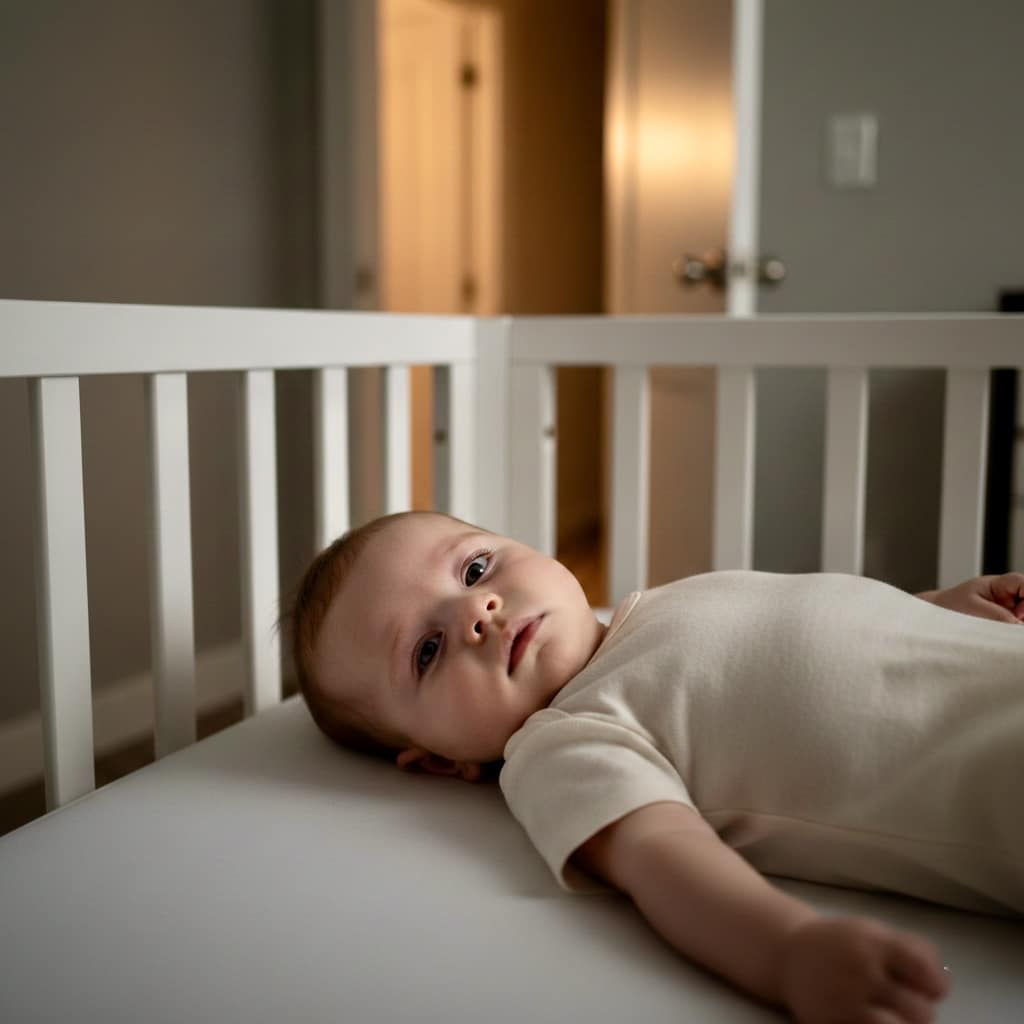
The information provided comes from current pediatric sleep research, American Academy of Pediatrics guidelines, and my decade of hands-on experience with hundreds of families. Whether you’re a first-time parent or experienced caregiver, recognizing these eight critical conditions could transform your baby’s health, development, and your entire family’s wellbeing.
Let’s explore the infant sleep disorders that too many parents miss until problems escalate.
Understanding Normal Baby Sleep vs. Sleep Disorders
Before identifying problematic baby sleep problems, parents need baseline knowledge of typical infant sleep development.
Newborns sleep 14 to 17 hours daily in short bursts, waking every 2 to 3 hours for feeding. This fragmented pattern is completely normal and biologically necessary. By 3 to 4 months, many babies begin consolidating sleep into longer stretches, though night waking remains common and healthy throughout the first year.
Sleep regression babies typically experience temporary disruptions around 4 months, 8 months, 12 months, and 18 months due to developmental leaps, teething, or separation anxiety. These regressions, while exhausting, generally resolve within 2 to 6 weeks with consistent routines.

However, infant sleep disorders differ fundamentally from normal patterns. True sleep disorders persist beyond typical regression timeframes, worsen over time, or present with concerning physical symptoms beyond simple wakefulness.
Warning signs that baby won’t sleep through night due to a disorder include:
Persistent breathing irregularities during sleep, extreme difficulty falling asleep despite exhaustion, frequent sudden waking with distress or fear, excessive daytime sleepiness interfering with feeding or development, or sleep patterns that steadily deteriorate rather than gradually improve.
The following eight conditions represent the most critical newborn sleep issues requiring medical evaluation. Each section provides specific symptoms, risk factors, and action steps.
1. Obstructive Sleep Apnea in Infants
Obstructive sleep apnea represents one of the most dangerous yet frequently missed baby sleep problems. This condition occurs when a baby’s airway becomes partially or completely blocked during sleep, causing breathing pauses lasting 10 seconds or longer.
Unlike adult sleep apnea, infant sleep disorders involving breathing often present subtly. Parents might notice snoring, which seems cute or harmless, without recognizing it signals potential airway obstruction.
Critical symptoms of infant obstructive sleep apnea:
Loud snoring or noisy breathing during sleep, observable pauses in breathing followed by gasping or choking sounds, sleeping with the neck hyperextended or in unusual positions to maintain airway opening, excessive sweating during sleep, persistent mouth breathing, frequent night waking with apparent distress, and poor weight gain despite adequate feeding attempts.
Babies with enlarged tonsils or adenoids, craniofacial abnormalities, Down syndrome, or obesity face higher risk. Even slight obstructive sleep apnea severely impacts oxygen delivery to developing brains, potentially causing cognitive delays, behavioral problems, and cardiovascular stress.
If you observe breathing pauses, loud snoring, or unusual sleep positions consistently, consult your pediatrician immediately. Diagnosis typically requires overnight polysomnography (sleep study) at a pediatric sleep center. Treatment options include positional therapy, addressing underlying causes like enlarged adenoids, or in severe cases, surgical intervention.
American Academy of Pediatrics sleep apnea guidelines
2. Severe Insomnia Beyond Normal Wakefulness
When baby won’t sleep through night despite appropriate sleep hygiene, age-appropriate schedules, and consistent routines for months, severe insomnia may be the underlying cause.
Infant insomnia differs from typical newborn sleep issues. True insomnia in babies involves chronic inability to fall asleep or stay asleep despite adequate opportunity and appropriate environment. This goes far beyond sleep regression babies experience during developmental transitions.
Distinguishing characteristics of infant insomnia:
Consistently requiring more than 30 to 45 minutes to fall asleep despite obvious exhaustion, waking multiple times nightly with inability to return to sleep without extensive intervention lasting months beyond newborn period, total sleep duration significantly below age-appropriate norms (less than 11 hours for 6 to 12 month olds), and distress behaviors like prolonged crying or extreme resistance to sleep.
Underlying causes include undiagnosed reflux causing pain when lying flat, food sensitivities creating discomfort, neurological conditions affecting sleep-wake regulation, or severe anxiety even in young infants.
Pediatric sleep specialists can evaluate whether baby sleep problems stem from behavioral factors, environmental issues, or medical conditions requiring treatment. Comprehensive sleep assessment examines feeding patterns, growth curves, developmental milestones, and family sleep histories.
Read more: 8 Critical Baby Sleep Problems Parents Always Miss (And What to Do)3. Restless Sleep Syndrome and Periodic Limb Movements
Restless sleep syndrome causes babies to move excessively during sleep, preventing deep, restorative rest despite spending adequate time in bed. This infant sleep disorder often goes unrecognized because parents assume babies naturally move frequently.
However, abnormal movement patterns differ from typical infant activity. Babies with restless sleep syndrome or periodic limb movement disorder exhibit repetitive, stereotyped movements every 20 to 40 seconds throughout the night.
Observable patterns suggesting movement disorders:

Constant rolling, thrashing, or repositioning every few minutes, rhythmic leg kicking or arm flailing during sleep, sleeping in unusual or uncomfortable-looking positions, waking frequently due to their own movements, appearing unrested despite adequate sleep duration, and daytime irritability or hyperactivity.
These baby sleep problems may indicate iron deficiency, a common and treatable cause of restless sleep syndrome. Low ferritin levels disrupt dopamine regulation in developing brains, manifesting as movement during sleep.
Simple blood tests measuring ferritin and iron levels can identify deficiency. Iron supplementation, when appropriate and properly dosed by a pediatrician, often dramatically improves sleep quality within weeks.
Never administer iron supplements without medical guidance, as excess iron poses serious health risks. Your pediatrician will determine appropriate testing and treatment protocols.
4. Circadian Rhythm Disorders in Infants
Baby won’t sleep through night sometimes because their internal biological clock hasn’t properly aligned with day-night cycles. While newborn sleep issues related to immature circadian rhythms are expected initially, persistent misalignment beyond 4 to 6 months may indicate a disorder.
Delayed sleep phase disorder causes babies to naturally feel alert late at night and sleepy late in the morning, despite parents’ efforts to establish earlier schedules. Advanced sleep phase disorder, less common in infants, creates opposite patterns with very early bedtimes and wake times.
Indicators of circadian rhythm problems:
Consistently falling asleep very late (after 11 PM) or very early (before 6 PM) despite appropriate wake windows, extreme difficulty waking at typical morning times, feeling most alert during unconventional hours, sleep patterns that resist modification despite weeks of consistent schedule attempts, and family history of similar patterns.
Circadian rhythm infant sleep disorders require specialized intervention. Light exposure therapy, carefully timed melatonin administration (only under pediatric supervision), and strategic scheduling can help reset biological clocks.
Consult a pediatric sleep medicine specialist if your baby’s sleep-wake patterns seem fundamentally misaligned with typical schedules and resist conventional sleep training approaches.
National Sleep Foundation infant sleep guidelines:
5. Parasomnias: Night Terrors and Confusional Arousals
Parasomnias represent sleep regression babies and older infants experience involving unusual behaviors during sleep transitions. While sleepwalking rarely occurs before toddlerhood, night terrors and confusional arousals can affect babies as young as 6 months.
Night terrors cause sudden episodes of intense fear during sleep. Unlike nightmares, babies experiencing night terrors don’t fully wake and typically don’t remember the episode. Confusional arousals involve partial waking with disorientation, crying, and resistance to comfort.
Characteristics of parasomnias in infants:
Sudden screaming or crying 1 to 3 hours after falling asleep, appearing awake with open eyes but unresponsive to parents, pushing away comfort attempts or seeming not to recognize caregivers, rapid breathing and sweating during episodes, complete return to peaceful sleep afterward with no memory of the event, and episodes lasting 5 to 45 minutes.
These newborn sleep issues often run in families and may worsen with sleep deprivation, illness, or stress. While usually harmless developmentally, frequent parasomnias disrupt family sleep and may indicate underlying sleep debt.
Ensuring age-appropriate, sufficient total sleep often reduces parasomnia frequency. Maintaining consistent bedtimes, optimizing sleep environments, and addressing any factors fragmenting sleep helps minimize episodes.
Safety measures like securing furniture and using video monitors allow monitoring without dangerous intervention during episodes. Most children outgrow parasomnias by school age.
Read more: 8 Critical Baby Sleep Problems Parents Always Miss (And What to Do)6. Sleep-Related Gastroesophageal Reflux Disease
Gastroesophageal reflux disease (GERD) represents a frequently overlooked cause of baby sleep problems. While most infants experience some reflux, pathological GERD causes pain and sleep disruption requiring medical treatment.
Babies with GERD often associate lying flat with discomfort, creating negative sleep associations. This infant sleep disorder prevents restful sleep and can lead to feeding aversions, poor weight gain, and chronic sleep deprivation.
Signs that reflux is disrupting sleep:
Frequent waking with crying shortly after being laid down, arching back or neck during or after feeds, refusing to lie flat or sleeping only when held upright, chronic coughing or choking sounds during sleep, wet burps or vomiting during or after sleep periods, and extreme fussiness that improves when upright.
Diagnosis involves clinical evaluation, sometimes including pH probe studies or upper endoscopy for severe cases. Treatment ranges from feeding modifications and positioning strategies to medications reducing stomach acid production.
Never elevate a baby’s sleep surface without pediatric guidance, as improper positioning increases SIDS risk. Approved GERD management strategies prioritize safety while addressing discomfort.
Untreated GERD can cause esophageal damage, feeding difficulties, and chronic sleep deprivation affecting development. If you suspect reflux is causing baby won’t sleep through night patterns, discuss concerns with your pediatrician promptly.
7. Narcolepsy and Excessive Daytime Sleepiness
While rare in infancy, narcolepsy and excessive daytime sleepiness disorders can begin before age one. These conditions cause overwhelming sleep attacks during the day despite adequate nighttime sleep.
Excessive daytime sleepiness differs from typical infant napping. Babies with sleep disorders causing pathological sleepiness cannot maintain wakefulness even during engaging activities like feeding or play.
Warning signs of excessive sleepiness disorders:
Falling asleep suddenly during feeds, difficulty maintaining wakefulness for age-appropriate wake windows, sleeping significantly more than developmental norms (over 17 hours for newborns, over 15 hours after 3 months), weak muscle tone during wakefulness, and developmental delays potentially related to insufficient alert time.
These baby sleep problems may indicate neurological conditions, metabolic disorders, or primary sleep disorders like infant narcolepsy. Comprehensive medical evaluation including neurological assessment, metabolic screening, and sleep studies helps identify underlying causes.
Early diagnosis allows intervention to maximize developmental opportunities during crucial early months. Treatment varies based on underlying cause but may include medication, scheduled napping, and developmental support services.

8. Sleep Disorders Secondary to Medical Conditions
Many infant sleep disorders occur secondary to other medical conditions. Heart disease, respiratory problems, neurological conditions, metabolic disorders, and chronic pain can all severely disrupt sleep.
When baby won’t sleep through night despite addressing behavioral and environmental factors, underlying medical issues deserve investigation. Sleep disturbance often serves as an early indicator of health problems requiring treatment.
Medical conditions commonly affecting infant sleep:
Congenital heart defects causing breathing difficulty when lying flat, chronic lung disease or asthma creating nighttime respiratory distress, seizure disorders with nocturnal seizures, food allergies or eczema causing itching and discomfort, and undiagnosed pain from conditions like ear infections or urinary tract infections.
Babies with known medical conditions require proactive sleep management as part of comprehensive care. Regular communication with your pediatrician about sleep patterns helps identify when changes might signal disease progression or new complications.
Comprehensive sleep assessment for medically complex infants should involve multidisciplinary teams including pediatricians, specialists relevant to underlying conditions, and sleep medicine experts.
Read more: 8 Critical Baby Sleep Problems Parents Always Miss (And What to Do)When to Seek Professional Sleep Evaluation
Knowing when newborn sleep issues require professional evaluation versus when to continue home strategies can be challenging. The following guidelines help parents make informed decisions.
Seek immediate medical evaluation if:
You observe breathing pauses longer than 10 seconds during sleep, your baby turns blue or dusky during sleep, choking episodes occur during sleep, your baby seems unable to breathe comfortably while lying down, or you witness seizure-like activity during sleep.
Schedule pediatric appointment within days if:
Baby sleep problems persist beyond 2 months despite consistent sleep hygiene, your baby seems exhausted but cannot fall or stay asleep, excessive daytime sleepiness interferes with feeding or development, loud snoring occurs regularly, or your baby exhibits extreme distress around sleep consistently.
Consider sleep specialist referral if:
Your pediatrician cannot identify causes of persistent sleep problems, behavioral interventions fail after 4 to 6 weeks of consistent implementation, you suspect infant sleep disorders like apnea or movement disorders, or your baby has medical conditions affecting sleep.
Pediatric sleep medicine specialists offer comprehensive evaluation including detailed sleep histories, physical examination, and when indicated, overnight sleep studies. These assessments identify specific sleep regression babies experience versus true disorders requiring medical intervention.
Creating Optimal Sleep Environments
While addressing medical baby sleep problems requires professional help, optimizing sleep environments supports healthy sleep for all infants.
Evidence-based sleep environment recommendations:
Room temperature between 68 and 72 degrees Fahrenheit, complete darkness or very dim red nightlight only, white noise machines producing consistent, gentle sound, firm sleep surfaces meeting current safety standards, and appropriate sleepwear for temperature.
Remove all loose bedding, pillows, stuffed animals, and bumper pads from sleep spaces. These items increase SIDS risk without providing benefits. Babies sleep safest on their backs in empty cribs or bassinets.
Consistent bedtime routines signal sleep time even for young infants. Bath, feeding, books, and songs in the same sequence nightly help babies recognize sleep approaches.
Read more: 8 Critical Baby Sleep Problems Parents Always Miss (And What to Do)Conclusion
Understanding the difference between typical baby won’t sleep through night challenges and serious infant sleep disorders empowers parents to seek appropriate help when needed. While most newborn sleep issues resolve with time, development, and consistent routines, the eight critical conditions covered here require medical evaluation and intervention.
Baby sleep problems affecting breathing, causing excessive movements, severely disrupting sleep despite optimal conditions, or occurring alongside other health concerns should never be dismissed as “just a phase.” Your parental instincts matter. If something feels wrong with your baby’s sleep beyond typical infant patterns, trust those instincts and consult your pediatrician.
Sleep affects every aspect of infant development including brain growth, immune function, emotional regulation, and learning capacity. Identifying and treating sleep regression babies experience due to medical conditions versus normal development literally changes developmental trajectories.
Use this guide as a reference tool. Review the warning signs periodically, especially during high-risk periods like illness or developmental transitions. Early recognition and intervention provide the best outcomes for infant sleep disorders.
Remember, seeking help for concerning sleep patterns doesn’t mean you’ve failed as a parent. It means you’re advocating effectively for your baby’s health and development. Every baby deserves restorative, healthy sleep, and sometimes achieving that requires professional support. You’re doing an amazing job navigating the complex world of infant care.
Looking for comprehensive guidance on caring for your baby? Our book ‘How to Care for Children: From Birth to Age 2’ combines professional nanny experience with evidence based child development research. Written by Kelly and Peter, this guide provides clear, reliable advice rooted in real world childcare. Available in English, Spanish, and Portuguese on Amazon.
Click the link below your preferred language to get your copy!




1. How do I know if my baby sleep problems are serious or just normal infant development?
Normal newborn sleep issues involve gradual improvement over time, consistent patterns that align with developmental stages, and babies who appear healthy and growing well despite frequent waking. Serious infant sleep disorders persist beyond typical timeframes (more than 2 to 3 months), worsen progressively, or include concerning physical symptoms like breathing pauses, choking sounds, excessive sweating, or blue discoloration.
If your baby won’t sleep through night due to observable breathing difficulties, extreme distress that cannot be soothed, or developmental delays alongside sleep problems, consult your pediatrician immediately. Trust your parental instincts. If something feels fundamentally wrong beyond typical exhaustion, seek professional evaluation.
2. At what age should I worry if my baby still wakes frequently at night?
Sleep regression babies commonly experience night waking throughout the first year and even into the second year, which is developmentally normal. However, the quality and pattern of waking matters more than frequency alone. By 6 months, most babies can sleep 6 to 8 hour stretches, though many healthy babies still wake 1 to 2 times for feeding.
Concerning patterns include waking every 30 to 60 minutes all night, waking with intense distress or pain, inability to fall back asleep without extensive intervention for hours, or waking accompanied by breathing difficulties or unusual movements. If your baby shows these patterns consistently beyond 6 months despite appropriate sleep hygiene, or if night waking suddenly worsens dramatically after months of better sleep, discuss concerns with your pediatrician.
3. Can baby sleep problems cause long term developmental issues?
Yes, untreated infant sleep disorders can significantly impact development. Sleep is when babies’ brains process learning, consolidate memories, release growth hormones, and develop neural connections. Chronic sleep deprivation from conditions like obstructive sleep apnea reduces oxygen delivery to developing brains, potentially causing cognitive delays, attention problems, and behavioral challenges.
Severe newborn sleep issues preventing adequate total sleep duration interfere with physical growth, immune system function, and emotional regulation development. However, most baby sleep problems, when identified and treated appropriately, resolve without lasting effects. Early intervention provides the best outcomes. This is why recognizing when baby won’t sleep through night due to medical conditions versus normal development is crucial for protecting long term health and development.
4. What should I do if I suspect my baby has a sleep disorder?
Start by documenting your observations for 1 to 2 weeks. Record sleep and wake times, feeding schedules, any unusual symptoms like snoring or breathing pauses, positioning preferences, and daytime behavior. Note what interventions you’ve tried and their results. Schedule an appointment with your pediatrician and bring this documentation. Clearly describe specific concerning symptoms rather than general statements like “bad sleeper.”
Ask direct questions about whether symptoms warrant sleep specialist referral. Your pediatrician may recommend initial interventions, order tests like iron level checks, or refer you directly to a pediatric sleep medicine specialist. Sleep studies (polysomnography) may be ordered if breathing problems or movement disorders are suspected. Don’t hesitate to seek second opinions if concerns remain unaddressed. You know your baby best, and persistent baby sleep problems deserve thorough investigation.
5. Are there safe ways to improve baby sleep at home before seeing a specialist?
Yes, optimizing sleep environments and routines often improves sleep quality even when underlying infant sleep disorders exist. Ensure room temperature stays between 68 and 72 degrees Fahrenheit, use blackout curtains or shades for complete darkness, and consider white noise machines for consistent sound. Establish predictable bedtime routines with the same sequence nightly: bath, feeding, books, songs. Ensure age-appropriate wake windows; overtired babies struggle to fall and stay asleep.
Practice safe sleep always: back sleeping position, firm mattress, empty crib without loose items. However, if sleep regression babies show concerning symptoms like breathing difficulties, extreme movements, or severe distress, or if basic interventions show no improvement after 4 to 6 weeks of consistency, professional evaluation should not be delayed. Home strategies support healthy sleep but cannot treat medical conditions requiring diagnosis and treatment.