
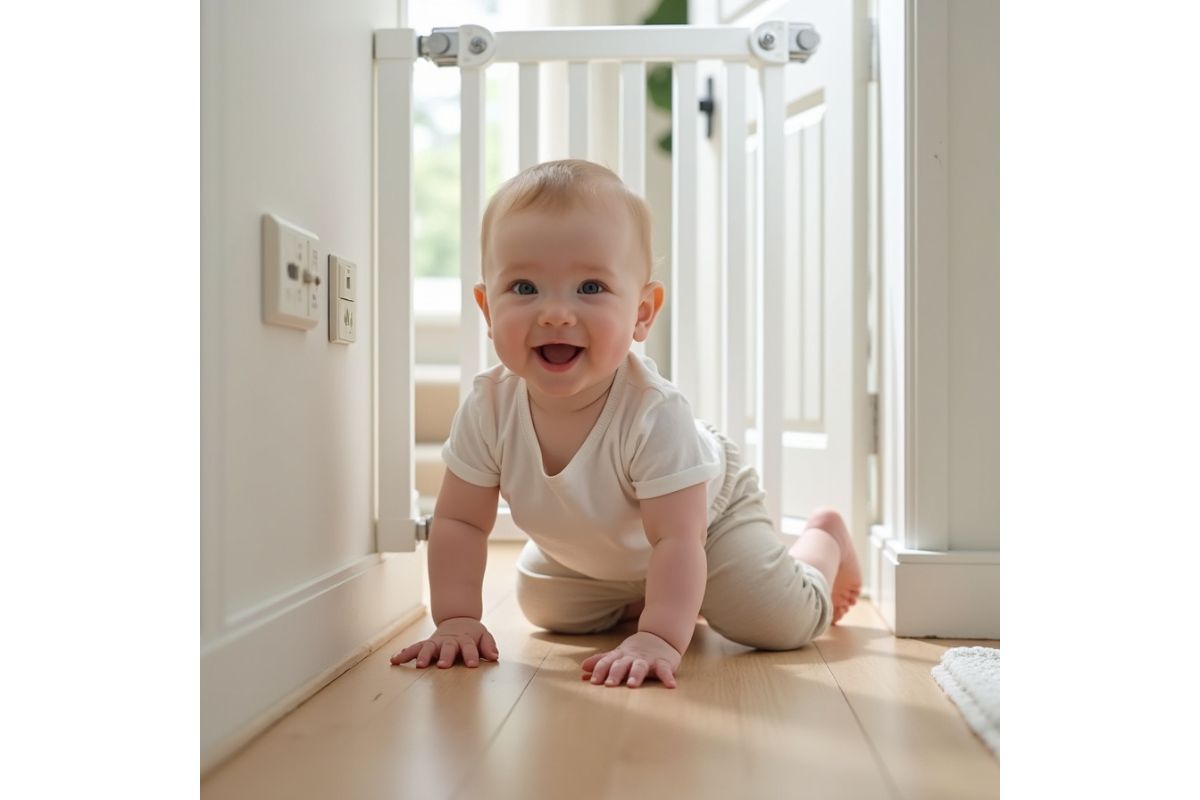
Essential toddler safety tips and comprehensive toddler safety measures become crucial as children begin to explore the world around them, making safety a top priority for parents and caregivers. While this exploration is essential for cognitive and physical growth, it also introduces new risks that require careful attention and preparation. Understanding how to create a toddler safety environment while allowing natural development is crucial for every parent navigating this exciting yet challenging phase.
Understanding the Toddler Mindset: Why Toddler Safety Matters More Than Ever
Effective toddler safety strategies must account for these developmental realities. Comprehensive toddler safety creates environments where exploration happens safely.
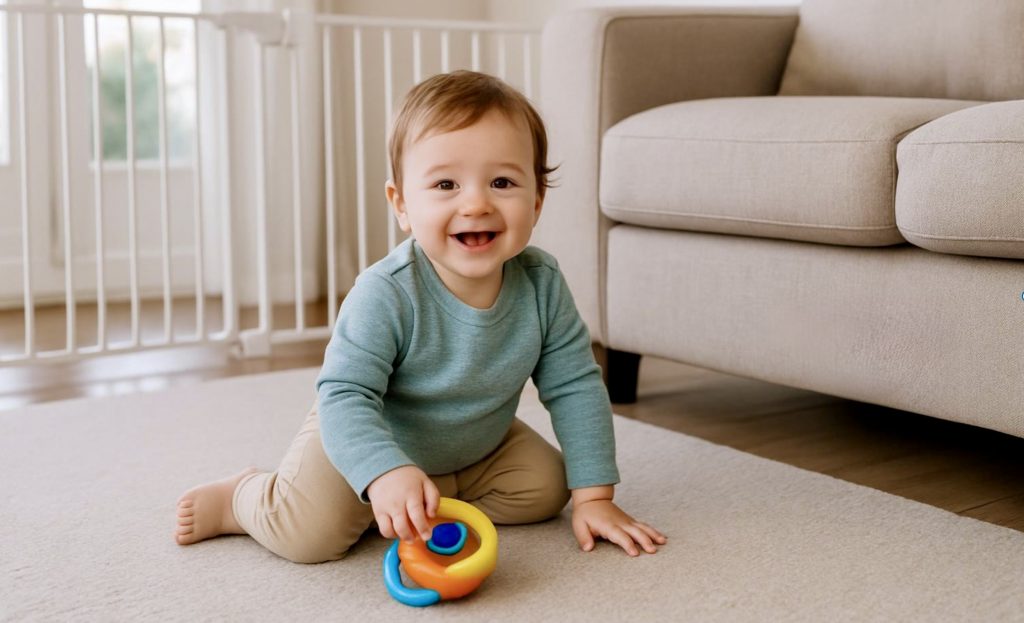
Toddler Safety warning: Between 1 and 3 years old, toddlers do not have intellectual awareness to comprehend danger or estimate risk. While their brains are developing faster than any other time in their lives, their prefrontal cortex location of their impulse control and risk management will not mature until their mid-twenties. With this developmental fact comes their behavior of acting on sheer curiosity and impulse without consequences.
Key Developmental Factors Affecting Toddler Safety:
Physical Development:
- Rapid growth in height and strength, but coordination lags behind
- Developing gross motor skills that may exceed balance abilities
- Natural tendency to test physical limits through climbing and jumping
- Limited understanding of spatial relationships and depth perception
Cognitive Development:
- Unable to understand cause and effect relationships consistently
- Limited memory for safety rules and instructions
- Difficulty distinguishing between safe and dangerous situations
- Natural drive to explore that overrides caution
Emotional Development:
- Strong need for independence conflicting with safety requirements
- Limited emotional regulation skills when frustrated by safety restrictions
- Tendency to act impulsively when excited or curious
A safe environment helps toddlers thrive while avoiding accidents, providing the security they need to develop confidence and independence within appropriate boundaries.
The Statistics: Understanding Real Risks Toddler Safety checklist
According to the Centers for Disease Control and Prevention (CDC), unintentional injuries are the leading cause of death for children ages 1-4 in the United States. Understanding these statistics helps parents focus their toddler safety efforts effectively:
- Falls account for approximately 50% of toddler injuries
- Poisoning incidents increase dramatically after age 12 months
- Drowning is the second leading cause of injury-related death in this age group
- Motor vehicle accidents remain a significant risk, often due to improper car seat use
- Burns from hot liquids and surfaces are common household injuries
These toddler safety statistics aren’t meant to create fear but to emphasize the importance of proactive toddler safety measures and constant vigilance during this developmental stage.
Comprehensive Home Safety: Creating a Secure Environment: Toddler Accident Prevention
Effective childproofing requires systematic organization of your living spaces. Learn how to organize your home efficiently to create safer environments while maintaining functionality for the entire family.
1. Securing Your Home: Room-by-Room Approach
Room-by-room toddler safety ensures comprehensive protection. Each space requires specific toddler safety solutions.
Living Areas:
- Install safety gates at the top and bottom of stairways, ensuring they meet current safety standards
- Use outlet covers or sliding outlet protectors on all electrical outlets
- Anchor heavy furniture, televisions, and large appliances to walls using safety straps
- Install corner guards on sharp furniture edges
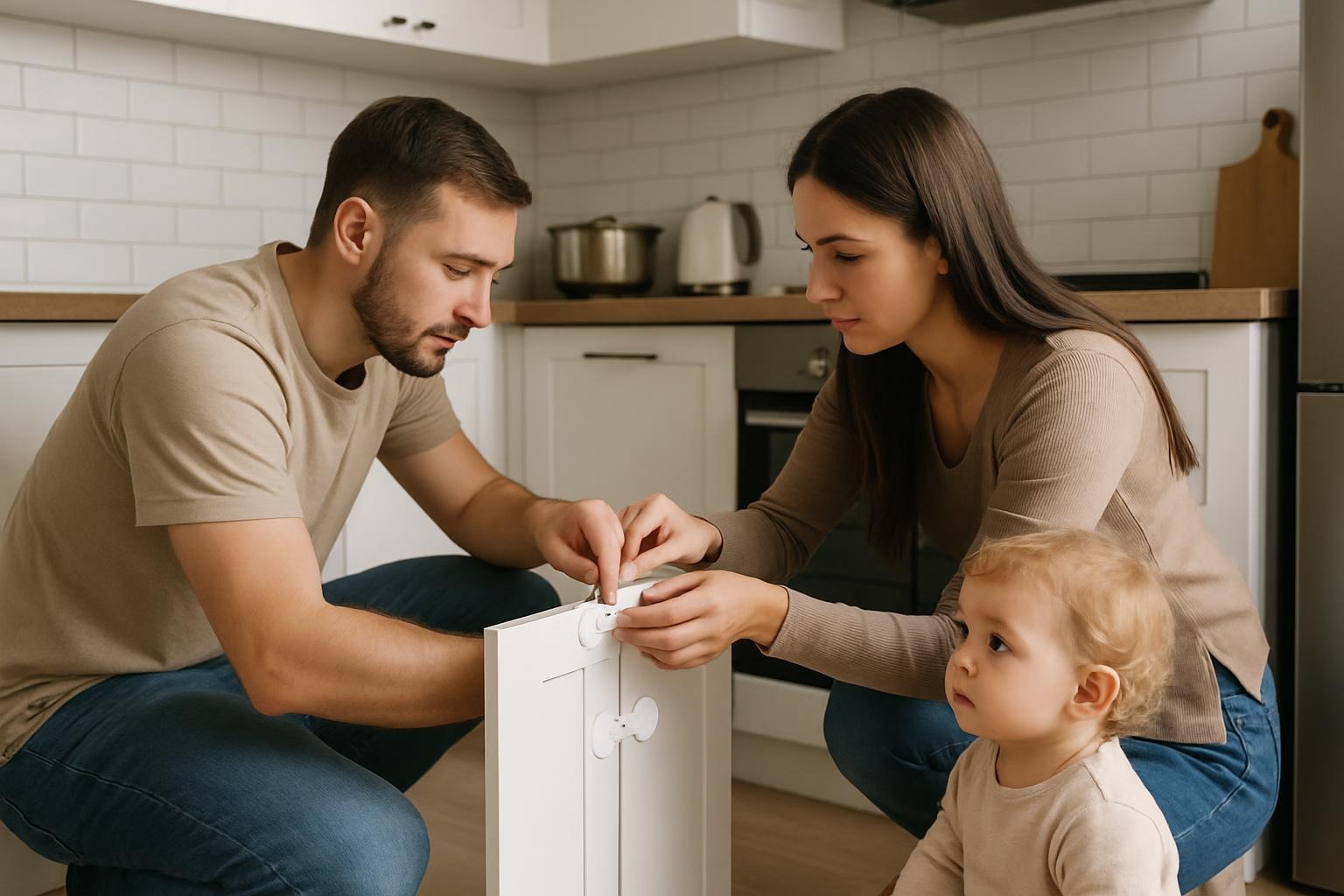
- Secure cabinets and drawers containing dangerous items with safety latches
- Keep blind cords out of reach or choose cordless window coverings
When selecting safety equipment and baby essentials, quality matters. Our comprehensive baby essentials guide helps you choose the most reliable safety products for your home.
Kitchen Safety: Essential Toddler Safety Measures
The kitchen poses significant toddler safety challenges with hot surfaces and toxic substances.
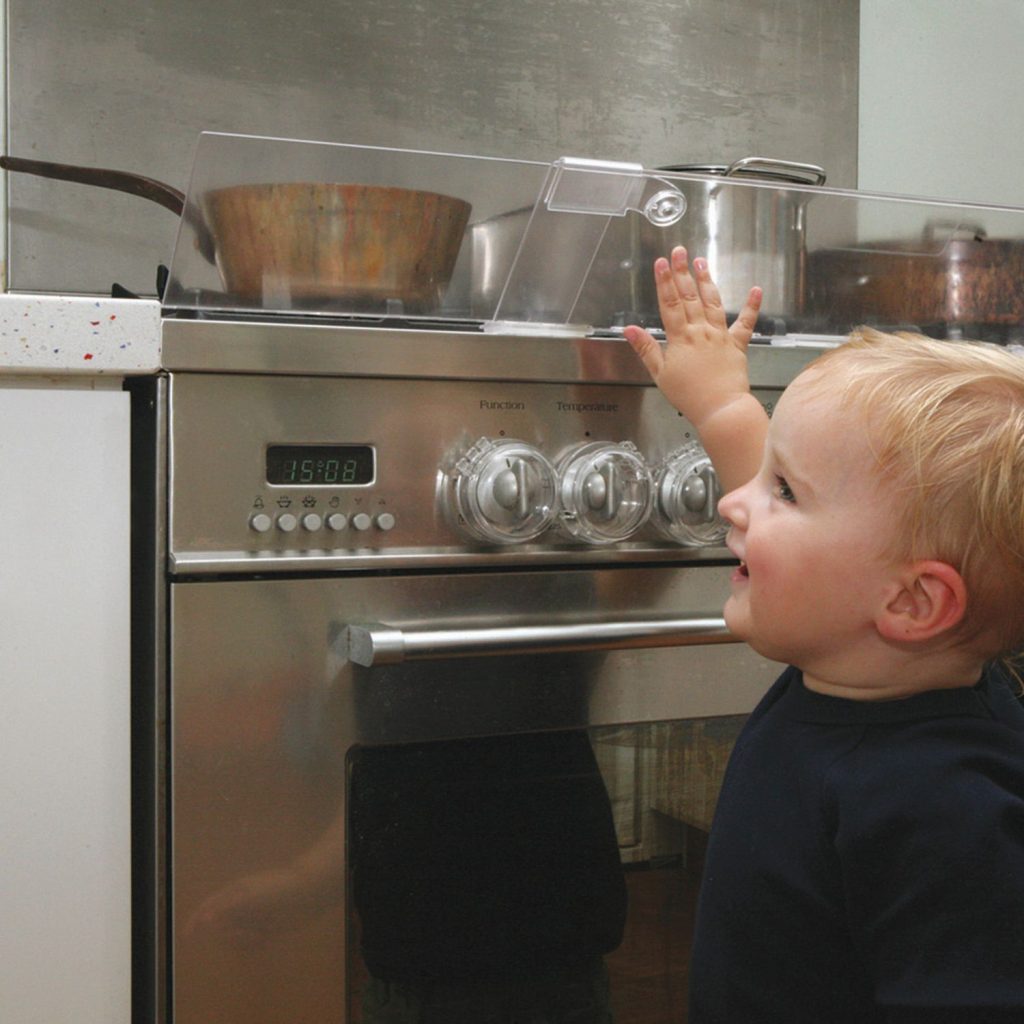
- Use stove knob covers and oven locks to prevent access to cooking surfaces
- Install cabinet locks on areas containing sharp objects, cleaning supplies, or breakable items
- Keep knives and other sharp utensils in locked drawers or high cabinets
- Use refrigerator locks to prevent access to potentially harmful foods or choking hazards
- Ensure all small appliances are unplugged and stored safely when not in use
Bathroom Safety: Bathroom Toddler Safety Tips and Precautions
Bathroom toddler safety requires special attention due to drowning risks.
- Install toilet locks to prevent drowning hazards and keep toddlers out of toilet water
- Use non-slip mats in bathtubs and showers
- Keep medications, razors, and cleaning supplies in locked cabinets
- Set water heater to 98°F (36°C) or below to prevent scalding
- Install faucet covers to prevent injuries from hard surfaces
Bedrooms: Baby Proofing
- Ensure cribs meet current safety standards with proper mattress height adjustment
- Keep small objects that could pose choking hazards out of reach
- Secure dressers and changing tables to walls
- Use window guards or stops to prevent falls
2. Advanced Supervision Strategies Child safety at home
Effective toddler safety supervision goes beyond simply being present it requires active engagement and strategic positioning:
Active Supervision Techniques:
- Position yourself where you can see and quickly reach your toddler
- Scan the environment regularly for new hazards
- Anticipate your child’s next move based on their interests and abilities
- Avoid distractions like phones, especially during high-risk activities
High-Risk Situations Requiring Extra Vigilance:
- Water activities: Drowning can occur in less than 2 inches of water and happens quickly and silently
- Kitchen activities: Hot surfaces, sharp objects, and potential choking hazards require constant attention
- Outdoor play: Uneven surfaces, playground equipment, and traffic pose significant risks
- Social gatherings: Increased distractions and unfamiliar environments elevate risk levels
Transportation Safety: Protecting Your Child on the Road: Child Safety Checklist
Transportation toddler safety, especially car seat safety, is critical for child protection.
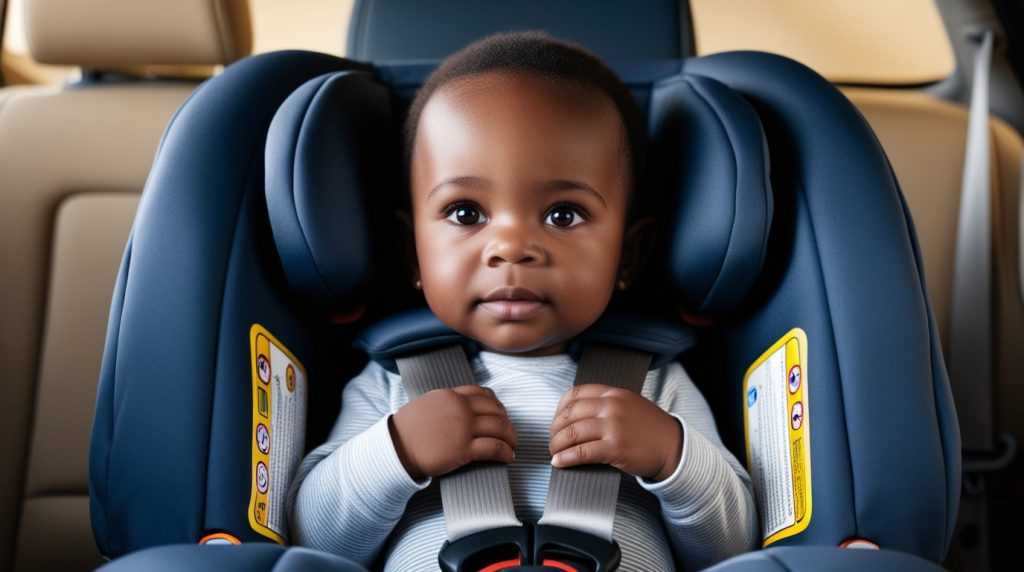
Car Seat Safety Excellence
Proper car seat use can reduce the risk of death by up to 71% for infants and 54% for toddlers ages 1-4:
Choosing the Right Car Seat:
- Rear-facing seats until at least age 2 or until reaching maximum height/weight limits
- Forward-facing seats with harnesses for children who have outgrown rear-facing seats
- Ensure car seat meets federal safety standards and hasn’t been recalled
Installation Best Practices:
- Have installation checked by a certified technician
- Car seat should not move more than one inch when tested at the belt path
- Harness straps should be at or below shoulder level for rear-facing seats
- Chest clip should be positioned at armpit level
Never Leave Children Unattended: Vehicle temperatures can rise 20 degrees in just 10 minutes, creating deadly conditions even on mild days.
Choking Prevention: Protecting Airways and Baby Proofing
Choking is a leading cause of injury and death in toddlers. Understanding prevention strategies is crucial:
Food Safety Guidelines:

- Cut round foods like grapes, cherry tomatoes, and hot dogs lengthwise
- Avoid hard candies, nuts, and popcorn for children under 4
- Supervise all eating and ensure children are seated while eating
- Cut food into pieces no larger than 1/2 inch
- Avoid foods that are hard, sticky, or can form a plug in the throat
Toy and Object Safety:
- Follow age recommendations on toy packaging
- Test small objects with a toilet paper tube if it fits through, it’s a choking hazard
- Regularly inspect toys for broken parts or small pieces
- Keep older children’s toys separate from toddler play areas
Sleep Safety: Creating a Secure Rest Environment
Safe sleep practices continue to be important beyond infancy:
Understanding safe sleep practices is crucial for preventing sleep-related accidents. Read our detailed guide on baby sleep disorders symptoms to recognize warning signs and ensure healthy sleep development.
Crib Safety Standards:
- Slats should be no more than 2⅜ inches apart
- Mattress should fit snugly with no gaps
- Keep cribs away from windows, blinds, and hanging decorations
- Lower mattress as child grows and becomes more mobile
Transitioning to a Toddler Bed:
- Wait until child is at least 35 inches tall or shows signs of climbing out
- Use bed rails if necessary, ensuring they meet safety standards
- Childproof the bedroom thoroughly since toddlers can now leave their beds freely
Teaching Safety: Age Appropriate Strategies
While toddlers can’t fully understand complex safety concepts, they can learn simple rules:
Safety education is just one component of comprehensive childcare. Discover evidence-based childcare basics that support your toddler’s development while maintaining a secure environment.
Effective Teaching Methods:
- Use simple, concrete language: “Hot! Don’t touch!”
- Repeat safety messages consistently
- Practice safety behaviors during calm moments
- Use positive reinforcement when children follow safety rules
- Model safe behavior yourself
Key Safety Concepts for Toddlers:
- Stop when asked
- Hold hands near streets or in crowded areas
- Don’t put objects in mouth unless given by adults
- Stay away from hot things
- Call for help if scared or hurt
Emergency Preparedness: Being Ready for the Unexpected
Essential Emergency Skills:
- Learn infant and child CPR and first aid
- Keep emergency numbers easily accessible
- Know how to contact poison control (1-800-222-1222 in the USA)
- Have a well-stocked first aid kit appropriate for children
- Practice emergency scenarios with older family members
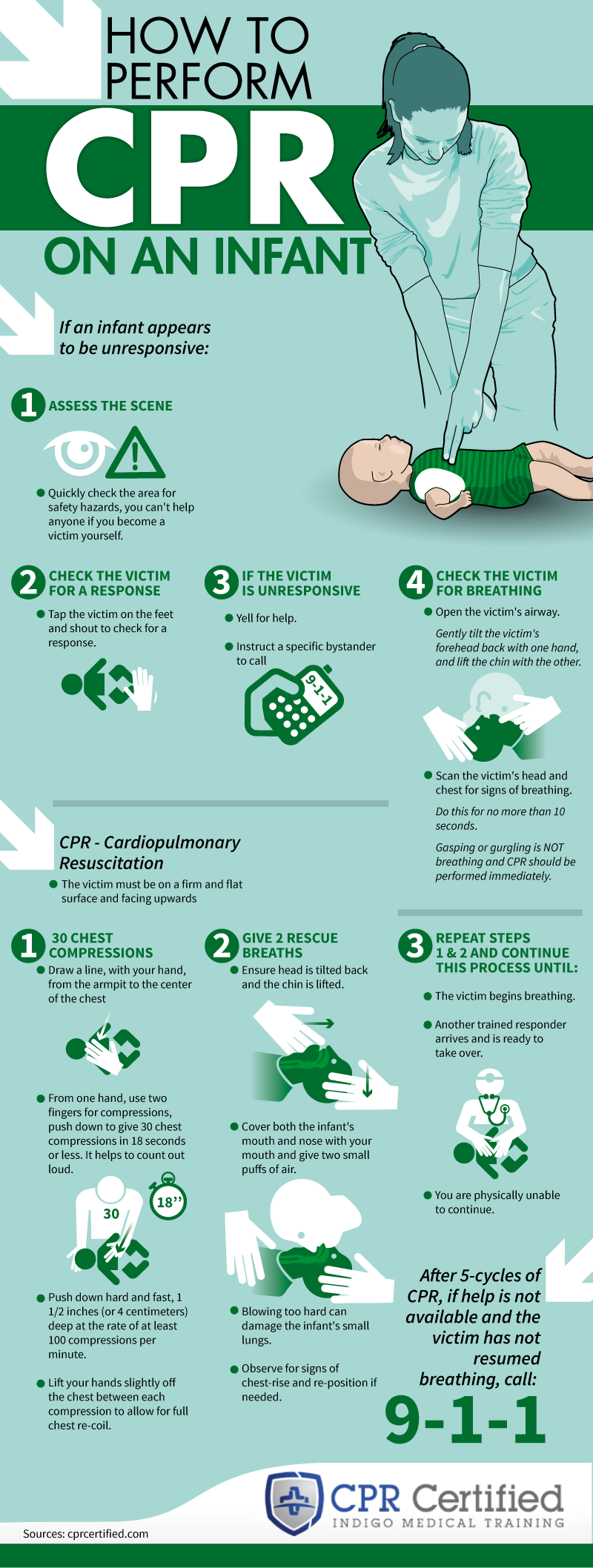
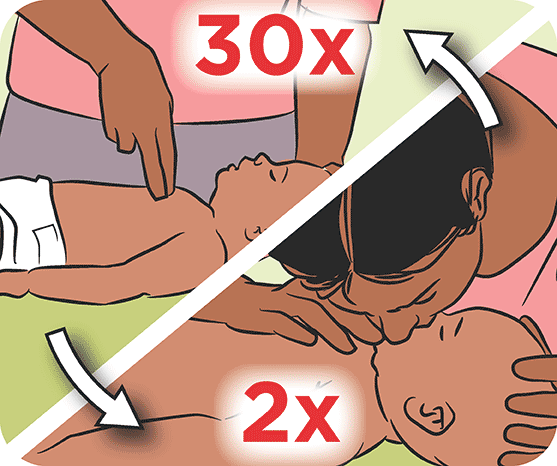
Images credits: www.cprcertified.com And https://raisingchildren.net.au/newborns/safety/cpr/cpr-for-babies
Creating Emergency Plans:
- Develop fire escape routes that account for carrying toddlers
- Plan for natural disasters common to your area
- Ensure all caregivers know emergency procedures
- Keep emergency supplies at appropriate heights
Common Safety Mistakes to Avoid
Overconfidence in Safety Measures: Remember that safety devices are tools, not substitutes for supervision.
Inconsistent Rule Enforcement: Safety rules must be enforced consistently by all caregivers.
Underestimating Developmental Changes: A toddler’s abilities can change rapidly; safety measures must evolve accordingly.
Neglecting Regular Safety Updates: Regularly reassess your home for new hazards as your child grows.
Building Safety Into Daily Routines
Morning Routines:
- Check that safety gates are properly closed
- Ensure windows and doors are secure
- Remove any hazards that may have appeared overnight
Meal Times:
- Always supervise eating
- Check food temperature and size
- Ensure child is properly positioned in high chair
Play Time:
- Inspect toys before use
- Supervise all play activities
- Rotate toys to maintain interest while ensuring safety
Bedtime Routines:
- Secure bedroom environment
- Check that monitoring devices are working
- Ensure emergency supplies are accessible
Special Considerations for Different Environments
Grandparents’ Homes:
- Provide safety checklists for relatives
- Help childproof frequently visited homes
- Communicate specific safety rules and requirements
Daycare and Preschool:
- Research safety policies and procedures
- Ensure staff are trained in CPR and first aid
- Verify that facilities meet safety standards
Public Spaces:
- Always maintain close supervision
- Identify potential hazards before allowing exploration
- Have a plan for getting separated
Technology and Safety: Smart Tools for Modern Parents
Modern technology offers valuable tools to enhance toddler safety when used appropriately alongside traditional supervision methods.
Baby Monitors and Cameras: Video monitors allow you to check on sleeping toddlers without disturbing them. Choose models with secure connections to prevent hacking, and position cameras to view the entire sleep area without creating blind spots.
Smart Home Safety Devices: Smart smoke detectors, carbon monoxide alarms, and water leak sensors provide early warnings and can send alerts to your phone. However, ensure you still have traditional battery-operated backup devices in case of power outages or technical failures.
Safety Apps: Various apps can help track medication schedules, store emergency contacts, and provide quick access to poison control information. Some apps also offer age-appropriate safety checklists to ensure you haven’t overlooked important childproofing measures.
GPS Tracking Devices: For highly mobile toddlers, wearable GPS devices designed for young children can provide peace of mind during outings to crowded places. However, these should supplement, not replace, active supervision and physical safety measures like holding hands near traffic.
Conclusion: Balancing Toddler Safety with Development
Making a Toddler safety baby proofring environment for toddler safety involves vigilance on a constant basis, but its purpose is not to suppress their innate curiosity and exploratory nature. Its aim is actually to prevent risk and unlock safe possibilities for discovery and learning. Through establishing thorough safety considerations, remaining aware of changes related to development, and having proper supervision in place, you provide a context for your toddler’s growth and development.
Note that complete child safety at home is impossible, but prevention is educationally prepared and continuing awareness can prevent most serious injuries. Trust your parenting judgment if you don’t feel an activity is safe, chances are that’s correct. Your toddler is dependent upon you to provide boundaries he’s not yet able to provide for himself.
By creating a secure and supportive environment, you give your toddler the freedom to explore with confidence and you gain the peace of mind that comes from knowing you’ve done everything possible to keep them safe. This investment in safety during the toddler years builds the foundation for a lifetime of healthy risk assessment and confident exploration.
Read more: Toddler Safety: Essential Tips to Keep Your Child Safe and SecureToddler Activities: Boosting Development Through Play
NOTE: The information in this post is based on guidelines and research from leading health institutions including the American Academy of Pediatrics, CDC, and other recognized medical authorities.”
- American Academy of Pediatrics (AAP) – pediatric guidelines and recommendations.
- Centers for Disease Control and Prevention (CDC) – health statistics and safety data.
- Safe Kids Worldwide
- Consumer Product Safety Commission (CPSC)
Looking for comprehensive guidance on caring for your baby? Our book ‘How to Care for Children: From Birth to Age 2’ combines professional nanny experience with evidence based child development research. Written by Kelly and Peter, this guide provides clear, reliable advice rooted in real world childcare. Available in English, Spanish, and Portuguese on Amazon.
Click the link below your preferred language to get your copy!




1. At what age should I start childproofing, and how do I know what safety measures are needed?
Start childproofing before your child becomes mobile (around 6-9 months) and continuously update as they develop new abilities. Toddlers aged 1-3 lack the cognitive ability to understand danger or assess risk, making prevention crucial. Focus on the most common injury causes: falls (50% of toddler injuries), poisoning, drowning, and burns. Take a room-by-room approach, securing stairways with safety gates, covering electrical outlets, anchoring heavy furniture to walls, and installing cabinet locks on areas containing dangerous items. Remember that a toddler’s abilities can change rapidly, so reassess your safety measures regularly.
2. What are the most important car seat safety rules for toddlers?
Keep toddlers in rear-facing car seats until at least age 2 or until they reach the maximum height/weight limits for their seat, this can reduce death risk by up to 71%. When transitioning to forward-facing seats, ensure harness straps are at or below shoulder level and the chest clip is positioned at armpit level. Have your car seat installation checked by a certified technician, and ensure the seat doesn’t move more than one inch when tested at the belt path. Never leave children unattended in vehicles, temperatures can rise 20 degrees in just 10 minutes, creating deadly conditions.
3. How can I prevent choking hazards while still allowing my toddler to explore and eat independently?
Cut round foods like grapes, cherry tomatoes, and hot dogs lengthwise, and avoid hard candies, nuts, and popcorn for children under 4. Cut all food into pieces no larger than 1/2 inch and always supervise eating while ensuring children are seated. For toys and objects, use the toilet paper tube test, if an item fits through a toilet paper tube, it’s a choking hazard. Follow age recommendations on toy packaging and regularly inspect toys for broken parts. Keep older children’s small toys separate from toddler play areas.
Balance independence with safety by creating designated ‘yes spaces’ where toddlers can explore freely without constant intervention, while maintaining strict boundaries in high-risk areas. Offer safe alternatives when redirecting from dangerous activities, for example, if they want to climb on furniture, redirect to a safe climbing toy. This approach teaches decision-making within safe parameters while respecting their developmental need for autonomy and exploration
4. What does “active supervision” mean, and how is it different from just watching my toddler?
Active supervision means being engaged and strategically positioned where you can see and quickly reach your toddler, not just being in the same room. Scan the environment regularly for new hazards, anticipate your child’s next move based on their interests and abilities, and avoid distractions like phones during high-risk activities. This is especially crucial during water activities (drowning can occur in less than 2 inches of water), kitchen time, outdoor play, and social gatherings where increased distractions elevate risk levels.
5. How can I teach safety concepts to my toddler when they don’t understand complex rules?
Use simple, concrete language like “Hot! Don’t touch!” and repeat safety messages consistently. Practice safety behaviors during calm moments using positive reinforcement when children follow rules, and always model safe behavior yourself. Key concepts toddlers can learn include: stopping when asked, holding hands near streets or in crowded areas, not putting objects in their mouth unless given by adults, staying away from hot things, and calling for help when scared or hurt. Remember that while toddlers can’t fully understand complex safety concepts, they can learn simple, repeated rules through consistent practice and positive reinforcement.
6. What essential safety equipment should every parent have for toddler proofing their home?
Every family needs a core set of safety equipment to properly childproof their home. Start with safety gates (both pressure-mounted for doorways and hardware-mounted for stairs), outlet covers or sliding outlet protectors, cabinet and drawer locks for areas containing dangerous items, corner guards for sharp furniture edges, and furniture anchoring straps to prevent tip-overs.
Install stove knob covers, oven locks, and toilet locks in appropriate rooms. For the bathroom, use non-slip mats and faucet covers. Window guards or stops prevent falls from windows. Keep a well-stocked first aid kit specifically designed for children, and ensure all caregivers know CPR and basic first aid. Invest in a reliable baby monitor for sleep supervision.
Don’t forget proper car seats that meet current safety standards. While the initial investment may seem substantial, these safety products significantly reduce injury risk and provide invaluable peace of mind. Prioritize items based on your home’s specific layout and your toddler’s developmental stage, adding equipment as new abilities emerge.