

Every parent’s worst nightmare involves missing critical baby health warning signs that could prevent serious complications or save their child’s life. While pediatricians reassure us that most infant symptoms resolve harmlessly, certain infant emergency symptoms demand immediate medical evaluation, yet parents frequently dismiss them as minor concerns.
As a professional nanny with over 10 years of experience caring for infants and co-author of “How to Care for Children: From Birth to Age 2,” I’ve witnessed parents struggle to distinguish between normal baby behavior and dangerous baby health signs requiring urgent intervention. The challenge lies in babies’ inability to verbalize discomfort, forcing caregivers to recognize subtle physical changes indicating serious conditions.
This comprehensive emergency guide examines nine critical infant health conditions that parents commonly overlook or misinterpret until situations escalate. Understanding when to call pediatrician immediately versus when to monitor at home literally saves lives and prevents permanent developmental damage.

These aren’t ordinary parenting concerns about fussy eating or sleep disruptions. These are legitimate medical emergencies involving conditions like meningitis, sepsis, severe dehydration, dangerous allergic reactions, and life threatening breathing problems. Each section provides specific symptom descriptions, timeline expectations, and clear action steps.
The information presented draws from current pediatric emergency medicine guidelines, American Academy of Pediatrics protocols, and my decade of hands-on infant care experience. I’ve personally navigated several of these emergencies with families under my care, understanding firsthand how quickly infant conditions can deteriorate and how crucial rapid recognition becomes.
Whether you’re a first-time parent, experienced caregiver, or childcare professional, memorizing these nine baby health warning signs equips you to respond appropriately when seconds matter. Your knowledge and quick action could prevent tragedy, permanent injury, or serious complications.
Let’s examine the critical symptoms every parent must recognize immediately.
Understanding Normal vs. Emergency Infant Symptoms
Before identifying dangerous baby health signs, parents need foundational knowledge distinguishing typical infant behavior from medical emergencies.
Babies naturally exhibit behaviors that seem alarming to new parents but represent normal development. Occasional spit up after feeding, fussiness during evening hours, brief color changes during crying, and irregular breathing patterns during sleep all fall within normal ranges for healthy infants.
However, infant emergency symptoms differ fundamentally in intensity, duration, pattern, and associated warning signs. True emergencies involve sudden onset, rapid progression, unusual severity, or combinations of concerning symptoms appearing together.
Red flags transforming ordinary symptoms into emergencies include:

Symptoms appearing suddenly rather than gradually developing, rapid worsening within minutes or hours, unusual lethargy or unresponsiveness, difficulty breathing or irregular respiratory patterns, high fever in babies under 3 months, persistent inconsolable crying lasting hours, or multiple concerning symptoms occurring simultaneously.
The following nine conditions represent the most critical infant health conditions parents frequently miss or delay addressing. Each section details specific baby health warning signs, explains why immediate action matters, and provides clear guidance about when to call pediatrician immediately versus seeking emergency room care.
Trust your parental instincts throughout this process. If something feels fundamentally wrong with your baby beyond typical challenges, seek medical evaluation even if symptoms don’t perfectly match descriptions here. You know your baby best, and healthcare providers would rather evaluate false alarms than miss true emergencies.
1. Meningitis: The Silent Killer Parents Miss
Meningitis represents one of the most dangerous baby health signs parents overlook because early symptoms mimic common viral illnesses. This inflammation of membranes surrounding the brain and spinal cord can kill infants within hours if untreated, yet initial presentation often appears like ordinary cold or flu.
Bacterial meningitis particularly threatens babies under 2 months, though viral and bacterial forms affect all age groups. The challenge lies in recognizing when typical illness symptoms actually indicate life threatening infection requiring emergency intervention.
Critical infant emergency symptoms of meningitis:
High fever combined with extreme lethargy or irritability, unusual high-pitched or weak crying that sounds different from normal cries, bulging or tense soft spot (fontanelle) on baby’s head, severe headache indicated by constant head holding or arching, stiff neck or difficulty moving neck normally, seizures or unusual jerking movements, refusing all feeds with extreme listlessness, rapid breathing or grunting, purple or red rash that doesn’t fade when pressed with glass, and cold hands and feet despite fever.
Babies under 3 months with fever over 100.4°F (38°C) require immediate medical evaluation regardless of other symptoms, as young infants cannot effectively fight infections. Never wait to see if fever reduces with medication before seeking help in this age group.
Meningitis progresses rapidly. Babies can deteriorate from seemingly mild illness to critical condition within 6 to 12 hours. When to call pediatrician immediately applies here, but frankly, suspected meningitis warrants emergency room evaluation without delay.
Treatment involves immediate intravenous antibiotics, supportive care, and close monitoring. Early intervention prevents death, brain damage, hearing loss, and developmental delays. Delayed treatment allows infection to cause permanent neurological injury or death.
If you observe fever combined with extreme lethargy, bulging fontanelle, stiff neck, or unusual rash, go directly to the emergency room. Call 911 if your baby becomes unresponsive, stops breathing, or has seizures.
Read more: 9 Dangerous Baby Health Warning Signs Parents Always Miss (Emergency Guide)2. Severe Dehydration Leading to Shock
Dehydration escalates quickly in infants, transforming from mild concern to life threatening emergency within hours. Babies lose fluids rapidly through vomiting, diarrhea, fever, or inadequate intake, and their small body sizes make them vulnerable to dangerous electrolyte imbalances.
Parents frequently underestimate dehydration severity, assuming babies will recover with continued feeding attempts. However, critical infant health conditions involving severe dehydration require immediate medical intervention to prevent shock, kidney failure, and death.
Baby health warning signs of dangerous dehydration:
No wet diapers for 8 to 12 hours or significantly decreased urine output, very dark yellow or brown urine indicating concentration, sunken soft spot on head, sunken eyes with dark circles, no tears when crying, extremely dry mouth and lips, skin that doesn’t bounce back when pinched (tenting), extreme lethargy or difficulty waking, rapid breathing or rapid heart rate, cold or mottled hands and feet, and refusal of all fluids.
Mild dehydration causes fussiness and slightly decreased wet diapers. Moderate dehydration produces notable lethargy and obvious physical signs. Severe dehydration creates medical emergency with shock symptoms including extreme weakness, unresponsiveness, and cardiovascular instability.
Infants under 6 months face particular vulnerability because they cannot communicate thirst and depend entirely on caregivers for fluid intake. When to call pediatrician immediately applies when you notice several dehydration symptoms together or when babies refuse all feeds for extended periods.
Emergency treatment involves intravenous fluid replacement, electrolyte correction, and addressing underlying causes like gastroenteritis or infection. Hospitalization typically lasts 24 to 48 hours until hydration stabilizes.
Prevention includes recognizing early dehydration signs and offering frequent small amounts of breast milk, formula, or pediatric electrolyte solutions during illness. Never give plain water to babies under 6 months, as this worsens electrolyte imbalances.
Read more: 9 Dangerous Baby Health Warning Signs Parents Always Miss (Emergency Guide)Complete Infant Nutrition Guide: Nurturing Your Baby’s First Year
3. Respiratory Distress and Breathing Emergencies
Breathing problems represent infant emergency symptoms requiring immediate recognition and response. While babies naturally breathe faster than adults and occasionally have irregular patterns, true respiratory distress indicates dangerous conditions like pneumonia, bronchiolitis, asthma, or airway obstruction.
Parents often delay seeking help for breathing concerns, hoping symptoms will improve spontaneously. However, babies compensate for breathing difficulties until suddenly decompensating into respiratory failure. Recognizing early warning signs prevents crisis situations.
Dangerous baby health signs of respiratory distress:
Breathing faster than 60 breaths per minute consistently, grunting sounds with each breath, flaring nostrils with breathing efforts, skin pulling in between ribs or above collarbone (retractions), blue or gray lips, tongue, or face, extreme difficulty feeding due to breathlessness, head bobbing with breathing, using stomach muscles excessively for breathing, wheezing or whistling sounds, and sudden changes in consciousness or responsiveness.
Babies with colds commonly have some nasal congestion and slightly faster breathing. True respiratory distress involves multiple concerning symptoms appearing together, progressive worsening, or babies working extremely hard to breathe.
Respiratory syncytial virus (RSV), pneumonia, and bronchiolitis cause most infant breathing emergencies, particularly during winter months. Babies born prematurely, those under 6 months, or infants with heart or lung conditions face highest risk for severe complications.
When to call pediatrician immediately applies when breathing appears labored or rapid, but emergency room evaluation becomes necessary when babies show retractions, color changes, extreme lethargy, or feeding refusal due to breathlessness.
Treatment varies based on underlying cause but may include supplemental oxygen, breathing treatments, intravenous fluids, or hospitalization for monitoring. Never delay seeking help for significant breathing changes, as respiratory failure develops rapidly in infants.
Read more: 9 Dangerous Baby Health Warning Signs Parents Always Miss (Emergency Guide)American Academy of Pediatrics breathing emergency information
4. Sepsis: When Infection Becomes Life Threatening
Sepsis occurs when the body’s response to infection causes widespread inflammation damaging organs and tissues. This critical infant health condition kills quickly, yet early symptoms appear vague and nonspecific, causing parents to delay seeking medical attention.
Newborns and young infants face particular sepsis vulnerability due to immature immune systems. Any infection, from urinary tract infections to pneumonia to skin infections, can trigger septic responses requiring emergency intervention.
Baby health warning signs of possible sepsis:
Fever over 100.4°F in babies under 3 months or temperature under 96.8°F, extreme lethargy or difficulty waking, refusing all feeds with listlessness, breathing very fast or working hard to breathe, heart racing even when resting, mottled or discolored skin, extremely cold hands and feet, not producing normal wet diapers, and unusual irritability or high-pitched crying.
Sepsis represents medical emergency requiring immediate hospital admission, intravenous antibiotics, fluid resuscitation, and intensive monitoring. Delay allows infection to cause organ failure, shock, and death within hours.
The confusing aspect of infant emergency symptoms related to sepsis involves their nonspecific nature. Babies simply appear “not right” without obvious focal symptoms like cough or diarrhea initially. Parents must trust instincts when babies seem fundamentally different from baseline behavior.
Healthcare providers take sepsis concerns seriously in young infants. Babies under 28 days with fever typically receive full sepsis workups including blood cultures, urine cultures, lumbar punctures, and empiric antibiotics pending test results. This aggressive approach prevents deaths from delayed treatment.
If your baby appears extremely lethargic, refuses feeds entirely, has fever under 3 months, or seems critically ill, seek emergency evaluation immediately. Sepsis mortality drops dramatically with rapid antibiotic administration within the first hour of recognition.
Read more: 9 Dangerous Baby Health Warning Signs Parents Always Miss (Emergency Guide)7 Essential Newborn Baby Care Tips Every First-Time Parent Must Know
5. Severe Allergic Reactions and Anaphylaxis
Food allergies and severe allergic reactions represent dangerous baby health signs parents sometimes dismiss as simple rashes or fussiness. Anaphylaxis, a life threatening allergic reaction, can kill within minutes if untreated, yet parents may not recognize symptoms in infants.
Introduction of solid foods around 6 months increases allergy exposure, with common triggers including eggs, milk, peanuts, tree nuts, soy, wheat, fish, and shellfish. However, babies can also experience severe reactions to medications, insect stings, or environmental allergens.
Critical infant emergency symptoms of severe allergic reaction:
Sudden widespread hives or rash appearing within minutes of exposure, swelling of face, lips, tongue, or throat, difficulty breathing or wheezing, persistent coughing or choking, vomiting or diarrhea shortly after eating, extreme fussiness or agitation, pale or blue skin color, sudden extreme sleepiness or unresponsiveness, and rapid heart rate.
Mild allergic reactions cause localized rash or single symptom. Severe reactions involve multiple body systems simultaneously, rapid progression, or breathing and circulation changes indicating anaphylaxis.
When to call pediatrician immediately applies for single-symptom mild reactions, but suspected anaphylaxis requires emergency services activation. Call 911 if your baby has breathing difficulties, swelling affecting airways, or becomes unresponsive after exposure to potential allergen.
Anaphylaxis treatment involves immediate epinephrine injection (EpiPen), emergency medical transport, and hospital observation. Even if symptoms improve after epinephrine, babies require medical evaluation as reactions can recur hours later (biphasic reactions).
Parents with babies at high allergy risk (family history, eczema, or known food allergies) should discuss emergency action plans with pediatricians, obtain epinephrine auto-injectors, and learn proper administration before emergencies occur.
6. Seizures and Neurological Emergencies
Seizures represent baby health warning signs that terrify parents, yet recognition and appropriate response significantly impact outcomes. While febrile seizures (caused by rapid fever rise) are relatively common and usually harmless, other seizure types indicate serious neurological conditions requiring immediate evaluation.
Infant seizures appear differently from adult seizures. Babies may exhibit subtle symptoms like repetitive lip smacking, eye deviations, brief stiffening, or rhythmic jerking rather than dramatic full-body convulsions parents expect.
Infant emergency symptoms indicating seizures:
Repetitive jerking movements of arms or legs, sudden stiffening of body, eyes rolling back or deviating to one side, rhythmic twitching of face or limbs, brief periods of unresponsiveness or staring, unusual repetitive mouth movements, temporary breathing pauses, and sudden color changes during episodes.
First-time seizures always require emergency evaluation regardless of suspected cause. While febrile seizures typically last under 5 minutes and resolve without treatment, prolonged seizures (over 5 minutes) or seizures without fever indicate potentially serious conditions like meningitis, brain injury, metabolic disorders, or epilepsy.
During seizures, place babies on their sides to prevent choking, remove nearby hazards, and time the episode. Never put anything in babies’ mouths or restrain movements. Call 911 for seizures lasting over 5 minutes, multiple seizures in succession, or first-time seizures.
Post-seizure, babies often appear extremely sleepy or confused for minutes to hours. This postictal period is normal, but babies still require medical evaluation to determine seizure causes and prevent recurrence.
Diagnostic workup typically includes brain imaging, electroencephalogram (EEG), blood tests, and sometimes lumbar puncture to rule out dangerous causes. Treatment depends on underlying conditions but may include anti-seizure medications or addressing infections, metabolic abnormalities, or structural brain problems.
Read more: 9 Dangerous Baby Health Warning Signs Parents Always Miss (Emergency Guide)Epilepsy of Infancy with Migrating Focal Seizures
7. Intestinal Obstruction and Intussusception
Intestinal obstruction, particularly intussusception (when intestine telescopes into itself), represents critical infant health conditions parents frequently miss because symptoms mimic common stomach viruses initially. However, delayed diagnosis leads to bowel death, perforation, sepsis, and potential fatality.
Intussusception most commonly affects babies between 6 and 24 months, often following viral illnesses. The condition requires emergency intervention within 24 hours to prevent permanent bowel damage.
Dangerous baby health signs of intestinal obstruction:
Sudden severe abdominal pain causing intense crying episodes every 15 to 20 minutes, pulling legs up to chest during pain episodes, vomiting, especially green or yellow bile-colored vomit, bloody or “currant jelly” stools with dark red mucus, palpable sausage-shaped mass in abdomen, extreme lethargy between pain episodes, refusing all feeds, and abdominal swelling or distension.
The characteristic pattern involves intermittent severe pain with completely normal appearance between episodes. This cycling pattern distinguishes intussusception from typical stomach upset with constant discomfort.
Parents often initially attribute symptoms to gastroenteritis, delaying medical evaluation. However, when to call pediatrician immediately clearly applies when babies have bile-colored vomiting, bloody stools, or severe intermittent abdominal pain with abnormal lethargy.
Diagnosis requires abdominal ultrasound or X-rays. Treatment typically involves air or barium enema reducing the intussusception non-surgically if caught early. Delayed cases require surgical intervention to remove damaged bowel sections.
Any baby with sudden severe abdominal pain, especially combined with vomiting and lethargy, requires same-day medical evaluation. Currant jelly stools warrant immediate emergency room assessment without delay.
8. Dangerous Fever Patterns in Young Infants
While fever itself isn’t always dangerous, certain fever patterns represent infant emergency symptoms requiring immediate intervention. Babies under 3 months with any fever need emergency evaluation due to serious infection risks their immature immune systems cannot effectively fight.
Parents commonly attempt fever reduction with medication before seeking medical care, but this approach dangerously delays diagnosis and treatment of life threatening infections in young babies.
Baby health warning signs related to fever:
Any temperature over 100.4°F (38°C) in babies under 3 months, fever over 104°F at any age, fever lasting more than 24 hours in babies under 6 months, fever accompanied by extreme lethargy or unresponsiveness, fever with stiff neck or bulging fontanelle, fever with purple or red rash, fever with severe breathing difficulties, and fever after being in hot car or environment.

Fever in babies under 3 months indicates potential serious bacterial infections including meningitis, sepsis, urinary tract infections, or pneumonia. These infections require immediate intravenous antibiotics and hospitalization, making rapid evaluation crucial.
Healthcare providers perform complete sepsis evaluations on young febrile infants, including blood work, urine cultures, chest X-rays, and often lumbar punctures. While these procedures seem excessive, they prevent deaths from undetected serious infections.
When to call pediatrician immediately applies to all fevers in babies under 3 months, regardless of time or day. Most pediatric practices have after-hours nurse lines or on-call physicians for such emergencies.
Never give fever-reducing medications to babies under 3 months before medical evaluation, as this masks symptoms and delays diagnosis. Focus instead on keeping babies comfortable while seeking immediate medical attention.
9. Head Injuries and Altered Consciousness
Head injuries in babies require careful evaluation because skull fractures and brain bleeding occur more easily in infants than older children or adults. While most minor bumps resolve harmlessly, certain symptoms indicate dangerous complications requiring emergency intervention.
Babies naturally have frequent falls as they learn new motor skills. Parents must distinguish between minor bumps requiring observation from serious injuries demanding immediate medical evaluation.
Critical infant emergency symptoms after head injury:
Loss of consciousness even briefly, persistent vomiting (more than twice), clear or bloody fluid draining from nose or ears, severe headache indicated by inconsolable crying, bulging soft spot, unusual sleepiness or difficulty waking, seizures, unequal pupil sizes, vision changes or crossing eyes, loss of balance or coordination, and personality or behavior changes.
Immediate symptoms matter most. Babies who cry immediately after injury, then quickly return to normal behavior with normal feeding, sleeping, and playing typically have minor injuries. However, any loss of consciousness, persistent vomiting, or neurological symptoms warrant emergency evaluation.
Falls from heights greater than the baby’s height, falls onto hard surfaces, or impacts from heavy objects carry higher risk for serious injury. When in doubt, seek medical assessment to rule out skull fractures or brain bleeding.
Emergency departments use clinical decision rules and sometimes CT scans to evaluate head injuries. While radiation exposure concerns exist, missing serious brain bleeding poses far greater risks than imaging when medically indicated.
Prevention strategies include never leaving babies unattended on elevated surfaces like changing tables, using safety gates at stairs, ensuring proper car seat installation, and maintaining safe play environments.
If your baby loses consciousness, has severe symptoms, or demonstrates abnormal behavior after head injury, seek emergency evaluation immediately. For minor bumps, observe closely for 24 to 48 hours and report any developing concerning symptoms to your pediatrician.
When to Call Pediatrician Immediately vs. Emergency Room
Distinguishing when to call pediatrician immediately versus proceeding directly to emergency rooms challenges parents during stressful situations. Understanding appropriate action steps for different baby health warning signs ensures babies receive timely, appropriate care.
Call pediatrician immediately (within hours) for:
First-time fever in babies under 3 months, persistent vomiting lasting over 6 to 8 hours, diarrhea with dehydration signs, unusual rash appearing suddenly, concerning but stable symptoms like persistent crying with no obvious cause, and questions about whether symptoms warrant emergency evaluation.
Go directly to emergency room for:
Difficulty breathing or blue color, suspected anaphylaxis with multiple symptoms, seizures lasting over 5 minutes or first-time seizures, severe head injuries with loss of consciousness, suspected meningitis with fever plus stiff neck or rash, uncontrolled bleeding, and babies becoming unresponsive or extremely lethargic.
Call 911 immediately for:
Baby stops breathing or turns blue/gray, choking with inability to cry or cough, loss of consciousness, severe allergic reaction with throat swelling, seizures not stopping after 5 minutes, and any situation where baby appears to be dying or in immediate danger.
After-hours pediatric nurse lines provide valuable guidance about symptom severity and appropriate care locations. Don’t hesitate to use these resources when uncertain about urgency.
Most pediatricians prefer evaluating unnecessary concerns over missing serious conditions. Healthcare providers would rather parents err on the side of caution with infant emergency symptoms than delay life-saving interventions.
Building Your Emergency Action Plan
Every parent needs emergency action plans before crises occur. Advance preparation reduces panic, ensures rapid responses, and potentially saves lives when recognizing dangerous baby health signs.
Essential emergency plan components:
Pediatrician contact information including after-hours numbers programmed into all phones, nearest emergency room address and directions, poison control center number (1-800-222-1222), list of baby’s medications and allergies, health insurance information readily accessible, and designated emergency contacts to care for other children if needed.
Create written emergency protocols for babysitters, grandparents, and other caregivers. Include symptoms requiring immediate medical attention, your pediatrician’s contact information, and authorization for emergency treatment if parents are unreachable.
Consider taking infant CPR and first aid classes through organizations like the American Red Cross or American Heart Association. These skills prove invaluable during choking emergencies, cardiac events, or breathing problems while awaiting emergency services.
Keep emergency supplies including thermometer, infant acetaminophen or ibuprofen (with dosing instructions), saline nose drops, bulb syringe, and basic first aid items. However, never delay seeking medical care to administer home treatments for serious symptoms.
Discuss specific concerns with your pediatrician during well-child visits. If your baby has chronic conditions, allergies, or special needs, develop customized emergency plans addressing likely scenarios requiring urgent intervention.
Read more: 9 Dangerous Baby Health Warning Signs Parents Always Miss (Emergency Guide)8 Critical Baby Sleep Problems Parents Always Miss (And What to DoConclusion
Recognizing baby health warning signs separating normal infant behavior from life threatening emergencies literally saves lives and prevents permanent injury. While most baby symptoms resolve harmlessly, the nine critical infant health conditions covered here require immediate medical evaluation and intervention.
Never feel embarrassed about seeking medical assessment for concerning symptoms. Healthcare providers vastly prefer evaluating false alarms than missing true emergencies where delayed treatment causes preventable deaths or disabilities. Your parental instincts matter tremendously. When something feels fundamentally wrong beyond typical infant challenges, trust those instincts and seek help.
Understanding when to call pediatrician immediately, when to proceed directly to emergency rooms, and when to activate emergency services through 911 ensures your baby receives appropriate, timely care during crises. Keep emergency contact information readily accessible, maintain updated emergency action plans, and educate all caregivers about critical warning signs.
These infant emergency symptoms represent serious medical conditions, but early recognition combined with rapid intervention provides excellent outcomes in most cases. Your knowledge, vigilance, and quick action during emergencies could save your baby’s life or prevent permanent complications.
Bookmark this guide, share it with partners and caregivers, and review it periodically to maintain awareness of these crucial warning signs. Every parent deserves resources empowering them to protect their baby’s health and safety effectively. You’re doing an amazing job advocating for your child.
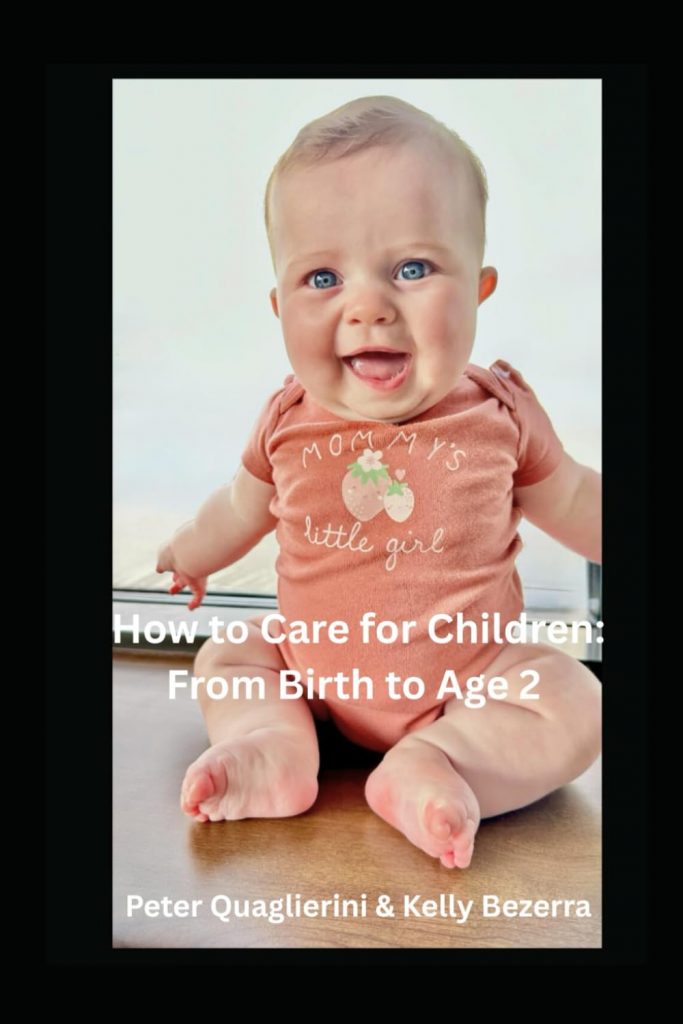
Looking for comprehensive guidance on caring for your baby? Our book ‘How to Care for Children: From Birth to Age 2’ combines professional nanny experience with evidence based child development research. Written by Kelly and Peter, this guide provides clear, reliable advice rooted in real world childcare. Available in English, Spanish, and Portuguese on Amazon.
Click the link below your preferred language to get your copy!



1. How can I tell if my baby’s symptoms are a true emergency or just normal infant behavior?
True medical emergencies involve sudden onset symptoms, rapid worsening within hours, unusual severity beyond typical infant fussiness, or multiple concerning symptoms appearing together. Normal infant behavior includes occasional spit up, evening fussiness, brief color changes during crying, and irregular breathing during sleep that self-corrects.
Dangerous baby health signs include persistent high fever in babies under 3 months, difficulty breathing with blue lips, extreme lethargy where baby cannot be roused, inconsolable crying lasting hours, refusal of all feeds with listlessness, bulging soft spot, or seizures. When multiple warning signs appear simultaneously or symptoms rapidly escalate despite home comfort measures, seek immediate medical evaluation. Trust your parental instincts. If something feels fundamentally wrong beyond typical challenges, contact your pediatrician or go to the emergency room without delay.
2. When should I call my pediatrician versus going directly to the emergency room?
Call your pediatrician immediately for first-time fever in babies under 3 months, persistent vomiting lasting 6 to 8 hours, diarrhea with mild dehydration signs, unusual rash appearing suddenly, or questions about whether symptoms warrant emergency evaluation. Go directly to the emergency room for difficulty breathing, blue or gray skin color, suspected severe allergic reaction, seizures lasting over 5 minutes, severe head injuries with loss of consciousness, suspected meningitis with fever plus stiff neck or rash, uncontrolled bleeding, or extreme lethargy where baby becomes unresponsive.
Call 911 for babies who stop breathing, turn blue, experience choking with inability to cry, lose consciousness, have severe throat swelling from allergic reactions, or any situation where your baby appears to be dying or in immediate life threatening danger. After-hours pediatric nurse lines provide valuable guidance about infant emergency symptoms severity and appropriate care locations when you’re uncertain about urgency.
3. What are the most commonly missed infant emergency symptoms that parents should watch for?
Parents most frequently overlook early meningitis symptoms that mimic common viral illnesses, severe dehydration progression from mild fussiness to dangerous shock, subtle respiratory distress signs before obvious breathing failure, sepsis warning signs in young infants presenting as vague lethargy, intestinal obstruction symptoms initially appearing like stomach flu, and dangerous fever patterns in babies under 3 months.
Other commonly missed critical infant health conditions include severe allergic reactions misidentified as simple rashes, seizures in babies presenting as unusual staring or repetitive movements rather than dramatic convulsions, and head injury complications developing hours after initial trauma. The challenge involves recognizing when typical symptoms cross thresholds into dangerous territory. For example, all babies spit up, but bile-colored vomiting signals obstruction requiring emergency intervention. Most babies get fussy, but extreme lethargy preventing waking indicates serious illness demanding immediate evaluation.
4. How quickly can infant health conditions deteriorate from mild to life threatening?
Many critical infant health conditions deteriorate frighteningly fast, which is why rapid recognition and response prove crucial. Meningitis can progress from seeming cold symptoms to life threatening illness within 6 to 12 hours. Severe dehydration escalates from mild decrease in wet diapers to shock within 8 to 12 hours without intervention. Sepsis develops from vague fussiness to organ failure within hours in young infants with immature immune systems. Anaphylaxis causes throat swelling and breathing failure within minutes of allergen exposure.
Respiratory distress from conditions like bronchiolitis or pneumonia can suddenly decompensate into respiratory failure after hours of compensating. Intestinal obstruction like intussusception causes progressive bowel damage, with tissue death occurring within 24 hours without treatment. This rapid progression explains why when to call pediatrician immediately guidelines emphasize not waiting to see if symptoms improve. Babies have limited physiological reserves and can deteriorate faster than adults or older children. Early intervention prevents complications, permanent damage, and death.
5. Should I worry about every fever, or are some fevers normal in babies?
Fever response depends critically on baby’s age and associated symptoms. Any fever over 100.4°F (38°C) in babies under 3 months requires immediate medical evaluation regardless of other symptoms or time of day, as young infants cannot effectively fight serious bacterial infections like meningitis, sepsis, or urinary tract infections. These infections require immediate intravenous antibiotics and hospitalization, making rapid evaluation crucial.
For babies 3 to 6 months, fever over 101°F warrants same-day pediatric assessment. Beyond 6 months, fever alone without other concerning symptoms can often be monitored at home with pediatric guidance, though fever over 104°F, fever lasting more than 24 to 48 hours, or fever accompanied by extreme lethargy, breathing difficulties, stiff neck, purple rash, or refusal of all fluids always requires medical evaluation. Never give fever-reducing medications to babies under 3 months before medical evaluation, as masking fever delays diagnosis of serious infections.
Focus on keeping baby comfortable while seeking immediate medical attention for young infants with any temperature elevation.
