

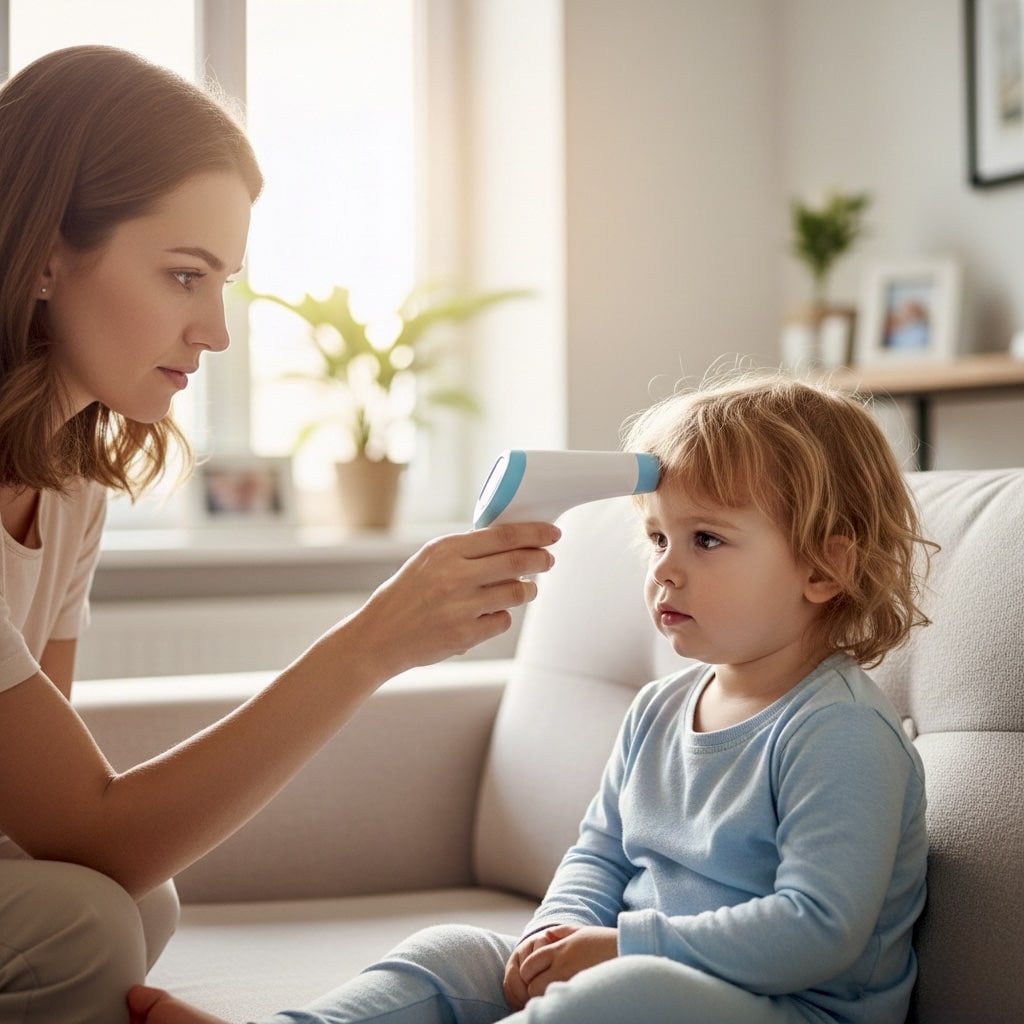
Few things strike terror into a parent’s heart like discovering their child burning with fever in the middle of the night. Your mind races with worst case scenarios while your hands shake as you reach for the thermometer, desperately hoping the numbers won’t confirm your fears. The truth is that fever in children, while often frightening, serves as your child’s natural defense mechanism; knowing when to intervene and how to manage it safely can literally mean the difference between a simple recovery and a life threatening emergency.
Modern pediatric medicine has revolutionized our understanding of fever management techniques, moving away from the outdated “bring down all fevers immediately” approach to a more nuanced strategy that recognizes when fever helps healing and when fever is dangerous. These evidence based techniques will transform you from a panicked parent into a confident fever management expert, equipped with the knowledge to protect your child while supporting their natural healing process.
Understanding Fever in Children: Your Child’s Powerful Immune Response
Fever isn’t an enemy to be conquered; it’s a sophisticated biological response that helps your child’s immune system fight infection more effectively. When the body detects harmful pathogens, the hypothalamus (the brain’s temperature control center) deliberately raises body temperature to create an environment where viruses and bacteria struggle to survive while immune cells function more efficiently.
Research published in the Journal of Pediatrics demonstrates that moderate fever in children actually shortens illness duration and reduces the severity of symptoms in many childhood infections. The key lies in understanding when fever serves a protective purpose and when it requires immediate intervention to prevent dangerous complications.
Read more: 10 Critical Fever Management Techniques That Could Save Your Child’s LifeJournal of Pediatrics
1 – Recognizing Normal vs. Dangerous Temperature Ranges
Understanding temperature ranges is the foundation of all effective fever management techniques. Parents who know these thresholds can respond appropriately without panic or delay.
Temperature Classification for Fever in Children
Normal: 97°F to 100.3°F (36.1°C to 37.9°C)
Low grade fever: 100.4°F to 102°F (38°C to 38.9°C)
Moderate fever: 102.1°F to 104°F (38.9°C to 40°C)
High fever: Above 104°F (40°C)
Dangerous fever: Above 106°F (41.1°C)
These ranges help you determine when fever is dangerous and requires immediate medical attention versus when watchful waiting with comfort measures is appropriate.
2 – Understanding When Fever Is Dangerous and Requires Emergency Care
While most fevers are harmless and even beneficial, certain situations require immediate medical intervention regardless of temperature readings. The American Academy of Pediatrics has established clear guidelines for when fever is dangerous, particularly based on age and accompanying symptoms.
Immediate Emergency Care Required for Fever in Children
Understanding when fever in children requires emergency care is essential for every parent. These situations demand immediate medical attention:
- Any fever in babies under 3 months old (rectal temperature 100.4°F/38°C or higher) represents a potentially serious situation. Newborns and young infants have immature immune systems that cannot effectively fight infections, making even low grade fevers potentially dangerous. Their inability to communicate discomfort and the rapid progression of serious illnesses in this age group make medical evaluation critical.
- Fever above 104°F (40°C) in children of any age requires immediate assessment. While high temperatures don’t automatically indicate severe illness, they increase the risk of dehydration and febrile seizures. Medical professionals can evaluate the underlying cause and provide appropriate treatment to prevent complications.
- Fever lasting more than 5 days regardless of temperature suggests the body is struggling to overcome an infection. Prolonged fevers may indicate bacterial infections requiring antibiotic treatment, immune system issues, or other conditions needing medical intervention.
- Fever accompanied by severe headache, stiff neck, difficulty breathing, or altered consciousness may signal serious conditions like meningitis, encephalitis, or severe respiratory infections. These symptoms combined with fever constitute medical emergencies requiring immediate hospital evaluation.
- Signs of dehydration including decreased urination, dry mouth, sunken eyes, extreme lethargy, or lack of tears when crying indicate the child’s body is losing fluids faster than they can be replaced. Dehydration combined with fever can rapidly become life threatening, especially in young children.
- Febrile seizures lasting longer than 5 minutes or recurring multiple times within 24 hours require emergency medical evaluation. While brief febrile seizures are usually harmless, prolonged or repeated seizures may indicate more serious neurological conditions.
American Academy of Pediatrics
Age Specific Emergency Thresholds for Fever in Children
Different age groups require different approaches to fever management techniques:
0 to 3 months: Any fever requires immediate medical evaluation. Even slightly elevated temperatures in newborns can indicate serious bacterial infections like sepsis, meningitis, or urinary tract infections. Never give fever reducing medications to babies under 3 months without medical guidance.
3 to 6 months: Fever above 102°F (38.9°C) or lasting more than 24 hours warrants medical consultation. While their immune systems are slightly more developed, infants in this age group remain vulnerable to serious infections requiring prompt treatment.
6 to 24 months: Fever above 103°F (39.4°C) or accompanied by concerning symptoms like persistent crying, difficulty breathing, or refusal to eat needs medical evaluation. This age group faces higher risk of febrile seizures, making careful monitoring essential.
Over 2 years: Focus on overall appearance and symptoms rather than temperature alone. A child with a 103°F fever who’s playing, drinking fluids, and interacting normally may need less intervention than a lethargic child with a 101°F fever showing signs of serious illness.
3 – The Comfort Based Assessment Method
Modern pediatric medicine emphasizes treating the child, not the thermometer. This paradigm shift recognizes that a comfortable child with a 103°F fever may need less intervention than a miserable child with a 101°F fever. The goal becomes managing discomfort while allowing fever to support the healing process when appropriate.
How to Assess Your Child’s Comfort Level
Evaluate your child’s overall appearance, activity level, appetite, and responsiveness rather than focusing solely on temperature numbers. A child who’s playing, drinking fluids, and interacting normally may not need aggressive fever reduction even with moderately elevated temperature.
Observe how your child responds to your presence. Do they make eye contact? Can they be consoled? Are they interested in favorite toys or activities? These behavioral indicators often provide more valuable information than temperature readings alone.
When to Apply Fever Management Techniques for Comfort
Implementing proper fever management techniques requires understanding when intervention helps:
Child appears miserable, lethargic, or extremely uncomfortable despite adequate hydration and rest. When fever prevents your child from functioning normally, reducing temperature can improve their ability to rest and recover.
Fever prevents adequate fluid intake or sleep. Dehydration and exhaustion can worsen illness and slow recovery. If fever makes your child too uncomfortable to drink fluids or sleep, fever reduction becomes important for overall health.
Child has a history of febrile seizures. Children who’ve experienced febrile seizures face higher risk of recurrence. More aggressive fever management techniques may help prevent future episodes, though seizures can occur even with treatment.
Underlying medical conditions make fever more dangerous. Children with heart conditions, neurological disorders, or compromised immune systems may need earlier intervention to prevent complications.
Temperature exceeds 104°F (40°C) regardless of comfort level. Very high fevers increase risks of dehydration and other complications, warranting treatment even if the child appears relatively comfortable.
4 – Strategic Medication Timing and Dosing to Reduce Child Fever Safely
Modern fever management techniques involve precise medication timing based on your child’s weight, not age. Acetaminophen (Tylenol) and ibuprofen (Motrin/Advil) can be used together safely when properly spaced, creating more effective fever control than single medications alone.
How to Reduce Child Fever Safely With Acetaminophen
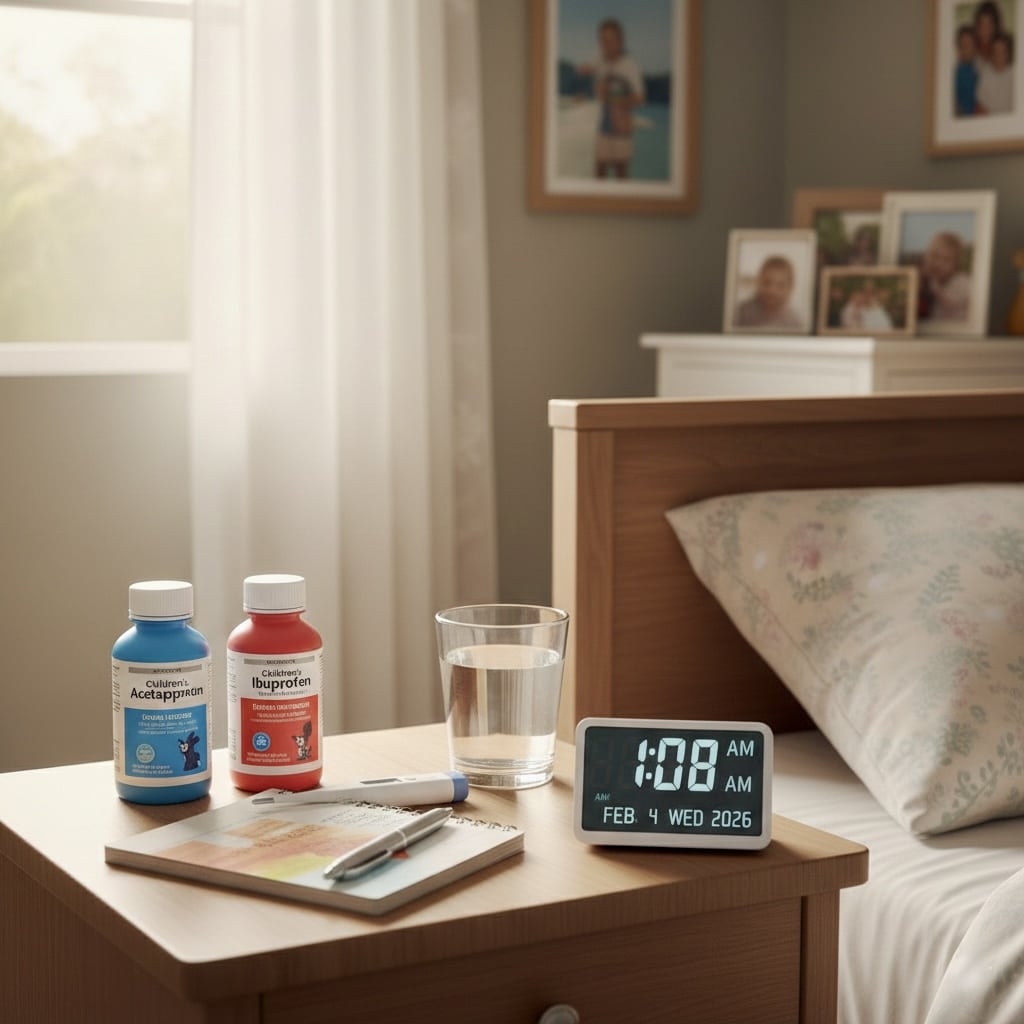
Acetaminophen Protocol: Dose every 4 to 6 hours based on weight (15mg/kg per dose). Never exceed 5 doses in 24 hours. Can be used in children over 2 months old. Acetaminophen reduces fever and pain by affecting the brain’s temperature control center and pain receptors. It’s generally well tolerated with minimal side effects when dosed correctly.
How to Reduce Child Fever Safely With Ibuprofen
Ibuprofen Protocol: Dose every 6 to 8 hours based on weight (10mg/kg per dose). Only use in children over 6 months old. Never give to dehydrated children. Ibuprofen reduces inflammation in addition to lowering fever and relieving pain. It can irritate the stomach, so always give with food or milk.
Alternating Medication Strategy
When fever exceeds 103°F (39.4°C) and comfort measures alone aren’t effective, alternating acetaminophen and ibuprofen every 3 to 4 hours can provide superior fever control while reducing the risk of overdose. This approach maintains therapeutic levels of medication throughout the day without exceeding safe doses of either drug.
Create a medication log documenting exact times and doses of all medications given. This prevents dangerous accidental overdoses and helps healthcare providers assess treatment effectiveness. Set phone alarms to remind you when the next dose is due, preventing missed doses that could allow fever to spike uncomfortably.
5 – Tepid Water Therapy to Reduce Child Fever Safely
Physical cooling methods work alongside medications as essential fever management techniques. Tepid water therapy provides gentle, effective temperature reduction without the risks associated with cold water or ice baths.
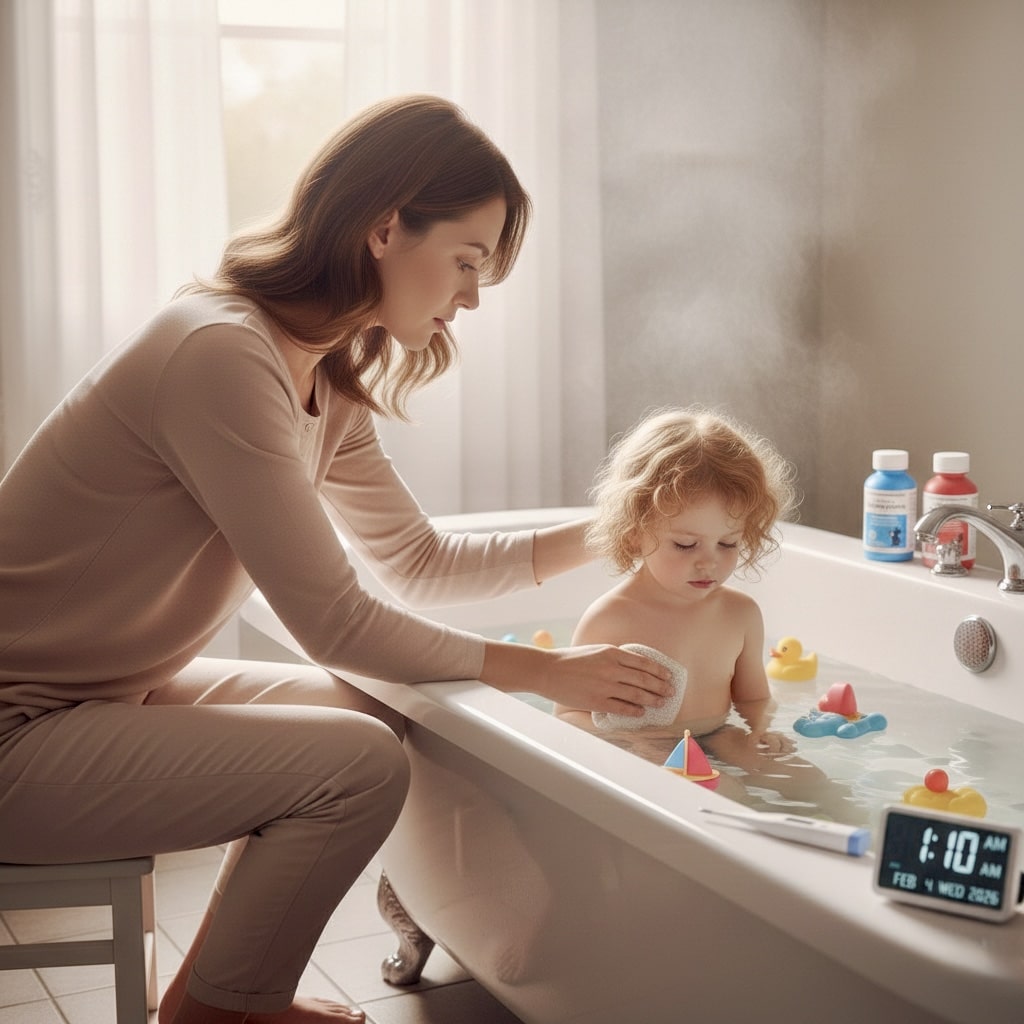
Proper Tepid Water Bath Technique
Use lukewarm (not cold) water for baths or sponge baths. Cold water causes shivering, which actually raises body temperature as the body attempts to generate heat. The evaporation of tepid water provides gentle cooling without shocking the system.
Fill a bathtub with water that feels slightly warm to your wrist, around 85 to 90°F (29 to 32°C). Allow your child to play in the water for 10 to 15 minutes, which provides gradual cooling while keeping them comfortable. If your child resists bathing, use a soft cloth dampened with tepid water to gently sponge their forehead, neck, armpits, and groin where major blood vessels run close to the skin.
Never use alcohol rubs or ice baths. Alcohol can be absorbed through the skin and cause poisoning. It also causes rapid cooling that can lead to dangerous temperature fluctuations and shivering, which raises core body temperature.
6 – Strategic Clothing and Environmental Control
Managing your child’s environment is one of the most overlooked fever management techniques. Simple adjustments to clothing and room temperature can significantly improve comfort and support natural cooling.
Optimal Clothing Choices for Fever in Children
Dress your child in light, breathable fabrics like cotton that allow heat to escape naturally. Remove heavy blankets but avoid making them cold, as shivering will increase temperature. Use light sheets for comfort without trapping body heat.
Change your child’s clothing if they’ve sweated through it, as damp fabric against the skin can cause discomfort and chills. Keep several changes of lightweight pajamas handy during illness so you can quickly replace soiled clothing without having to search through drawers.
Environmental Temperature Control
Maintain room temperature around 70 to 72°F (21 to 22°C) with good air circulation. Use fans to promote air movement but don’t direct them at your child. Position fans to circulate air throughout the room without creating drafts that might cause chilling.
Keep windows slightly open if weather permits to ensure fresh air circulation. Stuffy, warm rooms can make fever more uncomfortable and may actually trap heat, preventing natural cooling.
7 – Hydration Based Cooling Methods
Proper hydration serves dual purposes in fever management techniques: it prevents dehydration while providing internal cooling. This technique is often the most important yet most neglected aspect of fever care.
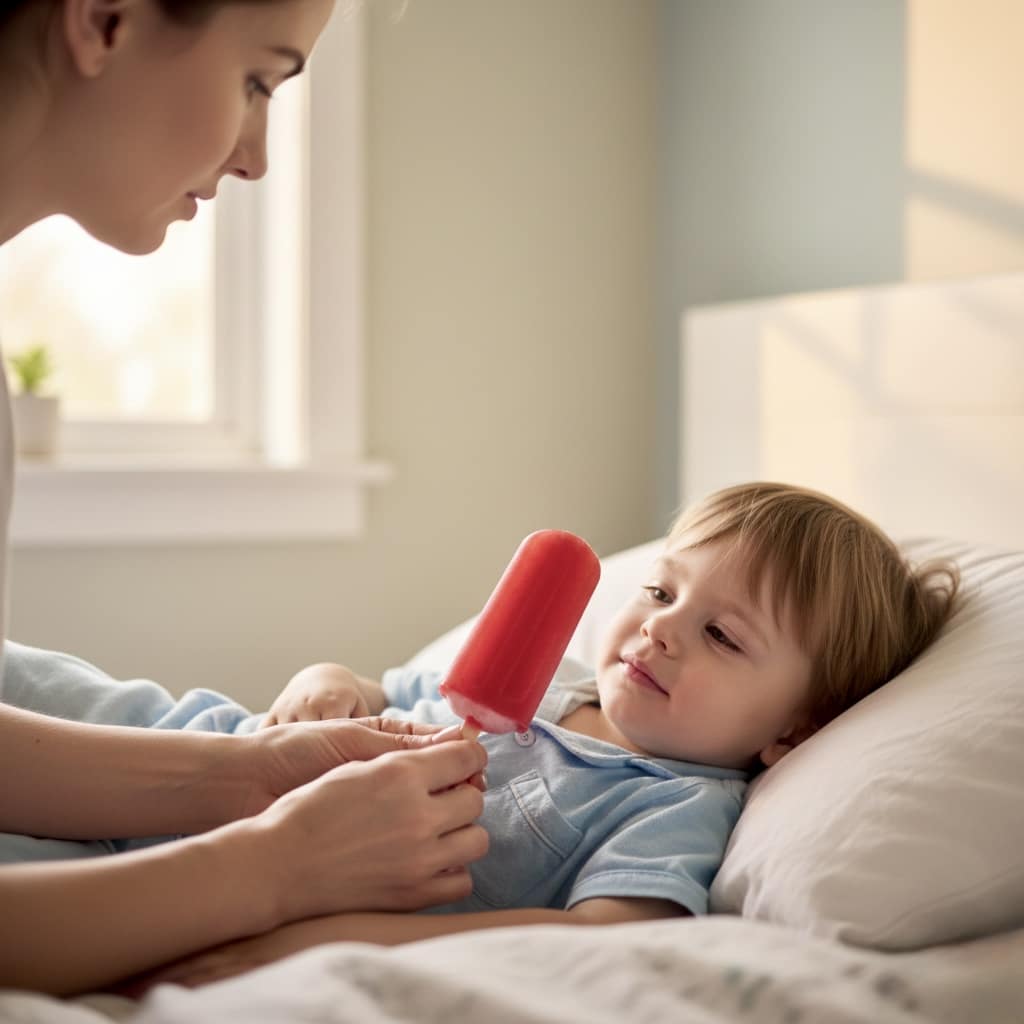
Effective Hydration Strategies for Fever in Children
Offer cool (not ice cold) fluids frequently. Popsicles, ice chips, or cool drinks help lower core temperature while preventing dehydration. Avoid sugary drinks that can worsen nausea or interfere with appetite for more nutritious fluids.
Encourage small, frequent sips rather than large amounts at once. Offer fluids every 15 to 20 minutes, even if only a few sips. Electrolyte solutions designed for children can help replace minerals lost through sweating and may be more appealing than plain water.
Once your child’s fever subsides and appetite returns, offering healthy foods for babies can support their immune system recovery and restore energy levels.
8 – Advanced Monitoring and Documentation
Systematic tracking transforms scattered observations into valuable data that helps identify patterns and ensures safe medication administration. This is among the most critical fever management techniques for preventing errors and supporting medical consultations.
Temperature Tracking Strategy
Record temperature, time, medication given, and child’s comfort level every 2 to 4 hours. This data helps healthcare providers assess fever patterns and treatment effectiveness. Document any changes in behavior, symptoms, or overall appearance alongside temperature readings.
Digital Documentation Tools
Use smartphone apps or simple charts to track fever progression, symptoms, and medication timing. This prevents dangerous medication errors and provides valuable information for medical consultations. Many of the best baby sleep monitoring apps also include fever tracking features that can generate reports to share with your pediatrician during appointments.
Multi Site Temperature Monitoring Techniques
Rectal temperatures are most accurate for children under 3 years old, typically reading 0.5 to 1 degree higher than oral temperatures. Temporal artery thermometers provide reliable readings for older children when used correctly. Oral temperatures work best for children over 4 who can cooperate by keeping the thermometer under their tongue with mouth closed.
Axillary (armpit) temperatures are least accurate but may be acceptable for screening purposes. If an axillary reading suggests fever, confirm with a more accurate method before making treatment decisions.
Symptom Pattern Recognition
Document accompanying symptoms like rash, cough, vomiting, diarrhea, or behavioral changes. These patterns help identify serious baby digestive problems or other conditions requiring immediate medical attention. Note when symptoms appear in relation to fever onset and whether they improve or worsen as fever is treated.
Pay attention to concerning symptom combinations such as fever with stiff neck (possible meningitis), fever with difficulty breathing (possible pneumonia), or fever with rash that doesn’t blanch when pressed (possible dangerous skin conditions in babies requiring emergency care).
9 – Febrile Seizure Prevention and Management
Febrile seizure prevention represents one of the most anxiety-producing aspects of fever management techniques. Understanding how to respond appropriately can save your child’s life and prevent long term complications.
Understanding Febrile Seizures in Children
Febrile seizures occur in 2 to 5% of children between 6 months and 5 years old, typically during rapid temperature rises rather than at peak fever. While terrifying to witness, most febrile seizures are harmless and don’t cause long term complications.
Immediate Seizure Response Protocol
Stay calm and time the seizure using your phone’s timer. Most febrile seizures last less than 5 minutes and stop on their own without treatment. Place child on their side on a safe, soft surface like a carpeted floor or bed to prevent injury and allow saliva to drain from the mouth.
Don’t put anything in their mouth, including fingers, spoons, or medication. The belief that people swallow their tongues during seizures is a myth. Attempting to restrain movement can cause injuries. Simply remove nearby objects and cushion their head with a pillow or soft item.
Call emergency services if seizure lasts more than 5 minutes, your child has difficulty breathing after the seizure, or this is their first seizure. Even if the seizure stops quickly, contact your pediatrician for guidance on whether immediate evaluation is needed.
Febrile Seizure Prevention Strategies
Children with a history of febrile seizures may benefit from more aggressive fever management techniques. Discuss preventive medication strategies with your pediatrician for high risk situations. Some doctors recommend treating fever earlier and more aggressively in children with seizure history, though this doesn’t guarantee prevention.
10 – Knowing When Professional Medical Care Becomes Essential
The most important of all fever management techniques is recognizing when home care is insufficient and professional evaluation becomes necessary. This knowledge can prevent tragic outcomes and ensure your child receives timely, appropriate treatment.
Telemedicine Consultation Criteria
Many pediatric practices offer telehealth services for fever management guidance. Video consultations can help assess your child’s overall appearance and determine if in person evaluation is necessary. Telemedicine works well for evaluating comfort level, hydration status, and general responsiveness.
Emergency Department vs. Urgent Care for Fever in Children
Emergency departments handle life threatening situations like high fever in infants under 3 months, febrile seizures, difficulty breathing, or severe dehydration. Urgent care centers manage less critical concerns like moderate fever in older children with mild symptoms during times when your pediatrician’s office is closed.
Preparation for Medical Visits
Bring your fever log, medication list, and specific questions about your child’s condition. This preparation ensures efficient, effective medical consultations. Write down your concerns beforehand so you don’t forget important details when speaking with healthcare providers.
Dangerous Fever Management Myths That Harm Children
Understanding what NOT to do is as important as knowing proper fever management techniques. These dangerous myths persist despite medical evidence proving their harm.
Myth: All Fevers Must Be Brought Down Immediately
Reality: Low grade fevers (100.4°F to 102°F) often help fight infection and may not require treatment if the child is comfortable. Fever creates an environment hostile to viruses and bacteria while enhancing immune cell activity. Unnecessarily suppressing beneficial fever may actually prolong illness.
Myth: Alcohol Rubs Cool Fever Effectively
Reality: Alcohol can be absorbed through the skin and cause poisoning. It also causes rapid cooling that can lead to dangerous temperature fluctuations and shivering, which raises core body temperature. Never use alcohol rubs, regardless of cultural traditions or old wives’ tales.
Myth: Bundling Up Helps “Sweat Out” Fever
Reality: Overdressing traps heat and can raise temperature to dangerous levels. Light clothing allows natural heat dissipation through the skin. While sweating is part of the fever process, forcing it through excessive clothing or blankets can cause overheating and dehydration.
Myth: Aspirin Is Safe for Childhood Fevers
Reality: Aspirin can cause Reye’s syndrome in children with viral infections, a rare but potentially fatal condition affecting the brain and liver. Never give aspirin to children under 18 years old for fever or viral illness. Stick with acetaminophen or ibuprofen as recommended by your pediatrician.
Building Long Term Confidence in Fever Management Techniques
Understanding that fever is often a helpful immune response rather than a dangerous enemy transforms your approach to childhood illness. Focus on your child’s overall well being, comfort, and hydration while monitoring for concerning changes that warrant medical intervention.
Develop relationships with healthcare providers before emergencies occur. Know your pediatrician’s after hours policies, identify nearby urgent care facilities, and establish clear guidelines for when to seek immediate medical attention.
Remember that effective fever management techniques aren’t about achieving perfect temperature control; they’re about supporting your child’s natural healing process while ensuring their safety and comfort. Trust your parental instincts, follow evidence based guidelines, and don’t hesitate to seek professional guidance when concerned about your child’s condition.
Your knowledge and confidence in managing fever safely can make the difference between a frightening experience and a manageable illness that strengthens your child’s developing immune system for future health challenges.
Looking for comprehensive guidance on caring for your baby? Our book ‘How to Care for Children: From Birth to Age 2’ combines professional nanny experience with evidence based child development research. Written by Kelly and Peter, this guide provides clear, reliable advice rooted in real world childcare. Available in English, Spanish, and Portuguese on Amazon.
Click the link below your preferred language to get your copy!



1. What temperature is considered dangerous fever in children?
Fever is dangerous when it exceeds 104°F (40°C) in children of any age, or when any fever occurs in babies under 3 months old. However, temperature alone doesn’t determine severity. A child’s overall appearance, behavior, and accompanying symptoms are equally important indicators. Always seek immediate medical care for high fevers, prolonged fevers lasting more than 5 days, or fevers accompanied by severe symptoms like difficulty breathing, stiff neck, or altered consciousness. Effective fever management techniques focus on the child’s overall condition, not just the thermometer reading.
2 . How can I reduce child fever safely without medication?
To reduce child fever safely without medication, use these proven fever management techniques: tepid water baths (85 to 90°F), light clothing in breathable fabrics, room temperature around 70 to 72°F, and frequent hydration with cool fluids. Avoid cold water, alcohol rubs, or excessive bundling, as these methods can be dangerous. These comfort measures work best for low grade fevers when your child appears relatively comfortable and is drinking fluids adequately. Always monitor for signs that indicate when fever is dangerous and medical intervention becomes necessary.
3. Should I alternate acetaminophen and ibuprofen for fever in children?
Alternating acetaminophen and ibuprofen every 3 to 4 hours can be effective fever management techniques for high fevers above 103°F (39.4°C) when single medication doesn’t provide adequate relief. However, this approach requires careful documentation to prevent accidental overdose. Always dose medications based on your child’s weight, not age, and maintain a detailed log of exact times and amounts given. Consult your pediatrician before implementing alternating medication strategies to ensure you’re using proper fever management techniques for your child’s specific situation.
4. When is fever dangerous enough to go to the emergency room?
Go to the emergency room immediately when fever is dangerous, including: any fever in babies under 3 months old, fever above 104°F (40°C), fever with stiff neck or severe headache, difficulty breathing, extreme lethargy, seizures lasting more than 5 minutes, signs of dehydration, or a rash that doesn’t blanch when pressed. These situations require immediate professional evaluation regardless of which fever management techniques you’ve tried at home. Trust your parental instincts; if your child seems seriously ill regardless of temperature, seek emergency medical evaluation.
5. What are the warning signs of febrile seizures in children?
Febrile seizure prevention is one of the most important fever management techniques for parents to understand. Warning signs include sudden stiffening or jerking movements, loss of consciousness, eye rolling, and unresponsiveness during fever in children. Febrile seizures typically occur during rapid temperature rises and affect 2 to 5% of children between 6 months and 5 years old. Most last less than 5 minutes and stop on their own. During a seizure, place your child on their side on a safe surface, time the episode, and call emergency services if it exceeds 5 minutes.
6. How long should fever last before seeing a doctor?
Contact your pediatrician if fever lasts more than 3 days in children under 2 years old or more than 5 days in older children. However, seek immediate medical care regardless of duration if fever is dangerous, showing concerning symptoms, your child appears very ill, refuses fluids, shows signs of dehydration, or you feel something is seriously wrong. Early evaluation is especially important for infants under 6 months. Proper fever management techniques include knowing when home care is insufficient and professional evaluation becomes necessary.
7. Can teething cause high fever in babies?
Teething typically causes only slight temperature elevation (under 100.4°F/38°C), not true fever in children. If your baby has a temperature above 100.4°F during teething, assume another illness is responsible and apply appropriate fever management techniques. Never dismiss fever as “just teething,” as this can delay recognition of serious infections requiring medical treatment. Understanding when fever is dangerous, regardless of suspected cause, is essential for protecting your child’s health.
8. What fever management techniques work best for different age groups?
Age appropriate fever management techniques vary significantly. For babies under 3 months, any fever requires immediate medical evaluation without home treatment attempts. For infants 3 to 6 months, focus on hydration and light clothing while consulting your pediatrician. Older babies and toddlers respond well to tepid baths, appropriate clothing, and weight based acetaminophen or ibuprofen dosing. Always prioritize your child’s comfort level and overall appearance over achieving perfect temperature control when applying fever management techniques.