
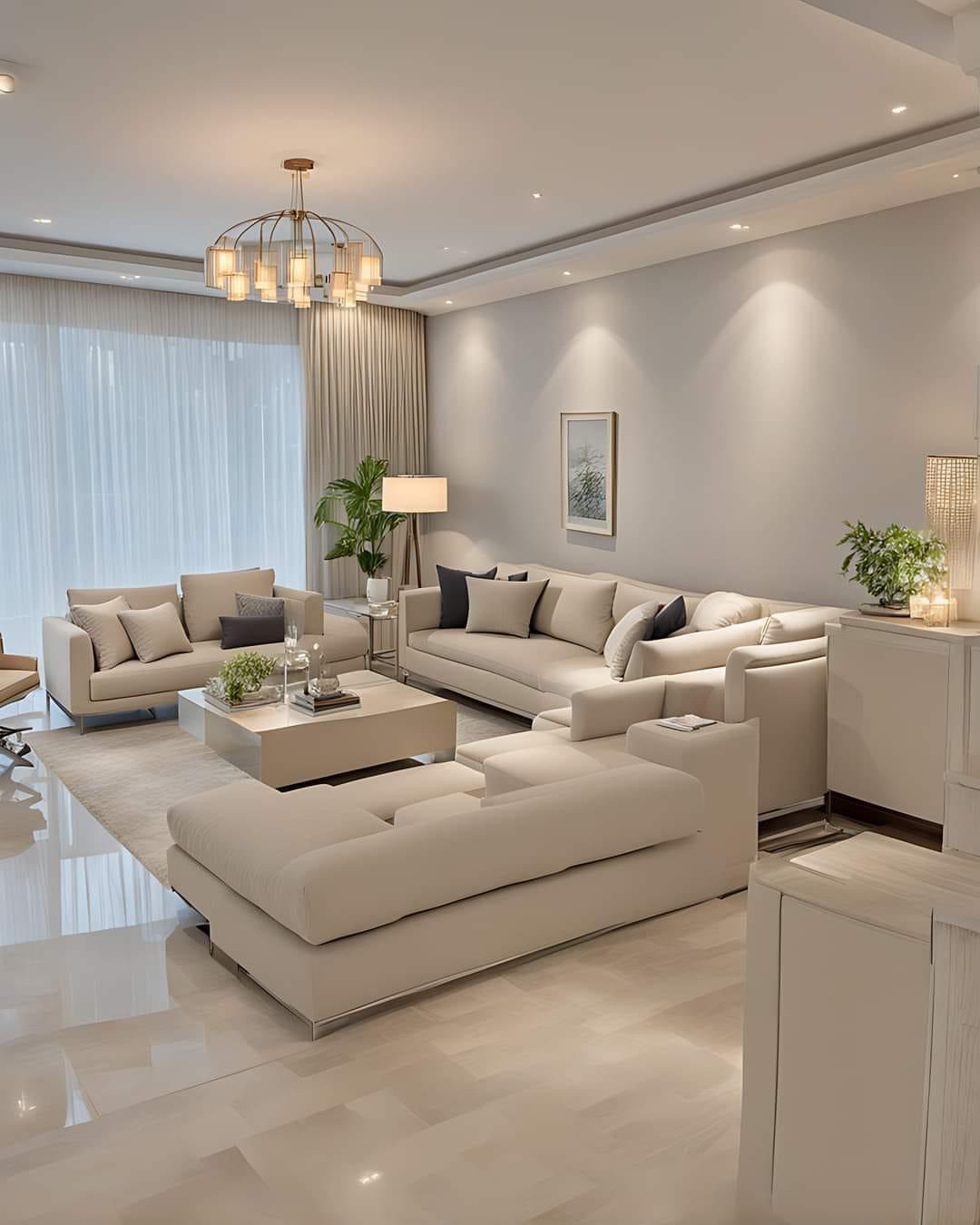
Indoor plant care has evolved into a sophisticated practice that combines botanical science, environmental psychology, and wellness principles to create thriving green spaces within our homes.
Contemporary research reveals that successful houseplant cultivation extends far beyond basic watering and lighting, encompassing advanced understanding of plant physiology, microclimate management, and the intricate relationships between plants and their indoor environments.
For beginners, mastering these fundamentals opens the door to a rewarding hobby that provides mental health benefits, improved air quality, and the satisfaction of nurturing living ecosystems within domestic spaces.
The Science of Indoor Plant Ecosystems
Modern botany reveals that indoor plant care operate within complex microecosystems that require careful balance of multiple environmental factors. Understanding plant physiology helps beginners recognize that successful cultivation depends on replicating natural conditions while adapting to indoor constraints.
Plants perform photosynthesis, respiration, and transpiration processes that directly interact with indoor air quality, humidity levels, and atmospheric circulation patterns.
The concept of “plant stress responses” helps beginners understand how environmental changes affect plant health. Unlike outdoor plants that gradually adapt to seasonal changes, indoor plants must adjust quickly to sudden shifts in lighting, temperature, or humidity.
Recognizing early stress signals such as leaf discoloration, drooping, or unusual growth patterns enables proactive intervention before problems become severe.
Circadian rhythms in plants mirror human biological clocks, with many species requiring distinct day and night cycles for optimal health.
This understanding transforms basic lighting considerations into sophisticated light management that considers duration, intensity, and spectrum throughout different seasons and plant growth phases.
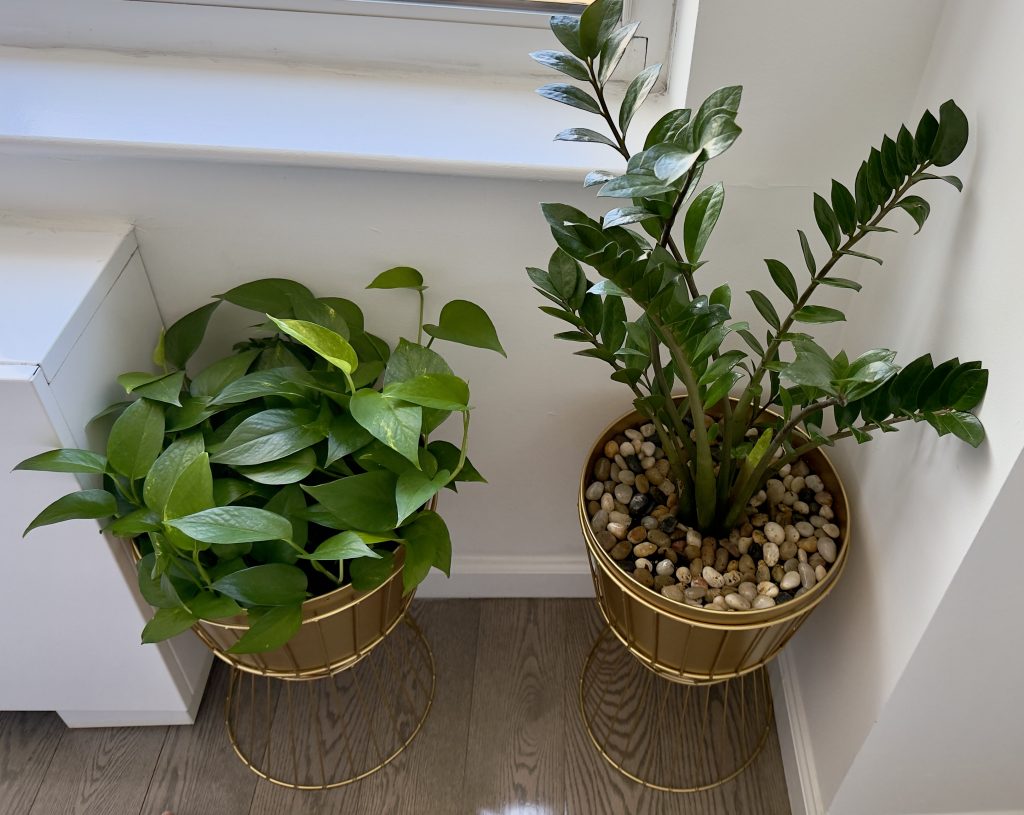
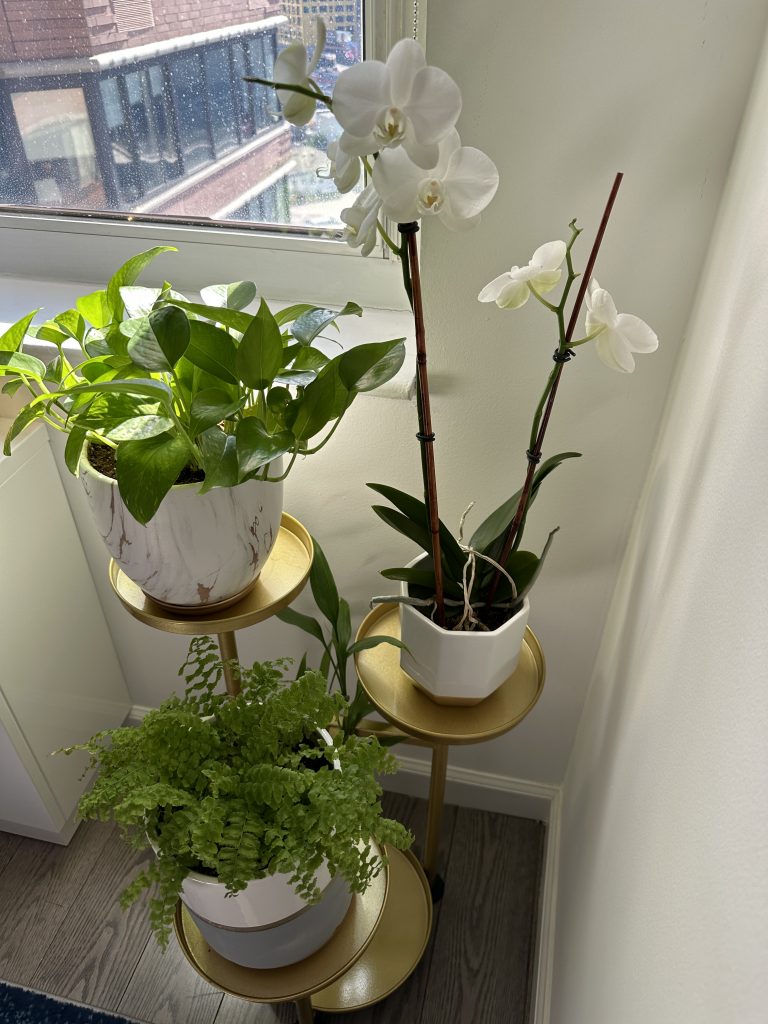
Advanced Diagnostic Techniques for Plant Health
Successful indoor gardening requires developing observational skills that allow early identification of plant health issues. Implement “systematic plant assessment protocols” that include regular examination of leaf color and texture, growth patterns, soil condition, and root health.
These assessments help distinguish between normal growth variations and indicators of environmental stress or disease.
Develop “environmental monitoring practices” that track temperature fluctuations, humidity levels, and air circulation patterns throughout your home.
Many plant problems stem from microenvironmental conditions that aren’t immediately obvious such as cold drafts from air conditioning, dry air from heating systems, or inadequate air circulation in corners or enclosed spaces.
Practice “soil health evaluation techniques” that go beyond surface moisture assessment. Learn to recognize proper soil texture, drainage capacity, and nutrient availability through visual and tactile examination.
Healthy soil should smell earthy rather than sour, drain adequately without becoming waterlogged, and maintain appropriate moisture retention for each plant species.
Seasonal Care Adaptation and Growth Cycles
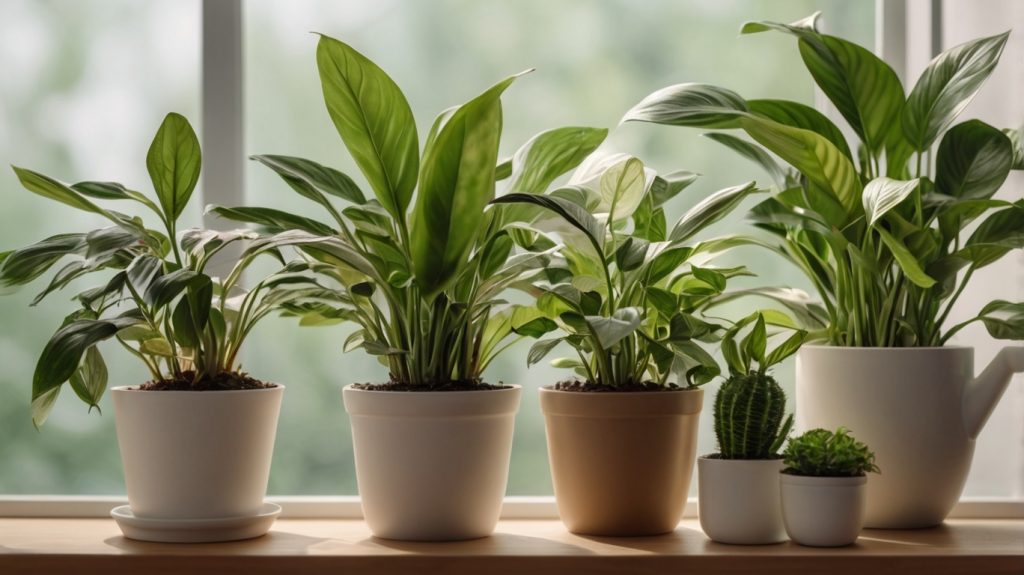
Indoor plant care requires understanding how seasonal changes affect growth patterns and care requirements, even in climate-controlled environments.
During winter months, most houseplants enter dormancy periods requiring reduced watering, minimal fertilization, and adjusted light exposure.
This natural cycle helps plants conserve energy during periods of reduced daylight and lower humidity.
Implement “seasonal transition protocols” that gradually adjust care routines as seasons change. This includes modifying watering schedules, relocating plants to optimize available light, and adjusting humidity levels to compensate for heating and cooling systems.
These transitions should occur gradually over several weeks to prevent plant shock.
Create “growth monitoring systems” that track plant development through different seasons. Many beginners become concerned when plant growth slows during winter, not realizing this is natural and healthy.
Understanding these cycles prevents unnecessary intervention and allows plants to follow their natural rhythms.
Integrated Pest Management and Disease Prevention
Healthy indoor gardens require proactive approaches to pest prevention and disease management that emphasize environmental controls over reactive treatments. Develop “prevention-first strategies” that create conditions favoring plant health while discouraging pest establishment.
This includes proper spacing for air circulation, appropriate humidity levels, and regular cleaning practices that remove potential pest habitats.
Learn to identify common indoor plant pests such as spider mites, aphids, and scale insects in their early stages when intervention is most effective.
Many pest problems can be prevented through environmental management, such as avoiding overwatering that attracts fungus gnats or maintaining adequate humidity to prevent spider mite infestations.
Implement “quarantine protocols” for new plants that prevent introducing pests or diseases to established collections.
New acquisitions should be isolated for several weeks while monitoring for signs of problems that weren’t apparent at purchase. This practice protects existing plants while allowing time for any issues to manifest and be addressed.
Propagation Techniques and Plant Multiplication
Understanding basic propagation methods opens opportunities for expanding plant collections while developing deeper botanical knowledge.
Learn “cutting propagation techniques” that work with various plant types, from simple stem cuttings in water to more advanced methods using rooting hormones and specialized growing media.
Practice “division and separation methods” for plants that naturally produce offsets or can be divided at the root level.
These techniques not only multiply plant collections but also rejuvenate overgrown specimens and improve their overall health and appearance.
Develop “seed starting capabilities” for growing plants from seed, which provides unique satisfaction and access to rare or unusual varieties not commonly available as established plants.
This advanced skill requires understanding germination requirements, seedling care, and the patience to nurture plants through their complete growth cycle.
Read more: How to Care for Indoor Plant: A Beginner’s GuideHOUSEPLANT PRIMER: A GUIDE TO BASIC CARE AND DURABLE PLANTS
Creating Optimal Growing Environments
Successful indoor gardening often requires modifying home environments to better support plant growth. Implement “microclimate creation strategies” that optimize conditions for specific plant groups.
This might include establishing high humidity zones for tropical plants, creating bright growing areas with supplemental lighting, or developing cool, humid conditions for plants requiring winter vernalization.
Understand “air quality management” that benefits both plants and human occupants. Plants contribute to indoor air purification, but they also require clean air to function optimally.
This includes managing household chemicals, ensuring adequate ventilation, and understanding how common indoor air pollutants affect plant health.
Design “plant grouping systems” that create beneficial microclimates through strategic placement.
Plants naturally modify their immediate environment through transpiration and air movement, and grouping compatible species can create more favorable growing conditions for the entire collection.
Creating dedicated plant care zones requires thoughtful home organization strategies that accommodate watering supplies, potting materials, and growing equipment.
Mastering Light Requirements and Supplemental Lighting
Understanding light requirements represents perhaps the single most critical factor determining indoor plant success, yet remains one of the most misunderstood aspects of houseplant care.
Human eyes possess remarkable adaptability, automatically adjusting to vastly different light levels as we move between rooms.
This adaptability works against plant care because what appears “bright” to our eyes may provide only a fraction of the light intensity plants require for healthy growth.
Light intensity measurements use foot candles as the standard unit, with outdoor noon light reaching over 4000 foot candles while north facing windows may never exceed 400 foot candles.
Office environments lit solely by fluorescent bulbs often provide merely 40 foot candles or fewer.
This dramatic variation, barely noticeable to human perception, creates vastly different growing conditions for plants requiring specific light levels.
Plants fall into three primary light requirement categories based on their native habitats. Low light plants, typically understory species from tropical forests, tolerate 50 to 250 foot candles and thrive in north facing windows or darker corners away from direct sunlight.
Medium light plants require 250 to 1000 foot candles, performing well in east or west facing windows with several hours of gentle morning or afternoon sun.
High light plants demand over 1000 foot candles with extended direct sun exposure, typically thriving in unobstructed south or southwest facing windows.
Distance from windows dramatically affects available light intensity. Measurements reveal that indirect light strength decreases rapidly just feet from windows as the visible sky angle diminishes.
Plants positioned directly at windows may receive 401 foot candles while identical locations three feet back measure only 91 foot candles, a reduction our eyes barely detect yet plants experience profoundly.
Contemporary supplemental lighting technology offers sophisticated solutions for spaces lacking adequate natural light.
LED grow lights represent the newest advancement, providing customized wavelength output targeting the blue and red spectrum portions plants require for photosynthesis while emitting minimal heat and operating with exceptional energy efficiency.
Though initial investment costs exceed traditional options, LED longevity and energy savings justify the expense for serious indoor gardeners.
Fluorescent lights, particularly T5 high output tubes, remain popular choices balancing effectiveness, affordability, and ease of use.
Cool white and warm white tube combinations provide adequate spectrum coverage for most houseplants when positioned 6 to 12 inches above foliage. Flowering plants require closer placement and extended daily exposure compared to foliage plants focusing primarily on vegetative growth.
Light duration, measured as photoperiod, influences plant growth phases and flowering responses. Most foliage plants thrive with 14 to 16 hours daily light exposure while flowering plants require 12 to 16 hours depending on species.
Some plants exhibit photoperiod sensitivity, with short day plants like poinsettias and chrysanthemums requiring extended darkness periods to initiate flowering while long day plants flower when light duration exceeds dark periods.
The Daily Light Integral measurement, quantifying total photosynthetically active radiation delivered over 24 hour periods, provides the most scientifically accurate method for evaluating whether artificial lighting adequately supports plant growth.
Calculating DLI involves multiplying light intensity by exposure duration, enabling precise adjustments to fixture height, bulb wattage, or timer settings to achieve optimal growing conditions for specific plant species.
Soil Composition and Fertilization Strategies
Quality potting soil creates the foundation for healthy indoor plant growth, yet many beginners underestimate its importance beyond simple physical support.
Modern potting media combines multiple components engineered to provide optimal drainage, aeration, moisture retention, and nutrient availability while remaining lightweight and disease free compared to outdoor garden soil.
Premium potting mixes typically incorporate peat moss or coconut coir for moisture retention, perlite or vermiculite for drainage and aeration, and composted bark or other organic matter for structure and slow nutrient release.
Soilless mixes, despite the name, provide superior performance for most houseplants compared to traditional soil based media.
The porous structure prevents compaction while allowing root systems to access adequate oxygen essential for nutrient uptake and overall plant health.
Different plant families require specialized soil formulations. Cacti and succulents demand exceptionally well draining mixes incorporating substantial sand or pumice content preventing water retention that causes root rot.
Orchids grow in bark based media replicating their epiphytic natural habitats.
African violets prefer slightly acidic, fine textured mixes maintaining consistent moisture without waterlogging. Understanding these variations prevents common cultural problems stemming from inappropriate growing media.
Fertilization science distinguishes between plant food, which plants manufacture through photosynthesis, and fertilizer nutrients required as raw materials for growth processes.
The three primary macronutrients, nitrogen, phosphorus, and potassium, appear as NPK ratios on fertilizer labels indicating relative concentrations.
Balanced 20 20 20 formulations suit general purpose houseplant care while specialized ratios optimize specific growth responses.
Nitrogen drives vegetative growth, promoting lush foliage development and deep green coloration. Phosphorus supports root development, flowering, and fruiting processes. Potassium enhances overall plant vigor, disease resistance, and stress tolerance.
Secondary nutrients including calcium, magnesium, and sulfur plus micronutrients like iron, manganese, zinc, copper, and boron complete nutritional requirements though needed in smaller quantities.
Fertilizer formulations offer multiple application methods suited to different growing situations and maintenance schedules. Liquid concentrates dissolve in water for regular feeding during routine watering, providing nutrients immediately available for plant uptake.
This approach allows precise concentration adjustment and works well for heavy feeders requiring frequent nutrition supplementation.
Slow release granular fertilizers or fertilizer spikes embed nutrients in coatings degrading gradually over weeks or months, eliminating frequent application requirements while maintaining steady nutrient availability.
These convenience oriented products suit low maintenance growing situations though offer less feeding precision compared to liquid applications.
Organic fertilizers derived from composted manure, bone meal, fish emulsion, kelp extract, or worm castings provide nutrients plus beneficial microorganisms enhancing soil biology and plant health through mechanisms beyond simple nutrition.
Though typically more expensive and slower acting than synthetic options, organic fertilizers improve long term soil structure and microbial activity supporting sustainable plant cultivation.
Application frequency and concentration require careful attention preventing fertilizer burn from excessive salt accumulation damaging roots and foliage. Most houseplants benefit from regular dilute applications rather than infrequent concentrated feeding.
The common recommendation of half strength monthly applications often proves less effective than quarter strength weekly feeding providing consistent nutrient availability without accumulation risks.
Environmental factors influence fertilization requirements significantly. Plants growing in bright light with rapid growth rates require more frequent feeding than low light slow growing specimens.
Active growth periods during spring and summer demand regular fertilization while dormant winter months require minimal or no feeding for most species.
Overfertilization symptoms including brown leaf tips, white salt crusts on soil surfaces, wilting despite adequate moisture, and stunted growth indicate need for leaching excess nutrients through copious watering or repotting into fresh growing media.
Water Quality and Humidity Management
Water quality affects plant health through mineral content, pH levels, and temperature factors often overlooked by beginners focusing solely on watering frequency.
Tap water quality varies dramatically between locations, with some municipal supplies containing chlorine, chloramine, fluoride, or dissolved minerals potentially problematic for sensitive species.
Understanding local water characteristics enables appropriate treatment or alternative water source selection.
Chlorine, commonly added for municipal water treatment, dissipates within 24 hours when water sits in open containers before plant application. Chloramine, increasingly replacing chlorine in water treatment, persists longer requiring filtration or alternative water sources for chloramine sensitive plants.
Fluoride accumulation causes leaf tip browning in particularly susceptible species including dracaenas, spider plants, and prayer plants.
Hard water containing elevated calcium and magnesium concentrations leaves white mineral deposits on soil surfaces and pot rims while potentially raising soil pH beyond optimal ranges for acid loving plants.
Water softeners replacing calcium and magnesium with sodium create different problems as sodium accumulation damages plant tissues.
Collecting rainwater or using distilled water provides alternatives though increases maintenance complexity and expense.
Water temperature significantly impacts nutrient uptake and root function. Room temperature water between 65 to 75 degrees Fahrenheit promotes optimal absorption while very cold water shocks root systems potentially causing wilting, slowed growth, or root damage.
Allowing water to reach room temperature before application prevents these stress responses.
Indoor humidity management challenges plant health particularly in heated or air conditioned environments dramatically reducing relative humidity below levels tropical and subtropical houseplants evolved tolerating.
Most common houseplants prefer 50 to 60 percent relative humidity while typical indoor environments drop to 20 to 30 percent or lower, creating stress manifesting as brown leaf edges, premature leaf drop, or increased pest susceptibility.
Humidity increasing strategies range from simple low cost methods to sophisticated mechanical systems. Grouping plants creates beneficial microclimates through collective transpiration raising localized humidity.
Pebble trays filled with water beneath pots increase surrounding moisture as evaporation occurs, though pots must rest above rather than in water preventing root rot.
Regular misting provides temporary humidity relief though requires multiple daily applications maintaining effectiveness.
Room humidifiers represent the most effective humidity management solution for extensive plant collections or particularly demanding species. Cool mist ultrasonic models operate quietly and efficiently, maintaining stable humidity levels throughout growing areas.
Proper humidifier maintenance including regular cleaning prevents bacterial or fungal growth potentially harming both plants and human occupants.
Bathroom and kitchen locations naturally maintain higher humidity from routine water use, creating favorable environments for moisture loving plants like ferns, calatheas, or orchids.
Understanding these microclimate variations enables strategic plant placement maximizing natural environmental advantages while minimizing artificial humidity supplementation requirements.
Read more: How to Care for Indoor Plant: A Beginner’s GuideHow to Keep Your Home Clean and Organized in Just 15 Minutes Daily?
CONCLUSION:
Indoor plant care is an investment in your well-being and quality of life. By implementing these advanced strategies, you create an environment that not only supports healthy plants but also enhances your home environment and personal well-being through connection with nature.
Remember that perfection isn’t the goal consistency, observation, and patience are the keys to successful plant parenthood. Start with one or two easy-care indolor plants and gradually expand your collection as your skills and confidence grow.
Your thriving indoor garden will become a source of daily joy and accomplishment.
Read more: How to Care for Indoor Plant: A Beginner’s GuideLooking for comprehensive guidance on caring for your baby? Our book ‘How to Care for Children: From Birth to Age 2’ combines professional nanny experience with evidence based child development research. Written by Kelly and Peter, this guide provides clear, reliable advice rooted in real world childcare. Available in English, Spanish, and Portuguese on Amazon.
Click the link below your preferred language to get your copy!



Indoor Plant Care – Houseplant Checklist By Michelle.Tako (Houseplant-Checklist)
Selection
Assess your light – Know if the location for your plant receives bright, partial or low light.
Read the tag – Plants usually have a care tag that will give information on required light, water and growth patterns.
Look at the leaves – Before buying, look the plant over carefully. Examine the leaves for holes, insects, yellow or brown leaves, wilted or dead leaves. Pass up plants that look unhealthy.
Check the drainage holes – If the roots of the plant are growing out the drainage holes, the plant is root-bound and needs to be re-potted in a larger container. If the mass of roots is very large, the plant might be in poor health and not survive transplanting.
Smell the soil – Potting soil should have an earthy smell, not sour or unpleasant. There should not be insects, fungus or white crusts on the soil.
Regular Care
Water when slightly dry – Check your plants daily by feeling the surface of the soil. Don’t wait until all the soil is dry and the plant wilts.
Water sufficiently – When watering, slowly pour in water until it runs out the drainage holes of the pot. This thoroughly soaks the soils, and encourages healthy root growth.
Tepid water – Water with tepid or slightly cool water. Very cold water can shock the plant’s roots.
Fertilize – Feed your plants with a fertilizer specifically formulated for houseplants once per week spring through fall. Follow package directions for application, and don’t assume more fertilizer is better.
Tidy up your plant – Remove dead leaves by clipping with a scissor.
Rotate the container – Each week, turn your the container one quarter around. This will keep the plant growing straight, without bending towards the light source.
Keep pots above water – Don’t let your plant sit in a tray full of water. The roots will rot.
Do use pebbles – If your home is very dry, you can increase humidity by placing pebbles in the drainage tray, and moistening them with water. Make sure the pot is above the water level.
Mist – You can increase humidity and freshen leaves by misting your plants with room temperature water.
Wash leaves – Rinse your plant’s leaves off in the sink occasionally to remove dust, or wipe with a wet cloth.
Prune – Most houseplants need little pruning, but if your plant is getting too large or has an awkward shape, use a clipper to gently trim back to desired size.
Transplant – If your plant is large in its pot, and starts growing roots through the drainage holes, it is time to move it to a larger container.
Problems
Insects – Check your plant for insects weekly. Common houseplant pests include mealy bugs, spider mites, scale and fungus gnats. Pests can be treated with insecticide formulated for houseplant use.
Disease – Most houseplant diseases are caused by over-watering. Watch for gray powder on the leaves, mushy or wilted stems, dropping leaves or a sour smell. These are signs of fungal infection, which can be difficult to treat. You can try a fungicide spray, but the plant may not recover.
Sunburn – Plants kept too near a heat source can develop brown, crispy spots on the leaves. Move to a cooler location.
Under-watering – Signs of under-watering include very dry soil, wilting leaves and eventual death and drying of leaves.
Cold temperatures – Plants that are exposed to cold temperatures may develop yellow or brown leaf edges, or drop leaves. Move to a warmer spot.

1. What makes indoor plant care for beginners different from outdoor gardening?
Indoor plant care for beginners focuses on understanding controlled environments where temperature, humidity, and light are limited compared to outdoor conditions. Unlike outdoor gardening where plants adapt to natural weather patterns, indoor plant care for beginners requires actively managing these environmental factors through watering schedules, artificial lighting, and humidity control. Beginners must learn to replicate natural conditions within home settings, understanding that indoor plants depend entirely on their caregivers for all environmental needs rather than receiving natural rainfall, seasonal temperature changes, and varied light exposure throughout the day.
2. Which plants are best for indoor plant care for beginners with limited natural light?
The best plants for indoor plant care for beginners in low-light conditions include pothos, snake plants, ZZ plants, peace lilies, and Chinese evergreen. These resilient species thrive with minimal natural light and forgive common beginner mistakes like inconsistent watering. When practicing indoor plant care for beginners, start with these hardy varieties that tolerate neglect, adapt to various humidity levels, and provide confidence-building success. As beginners develop their indoor plant care skills, they can gradually introduce more demanding species that require brighter light or more precise environmental control.
3. How often should indoor plant care for beginners include watering?
Indoor plant care for beginners should follow the “check first, water second” principle rather than rigid schedules. Most houseplants need water when the top 1-2 inches of soil feel dry to the touch. Successful indoor plant care for beginners involves understanding that watering frequency depends on plant type, pot size, humidity levels, temperature, and light exposure. Overwatering kills more houseplants than underwatering, so beginners should err on the side of caution. Check soil moisture every few days initially until you understand each plant’s specific needs and seasonal variations in water requirements.
4. What common mistakes do people make with indoor plant care for beginners?
The most common indoor plant care for beginners mistakes include overwatering, insufficient light, using wrong soil types, ignoring humidity needs, and placing plants in drafty locations. Beginners often kill plants with kindness by watering too frequently or fertilizing too heavily. Successful indoor plant care for beginners requires resisting the urge to constantly adjust or move plants, giving them time to adapt to their environment. Other frequent errors include choosing decorative pots without drainage holes, neglecting to rotate plants for even growth, and failing to adjust care routines as seasons change.
5. Does indoor plant care for beginners require special equipment or expensive tools?
Basic indoor plant care for beginners needs minimal equipment: quality potting soil, containers with drainage holes, a watering can, and basic fertilizer. While advanced growers use moisture meters, grow lights, and humidity monitors, successful indoor plant care for beginners starts with observation skills and simple tools. Invest in a few quality basics rather than expensive equipment, learning to read plant signals through leaf appearance, growth patterns, and soil conditions. As your indoor plant care expertise grows, you can gradually add specialized tools that enhance plant health and simplify maintenance routines.
6. How can indoor plant care for beginners improve home air quality and mental health?
Indoor plant care for beginners provides significant wellness benefits beyond aesthetics. Research shows houseplants reduce stress, improve concentration, boost mood, and purify air by removing toxins like formaldehyde and benzene. The practice of indoor plant care for beginners itself offers therapeutic benefits through nurturing living things, creating daily routines, and providing sensory engagement. Studies demonstrate that caring for plants lowers blood pressure, reduces anxiety, and increases feelings of accomplishment. Even small indoor gardens create calming green spaces that enhance mental clarity and emotional wellbeing in home environments.