
Baby Gear Guide 2025 gives parents a complete and easy-to-follow resource for choosing reliable baby monitors, sustainable gear, practical nursery decor, and safe baby skin care products. New parents often feel overwhelmed by countless options. This guide simplifies the process and highlights what truly matters for your baby’s comfort, safety, and happiness.
Baby Monitor Tips for Peace of Mind
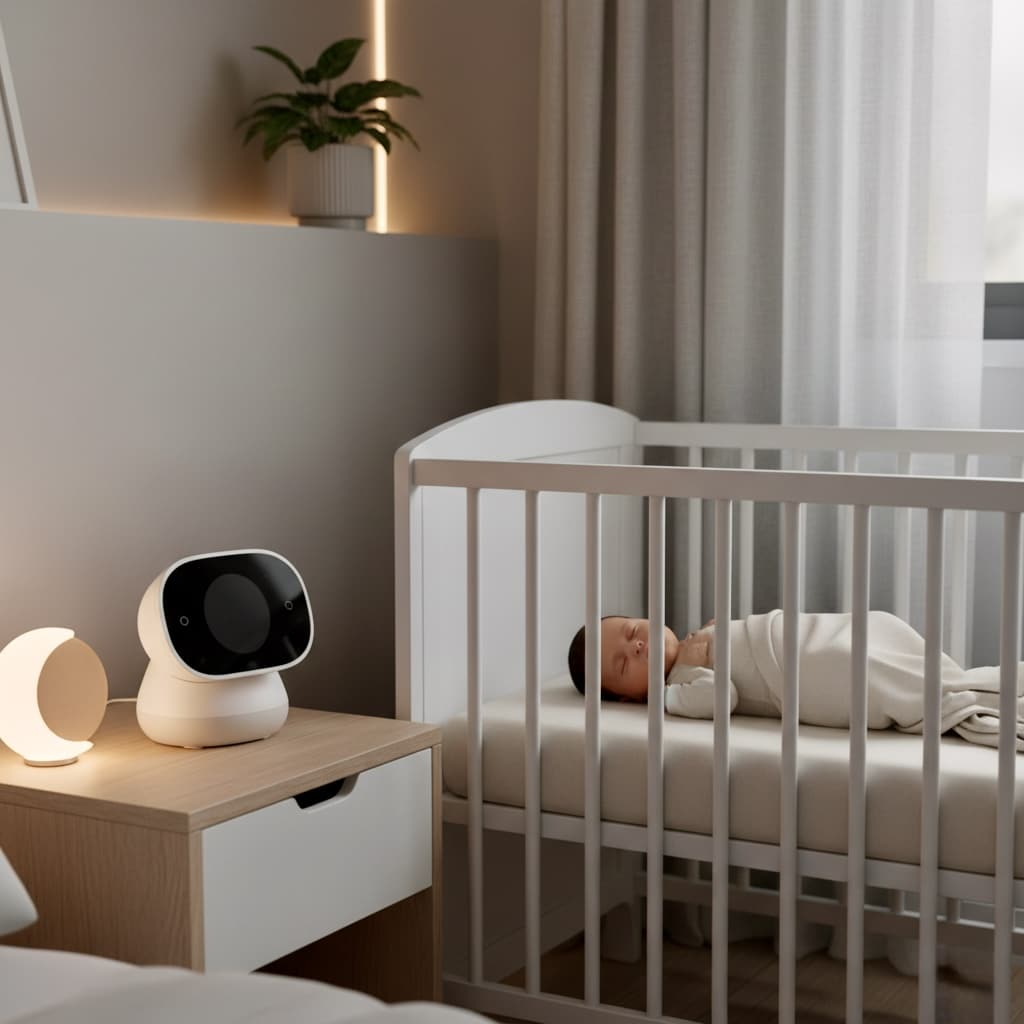
A reliable baby monitor is essential for every nursery. Look for devices with encrypted signals, long battery life, and wide camera angles. Features such as breathing sensors, temperature alerts, and two way audio provide extra confidence. If you want remote viewing, choose a monitor with a mobile app that ensures privacy. Infrared night vision gives a clear view without disturbing your baby’s sleep. Avoid monitors with complicated setups or poor privacy controls.
For more on related safety choices, read to this internal article: 7 Alarming Ways Pacifier Harm Baby Development Long-Term
For more guidance on choosing a baby monitor with security, clarity, and reliability, visit
Consumer Reports: Best Baby Monitors of 2025 and read their detailed reviews and safety ratings.
Baby Gear Guide 2025: Practical buying checklist for monitors
Buy a model that matches your daily routine, and test it in the nursery before relying on it. Check the camera angle, zoom, and pan functions, and confirm audio clarity at typical home distances. Read verified user reviews for reliability reports. If you plan to travel, choose a lightweight unit with international power compatibility. Add the monitor to your registry, and note an alternate monitor as a backup for sudden issues.
Understanding Different Monitor Technologies
The Baby Gear Guide 2025 recommends understanding monitor technologies before making your purchase decision. Audio only monitors provide basic sound monitoring with exceptional battery life and remain popular for budget conscious families. Video monitors add visual confirmation and peace of mind, especially during the early months when you want to see breathing patterns without entering the room.
WiFi enabled monitors connect to your smartphone and allow remote viewing from anywhere with internet access. These models typically include cloud storage, motion alerts, and the ability to share access with family members. However, they require stable internet connections and may present security vulnerabilities if not properly configured. Always enable WPA3 encryption, create strong unique passwords, and regularly update firmware.
Movement tracking monitors use sensor pads placed under the crib mattress to detect breathing and movement patterns. These devices alert parents if movement stops for a preset duration, typically 15 to 20 seconds. While these monitors provide additional reassurance, they can trigger false alarms from sensor positioning issues or when babies move to the edge of the crib.
Smart monitors integrate artificial intelligence to track sleep patterns, room conditions, and developmental milestones. These premium options often include subscription services for advanced analytics and personalized recommendations. This Baby Gear Guide 2025 suggests evaluating whether these features justify the higher cost based on your parenting style and needs.
Room Environment Monitoring Features
Temperature and humidity sensors help maintain optimal sleep conditions. The ideal nursery temperature ranges from 68°F to 72°F (20°C to 22°C), and humidity should stay between 40% and 60%. Monitors that track these metrics allow you to adjust room conditions before they affect your baby’s comfort.
Air quality sensors detect changes in carbon dioxide levels, volatile organic compounds, and particulate matter. These features are particularly valuable for babies with respiratory sensitivities or in areas with poor outdoor air quality. Some monitors integrate with smart air purifiers to automatically improve room conditions.
Light sensors measure room brightness and can trigger gentle nightlights when the baby stirs. This feature helps you navigate nighttime feedings without fully waking your baby. Look for monitors with customizable light sensitivity thresholds to match your nursery setup.
Installation and Placement Best Practices
Mount the camera 5 to 7 feet away from the crib at a 45 degree angle to capture the entire sleep surface without blind spots. Secure all cords at least 3 feet from the crib to prevent strangulation hazards. Test the viewing angle during daytime and nighttime conditions before finalizing placement.
Position the parent unit in your bedroom where you can hear alerts without keeping you constantly alert. Adjust volume settings to hear distress but not every small movement or sound. This balance helps you respond when needed while allowing restorative sleep.
For WiFi monitors, place the router within 30 feet of the nursery or use a WiFi extender to ensure strong signal strength. Weak connections cause video lag, dropped alerts, and frustrating disconnections during critical moments.
Sustainable Baby Gear Guide 2025 That Protects the Planet
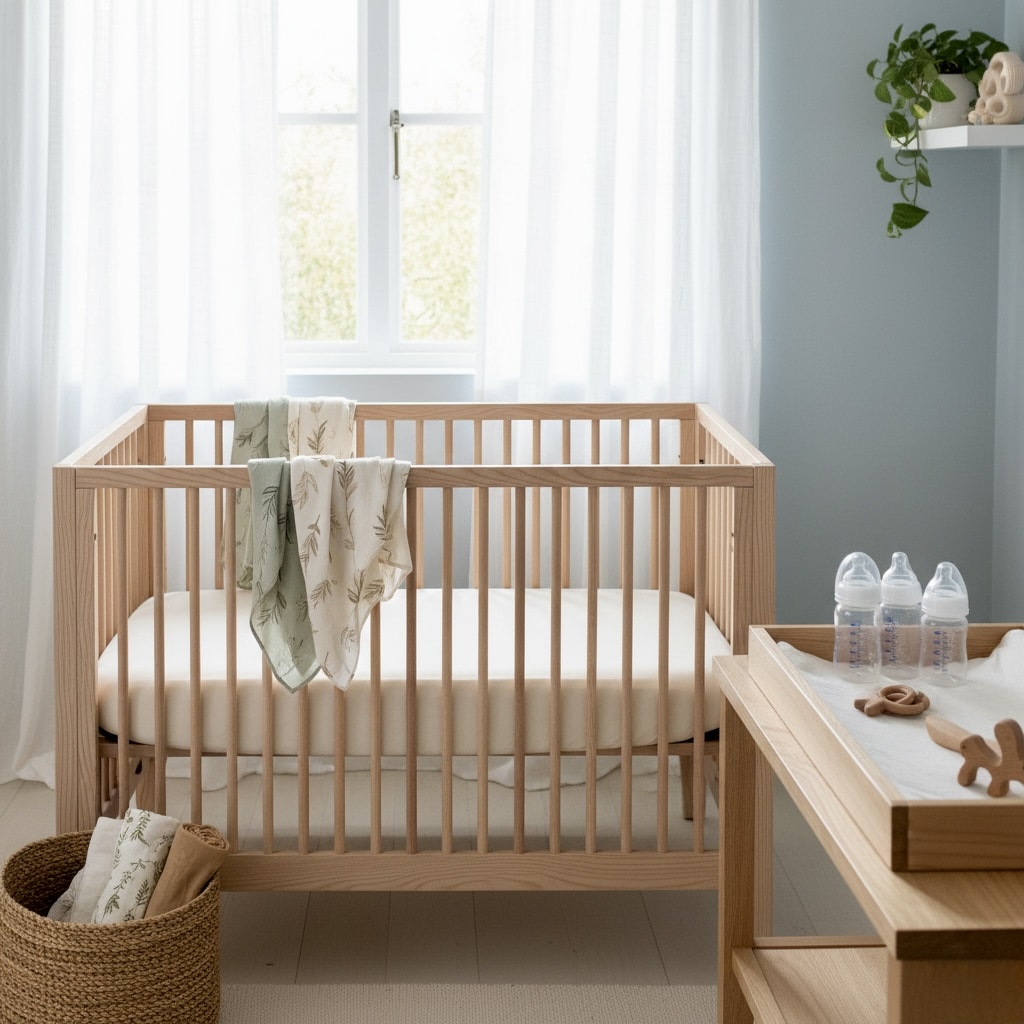
Sustainable baby gear reduces waste and protects your baby’s health. Choose textiles certified GOTS for organic fabrics and furniture certified GREENGUARD for low chemical emissions.
Reusable cloth diapers, bamboo swaddles, and glass bottles reduce environmental impact and save money. Buying second-hand gear from trusted sources is smart but inspect each item for current safety standards.
Balance cost and durability by prioritizing convertible cribs and adjustable strollers. For storage and organization advice, see Home Organization Tips.
Baby Gear Guide 2025: Where to save and where to invest
Invest in certified safety items, such as a car seat and a convertible crib. Save on clothing basics by choosing organic bundles and second hand pieces.
Long Term Value in Baby Gear Guide 2025 Purchases
This comprehensive Baby Gear Guide 2025 emphasizes long term value when selecting products for your baby. Convertible products offer the best return on investment by adapting as your child grows. A convertible crib transforms from a crib to a toddler bed, then to a daybed or full size bed with conversion kits. This single purchase can serve your child from birth through age 10 or beyond, eliminating the need for multiple bed purchases.
Adjustable high chairs with removable trays and height settings accommodate infants through preschoolers. Models with machine washable seat pads and dishwasher safe trays simplify cleaning and maintain hygiene over years of use. Check weight limits and stability ratings to ensure the chair remains safe as your child grows.
Modular strollers accept infant car seats, bassinet attachments, and toddler seats using the same frame. This flexibility allows you to configure the stroller for different stages and situations, from newborn naps to active toddler adventures. Premium models include suspension systems that improve with regular maintenance rather than degrading over time.
Building a Second Hand Strategy with Baby Gear Guide 2025
The Baby Gear Guide 2025 highlights the importance of smart second hand shopping. Buying certified pre owned gear from specialized retailers combines cost savings with safety assurance. These businesses inspect, clean, and certify that products meet current safety standards before resale. Many offer warranties comparable to new products at 40% to 60% of retail prices.
Community marketplaces and consignment sales provide access to gently used items, but require thorough evaluation before purchase. Check recall databases at CPSC.gov before buying any used product. Inspect structural integrity, test all mechanical functions, and verify that safety labels remain intact and legible.
Never compromise on car seats, breast pumps, or crib mattresses by buying used. Car seats may have hidden structural damage from accidents, breast pumps cannot be properly sterilized between users, and used mattresses may harbor allergens or fail to provide proper support. These items must be purchased new to ensure your baby’s safety and health.
Rental Options for Short Term Needs
Baby gear rental services provide access to premium equipment for travel, temporary situations, or trial periods before committing to purchases. Rent cribs, high chairs, and strollers when visiting family or taking extended trips. This strategy eliminates the need to transport bulky items or buy duplicates for multiple locations.
Consider renting specialized equipment like hospital grade breast pumps, bili lights, or medical monitors if your baby needs short term therapeutic support. Insurance may cover rental costs for medically necessary equipment, significantly reducing out of pocket expenses.
Read more: Baby Gear Guide 202510 Life-Changing Home Organization Tips That Transform Any Space
Baby nursery decor ideas that combine style and function
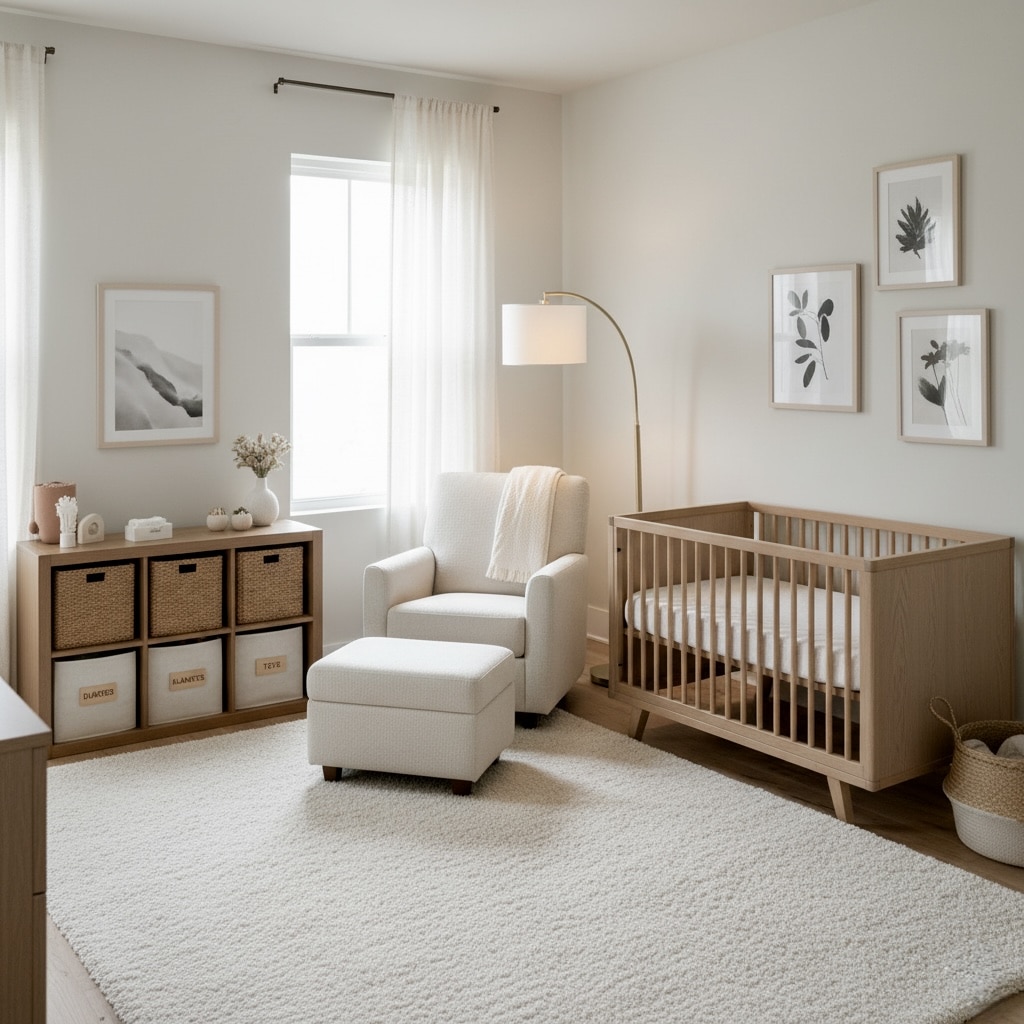
Design a nursery that feels calm, organized, and adaptable. Neutral colors and soft textures create a soothing atmosphere. Invest in furniture that converts as your baby grows, such as cribs that turn into toddler beds. Blackout curtains, a comfortable nursing chair, and strategic storage maintain routine efficiency. Open shelves, labeled bins, and multi-functional furniture enhance both style and practicality.
Place a small rug near the changing station for safe footing and quick clean up. Choose natural materials that meet safety standards and avoid decor items with small parts that can detach.
For newborn routines and hygiene ties to decor choices, link essential newborn care tips here: 7 Essential Newborn Baby Care Tips Every First-Time Parent Must Know
Styling on a budget: Baby Gear Guide 2025
You can achieve a modern nursery feel with a few strategic buys, such as a quality crib, a convertible dresser, and blackout curtains. Swap décor elements seasonally and keep art neutral so the room evolves with the child without costly updates.
Creating Functional Zones in the Nursery
Following the Baby Gear Guide 2025 recommendations, divide the nursery into distinct zones for sleeping, changing, feeding, and play to maximize efficiency and create a calming environment. The sleep zone centers on the crib with blackout curtains, a white noise machine, and minimal visual stimulation. This dedicated space helps your baby associate the area with rest rather than activity.
Position the changing station near the door for quick access and away from the sleep zone to minimize disruption during nighttime changes. Stock the changing table with diapers, wipes, barrier cream, and a change of clothes within arm’s reach. A small waste bin with a lid controls odors and keeps used items contained.
The feeding zone includes a comfortable nursing chair with proper lumbar support, a side table for water and snacks, and adequate lighting for nighttime feeds. A small pillow or nursing cushion supports proper positioning and reduces strain on your arms and back during extended feeding sessions.
As your baby grows, the play zone expands from a simple activity mat to include age appropriate toys, books, and sensory items. Rotate toys every few weeks to maintain interest without overwhelming the space. Open low shelving allows your child to independently access and return items, fostering early organizational skills.
Lighting Strategies for Different Activities: Baby Gear Guide 2025
Layer lighting sources to accommodate various tasks and times of day. Overhead lighting provides general illumination for cleaning and organization. Install dimmer switches to adjust brightness for different activities without multiple fixtures.
Task lighting near the changing table and nursing chair allows you to see clearly during nighttime care without flooding the room with harsh light. Adjustable arm lamps or clip on lights direct illumination exactly where needed. Choose warm color temperatures (2700K to 3000K) that won’t disrupt circadian rhythms.
Nightlights with red or amber LEDs preserve night vision while providing enough light to navigate safely. These wavelengths have minimal impact on melatonin production compared to blue or white light. Motion activated nightlights turn on only when you enter the room, conserving energy and reducing unnecessary light exposure.
Baby Gear Guide 2025: Storage Solutions That Grow With Your Child
This Baby Gear Guide 2025 recommends investing in storage systems that adapt to changing needs rather than furniture specific to infancy. Open cube organizers accommodate fabric bins for baby items initially, then transform into book shelves and toy storage as your child grows. This flexibility maximizes your initial investment over many years.
Label bins with pictures and words to help your child learn where items belong. This system promotes independence and makes cleanup routines less frustrating for everyone. Update labels as contents change to maintain organizational clarity.
Drawer dividers keep small items like socks, bibs, and accessories organized within larger dresser drawers. These inexpensive additions prevent chaos and make it easy to find what you need quickly. Adjustable dividers accommodate items of different sizes as your baby’s wardrobe expands.
Baby Skin Care Products You Can Trust
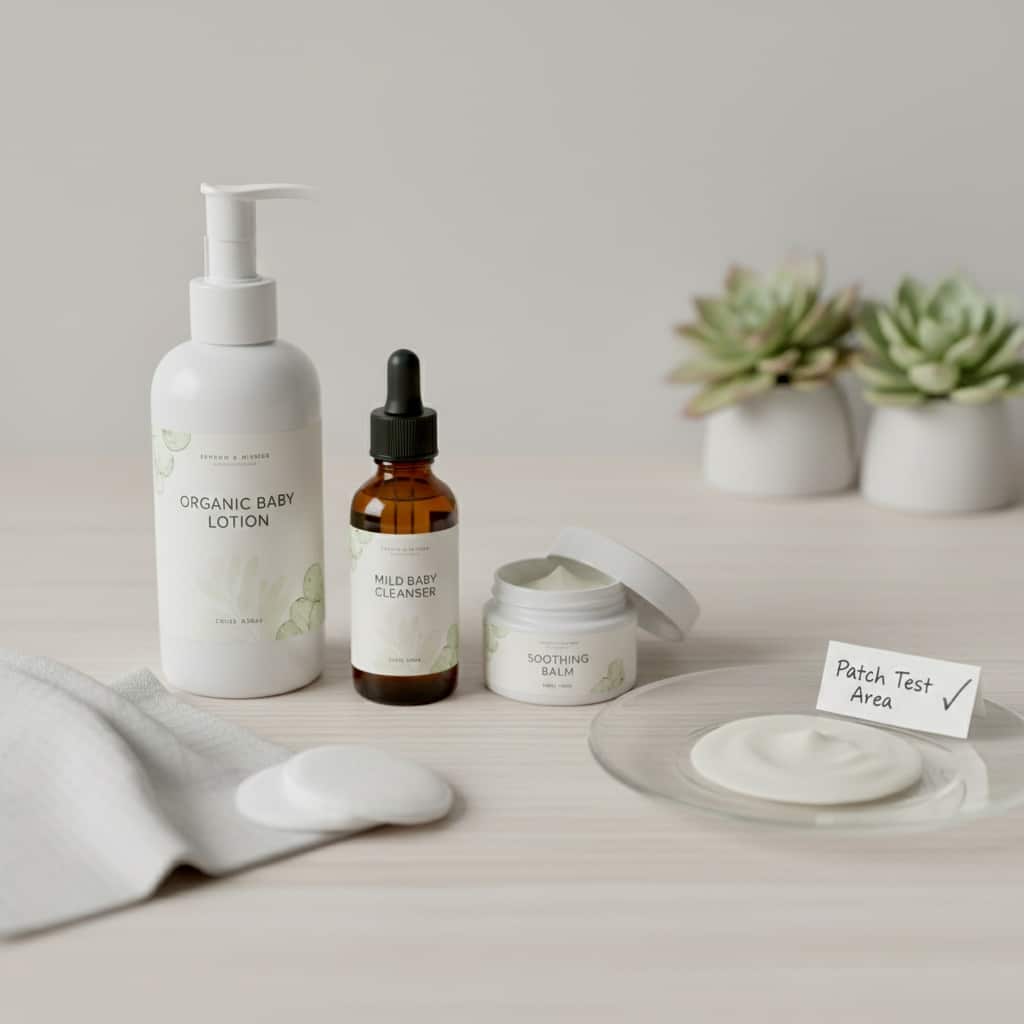
Baby skin is delicate and requires gentle care. Select fragrance-free lotions, creams, and cleansers with minimal ingredients. For sun protection, use a baby safe sunscreen approved for infants when age guidelines permit. Always perform a patch test before full use.
Choose baby skin care products with the shortest ingredient lists and without added fragrance. Look for hypoallergenic labels and dermatologist tested claims reduce the risk of irritation. Avoid products with parabens, phthalates, and sulfates. For everyday moisturizing, simple natural ingredients like organic coconut oil or shea butter provide natural moisture, work for many babies.
If your baby shows signs of eczema, document symptoms and consult your pediatrician. Routine tasks such as bathing daily may dry skin, so adjust frequency based on the baby’s needs and local climate.
For pediatric guidance on bathing and caring for delicate newborn skin, visit HealthyChildren.org: Bathing & Skin Care.
For dermatologist-recommended tips on baby skin, hair, and nail care, see
American Academy of Dermatology.
For evidence-based newborn skin care practices used in hospitals, see
Neonatal Skin Care Guidelines.
Creating a Cohesive Shopping Strategy Using your Baby Gear Guide 2025
Prioritize safety and practicality. Start with essential items such as a certified crib, a high-quality car seat, and a reliable monitor. Add storage solutions, nursing chairs, and eco-friendly gear. Build a registry to prevent duplicates, read verified reviews, and always check warranty details. This strategy reduces stress and ensures your baby’s comfort and security.
Read more: Baby Gear Guide 2025Looking for comprehensive guidance on caring for your baby? Our book ‘How to Care for Children: From Birth to Age 2’ combines professional nanny experience with evidence based child development research. Written by Kelly and Peter, this guide provides clear, reliable advice rooted in real world childcare. Available in English, Spanish, and Portuguese on Amazon.
Click the link below your preferred language to get your copy!




1: How do I choose the safest baby monitor?
Look for encrypted signals, night vision, long battery life, and reliable app integration. Prioritize monitors with two way audio, temperature sensors, and breathing detection features. Read verified reviews from trusted sources and avoid overly complex setups that may fail during critical moments. Always check for regular firmware updates from the manufacturer to address security vulnerabilities.
2: What are the most important sustainable baby products?
Reusable cloth diapers, bamboo swaddles, glass bottles, and GOTS certified organic textiles reduce environmental impact and support your baby’s health. Choose furniture with GREENGUARD certification to minimize exposure to harmful chemicals. Prioritize items made from renewable materials like bamboo, organic cotton, and sustainably harvested wood. Buy second hand certified products when possible to reduce waste and save money.
3: How can I decorate a nursery without overspending?
Use neutral colors that adapt as your child grows, invest in convertible furniture that transforms with changing needs, and organize with labeled storage bins. Choose multi functional pieces like dressers that also serve as changing tables. Swap seasonal décor elements like wall art and textiles rather than replacing major furniture. Shop clearance sales at the end of seasons for significant discounts on quality items.
4: Which baby skin care products are truly safe?
Choose fragrance free, hypoallergenic, and dermatologist tested creams and cleansers with minimal ingredient lists. Avoid products containing parabens, sulfates, phthalates, and artificial fragrances. Look for products with the National Eczema Association Seal of Acceptance if your baby has sensitive skin. Always perform patch tests on a small area before applying new products to your baby’s entire body.
5: How often should I replace baby gear items?
Car seats must be replaced after any accident or when they reach the expiration date printed on the label, typically 6 to 10 years after manufacture. Crib mattresses should be replaced if they show signs of sagging, torn covers, or mold. Replace bottles and nipples every 3 to 6 months or when you notice cracks, discoloration, or wear. Monitor straps, batteries, and electronic components should be inspected monthly and replaced immediately if damaged.
6: What certifications should I look for when buying baby products?
Look for JPMA (Juvenile Products Manufacturers Association) certification for nursery furniture and gear. GOTS (Global Organic Textile Standard) certification ensures organic textiles meet strict environmental and social criteria. GREENGUARD Gold certification indicates low chemical emissions from furniture and mattresses. The National Eczema Association Seal confirms skin care products are suitable for sensitive skin. These certifications provide independent verification of safety and quality standards.
7: How do I create a baby registry without buying unnecessary items?
Start with essential safety items like a certified car seat, crib, and monitor. Add practical daily use items such as bottles, diapers, and basic clothing before considering luxury items. Research each product thoroughly and read reviews from parents who have used the items for several months. Avoid trendy gadgets with single use purposes in favor of multi functional tools. Ask experienced parents which items they actually used versus which collected dust.
8: When should I transition from a bassinet to a crib?
Transition your baby to a crib when they reach the bassinet weight limit (typically 15 to 20 pounds), show signs of rolling over, or begin pushing up on hands and knees. Most babies transition between 3 to 6 months of age. Start the transition gradually by having your baby nap in the crib before moving overnight sleep. This approach helps your baby adjust to the larger sleep space without disrupting nighttime rest.
9: What temperature should I keep the nursery?
Maintain the nursery between 68°F and 72°F (20°C to 22°C) for optimal sleep and safety. Overheating increases SIDS risk, so dress your baby in light layers rather than raising room temperature. Use a reliable room thermometer to monitor conditions rather than relying on your comfort level. Adjust clothing and bedding seasonally while keeping room temperature consistent year round.
10: How can I tell if baby gear meets current safety standards?
Check for CPSC (Consumer Product Safety Commission) compliance labels on all products. Visit CPSC.gov to search the recall database before purchasing any item. Verify that the product includes clear assembly instructions, warning labels, and registration cards for recall notifications. Look for recent manufacture dates, as safety standards update regularly and older products may not meet current requirements.
Bom dia, estou adorando as dicas perfeitas sobre importantes aspectos dos cuidados com nossos pequenos. Muita variedade de produtos e alertas verdadeiros. Gostei muito do vídeo instruindo como manusear corretamente a abertura e uso do carrinho de bebê. Parabéns pela prestação de serviço!
Muito obrigada!
Aqui encontramos informações relevantes para quem deseja cuidar melhor de seu bebê.
Muito obrigada.